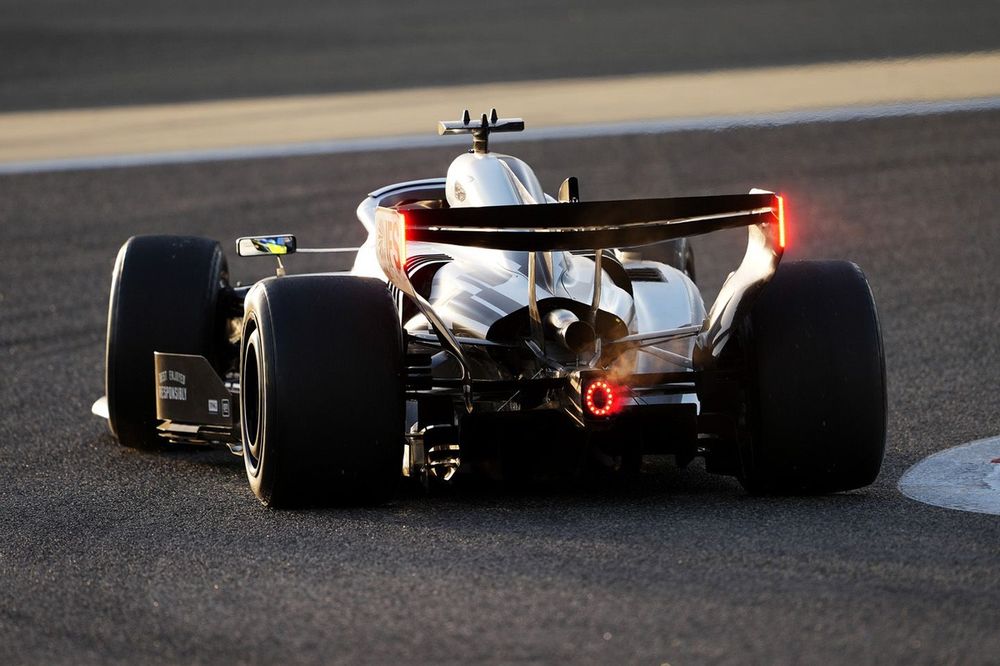
FIA open to 2026 rule tweaks amid driver criticism, sees 90% of work done
The FIA is receptive to refining 2026 F1 rules after drivers gave mixed reviews of the new cars, with a focus on software adjustments for energy management. While confident 90% of the work is done, officials stress the real test comes at the first races and caution against premature judgment.
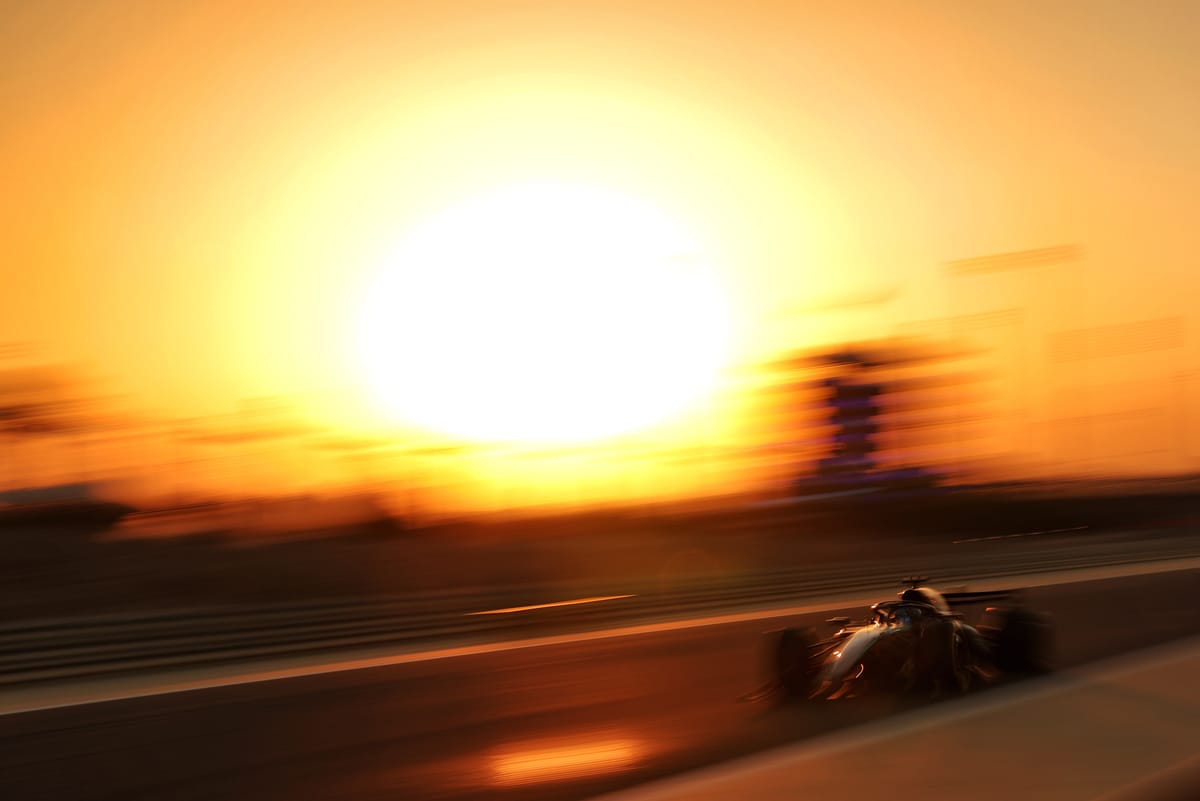
Following the first on-track tests of 2026-spec Formula 1 cars, the FIA acknowledges some driver concerns but believes the new regulations are largely on track, with its single-seater director stating 90% of the work is already satisfactory. While open to adjustments, particularly around energy management, the governing body urges calm and views the development process as a marathon, not a sprint, with the first races being the true test.
Why it matters:
The 2026 regulations represent a fundamental shift towards a 50/50 split between internal combustion and electrical power, a change known to present unique challenges. How the sport manages early feedback and potential tweaks will set the competitive and technical tone for the next five-year regulatory cycle, impacting everything from racing quality to manufacturer investment.
The details:
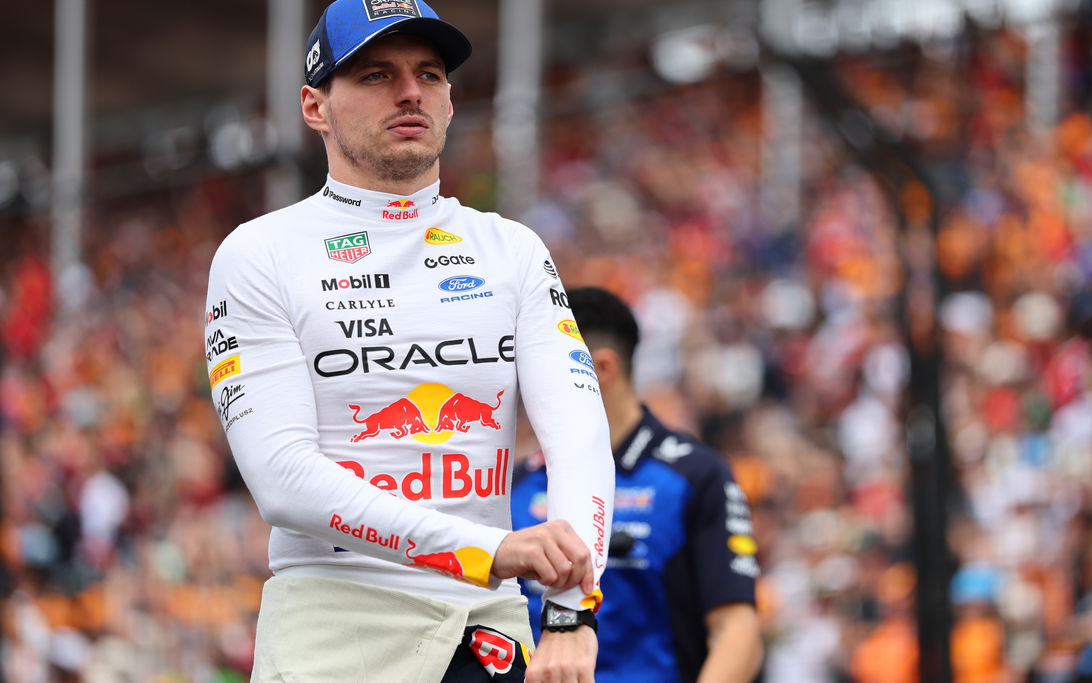
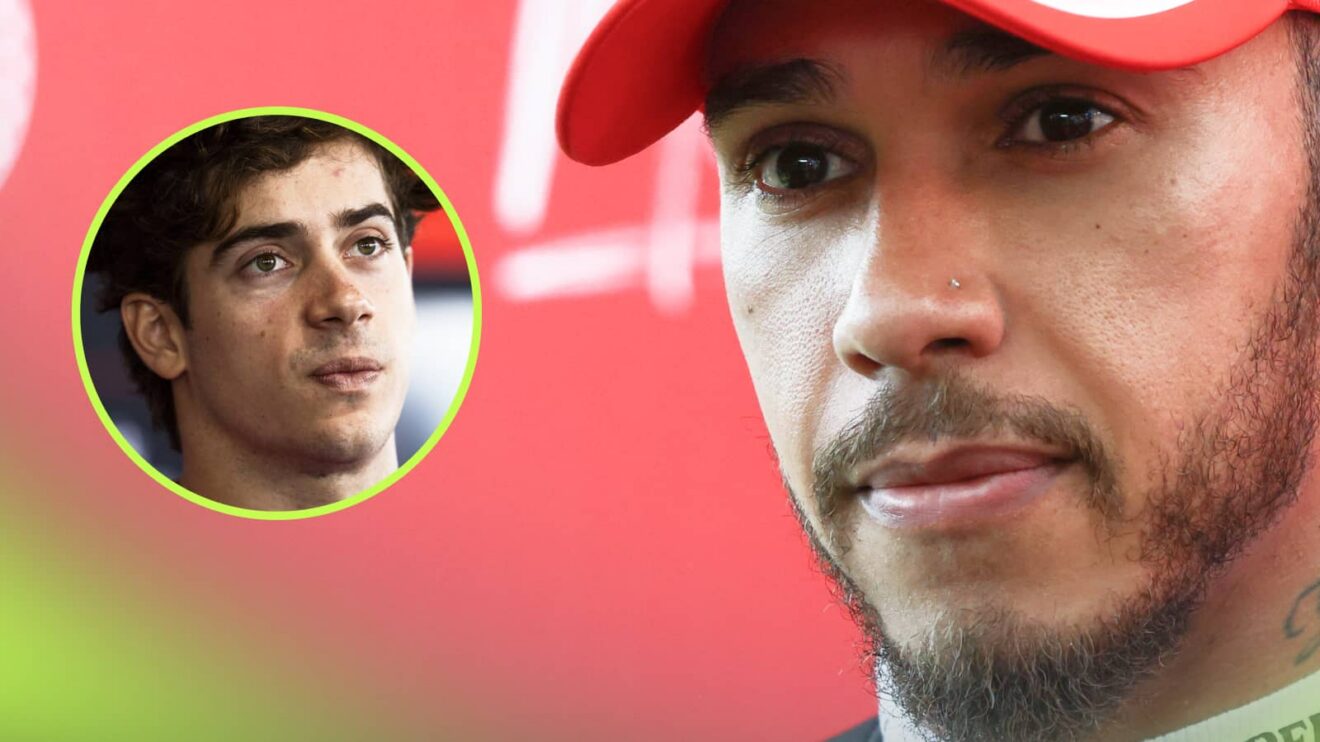
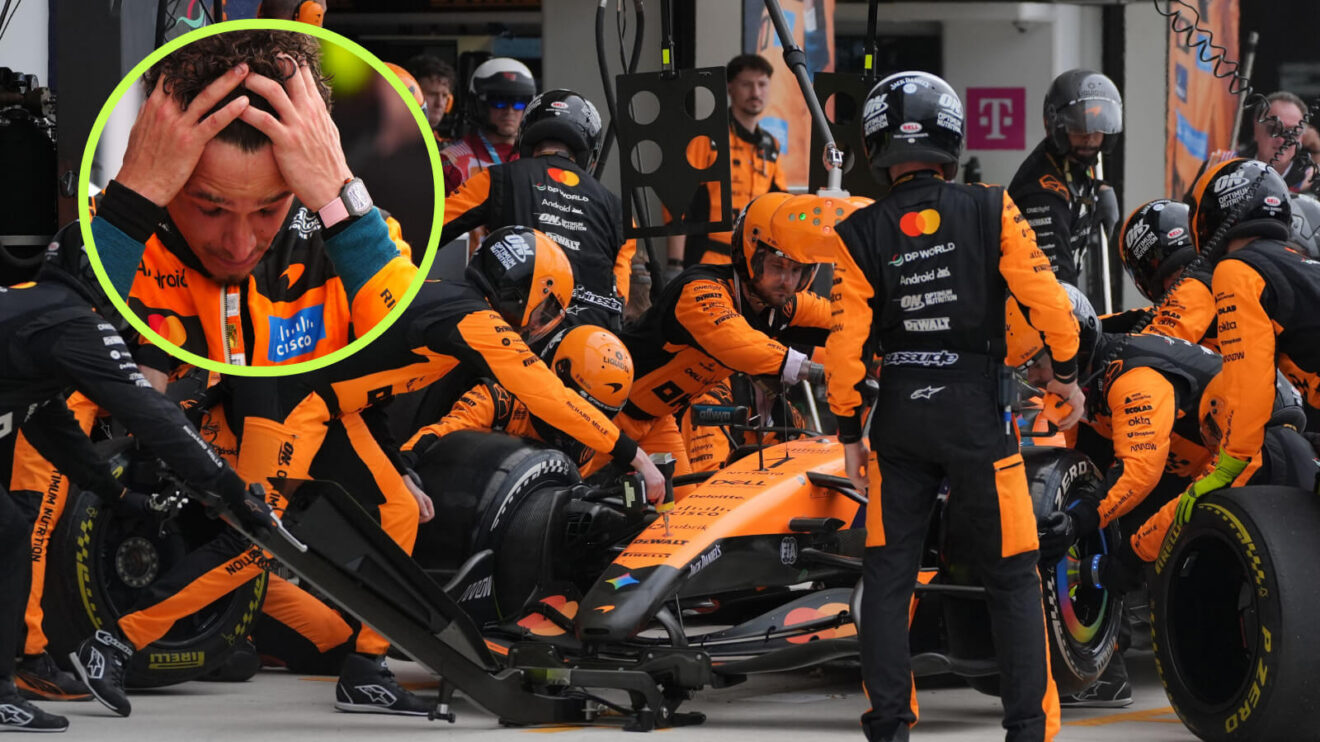
- Mixed Driver Reception: Initial reactions are split. Lando Norris and George Russell have been positive, while Max Verstappen, Fernando Alonso, and Lewis Hamilton have been more critical, with Verstappen notably describing a feeling of being "energy poor" on straights.
- FIA's Stance: Nikolas Tombazis, the FIA's Single-Seater Director, stated the body is "completely conscious that we may need to make adjustments" but emphasized that current feedback is far better than early simulator-based fears. He estimates the overall package is already 90% satisfactory.
- Potential Adjustments: The primary focus for potential tweaks is on the Energy Recovery System (ERS) software, specifically the rules governing energy harvesting and deployment. This could involve allowing drivers to recover more energy per lap, giving them more to deploy.
- Tombazis clarified such changes would relate to "how you run your system," not hardware, minimizing disruption for power unit manufacturers.
- Timeline for Changes: The FIA plans to wait for data from the first few actual races before proposing specific changes. Any adjustments would require discussion and a governance process, meaning changes are "not months and months" away but also unlikely to occur between back-to-back races early in the season.
What's next:
The FIA views the upcoming first races of the 2026 season as the critical litmus test, where cars will be racing in true competitive conditions. Tombazis urged against overreacting to the first race in Melbourne, framing the regulatory journey as a long-term effort with established tools for mid-cycle adjustments. The governing body's next steps will be guided by collective discussion with teams and drivers, aiming to balance competitive racing with the technical goals of the new power unit era.
Don't miss the next lap
Get the deep dives and technical analysis from the world of F1 delivered to your inbox twice a week.
Zero spam. Only high-octane analysis. Unsubscribe anytime.
Join the inner circle
Get the deep dives and technical analysis from the world of F1 delivered to your inbox twice a week.
Zero spam. Only high-octane analysis. Unsubscribe anytime.
Continue Reading
View More News