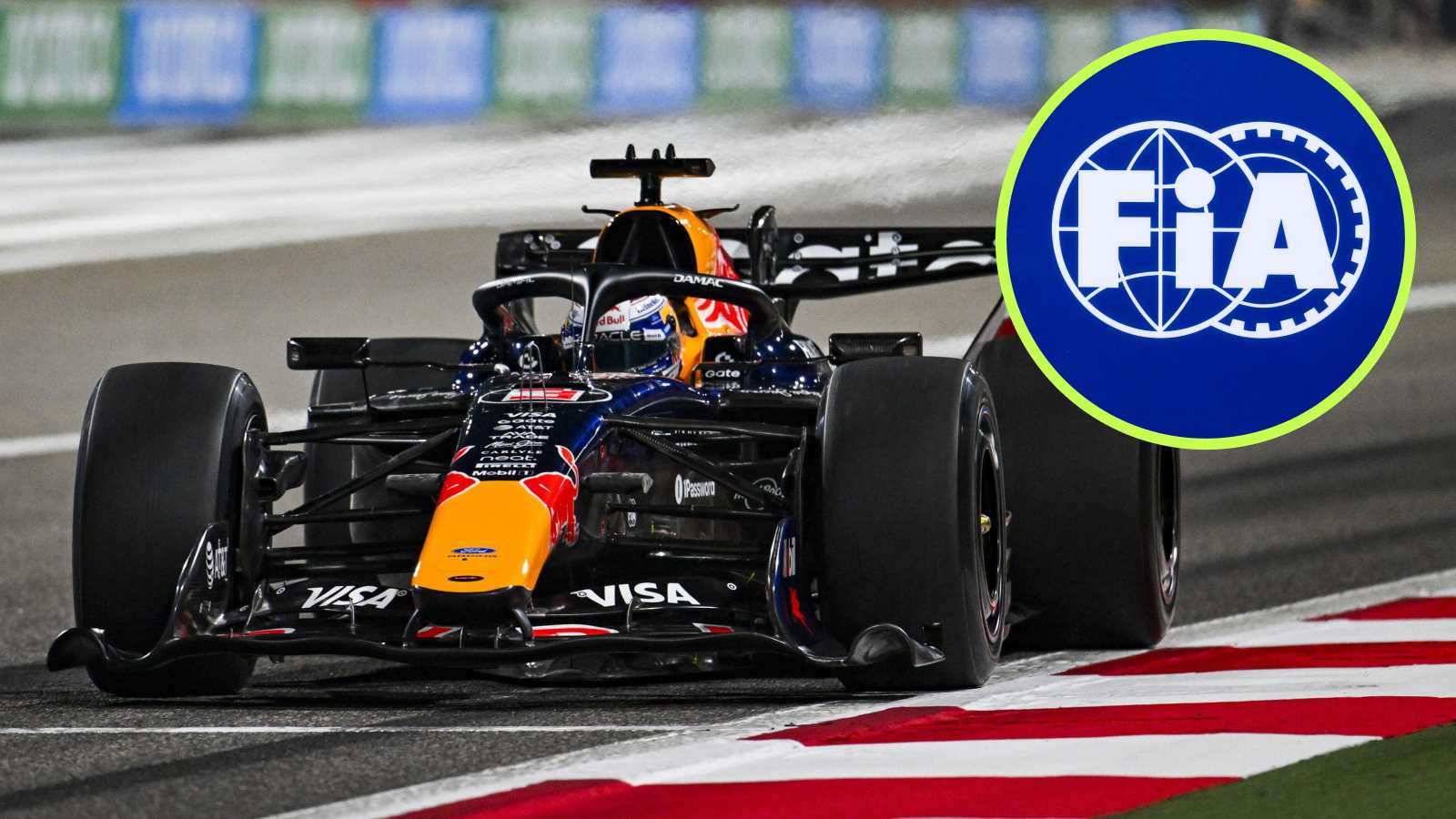
FIA open to tweaks on 2026 car energy deployment after driver feedback
FIA's Nikolas Tombazis says the governing body may adjust 2026 F1 car energy deployment rules following driver criticism, most notably from Max Verstappen. While defending the 50/50 power unit rules as vital for attracting manufacturers, he acknowledged ongoing feedback and stated the majority of regulatory work is complete, with only fine-tuning possible.
FIA single-seater director Nikolas Tombazis has acknowledged driver concerns about the 2026 Formula 1 cars, confirming the governing body is open to making small adjustments to how energy is deployed. The response comes after significant criticism from drivers, most notably Max Verstappen, who likened the new driving experience to "Formula E on steroids." Tombazis emphasized that while the sport must balance the interests of all stakeholders, including major manufacturers, driver feedback is being taken seriously as the final regulations are refined.
Why it matters:
The 2026 season represents the single biggest technical shift in F1's modern era, with power units moving to a near 50/50 split between internal combustion and electrical energy. How these complex cars drive and race is fundamental to the sport's future spectacle. Driver pushback, especially from a reigning world champion, puts pressure on the FIA to ensure the new generation of cars remains challenging and engaging, not just an exercise in energy management, to maintain F1's core appeal.
The details:
- Driver Criticism: Max Verstappen has been the most vocal critic, stating he would prefer to "get rid" of the heavy battery focus for a traditional "nice engine," allowing the electrified driving style to remain in Formula E.
- The Stakeholder Balance: Tombazis highlighted that F1 must cater to multiple parties. While drivers are "the stars," the 2026 regulations were specifically designed to attract major manufacturers like Audi and General Motors (Cadillac), who are committed to advanced electrification.
- Feedback Evolution: Concerns were at their peak during simulator runs last summer and autumn. However, Tombazis noted that feedback from actual on-track testing in Barcelona and Bahrain has been "much better," indicating teams and drivers are adapting.
- Specific Concerns: The main issues revolve around racing at high-speed, energy-hungry circuits like Jeddah, Melbourne, and Monza, where opportunities to recharge the battery under braking are limited, potentially affecting raceability.
- Scope of Changes: Any adjustments would focus narrowly on the energy deployment rules, not a fundamental redesign of the 50/50 power unit philosophy. Tombazis estimates 90% of the work to get the regulations to a "reasonable place" is already done.
What's next:
The FIA is in an ongoing dialogue with teams, power unit manufacturers, and drivers to fine-tune the final package. Tombazis confirmed that "some topics are still open" and minor adjustments are possible through the formal governance process. The goal is to finalize a set of rules that delivers exciting racing while fulfilling the technical roadmap that brought new manufacturers into the sport. The coming months will be crucial for finding that balance before the 2026 cars hit the track.
Don't miss the next lap
Get the deep dives and technical analysis from the world of F1 delivered to your inbox twice a week.
Zero spam. Only high-octane analysis. Unsubscribe anytime.
Join the inner circle
Get the deep dives and technical analysis from the world of F1 delivered to your inbox twice a week.
Zero spam. Only high-octane analysis. Unsubscribe anytime.