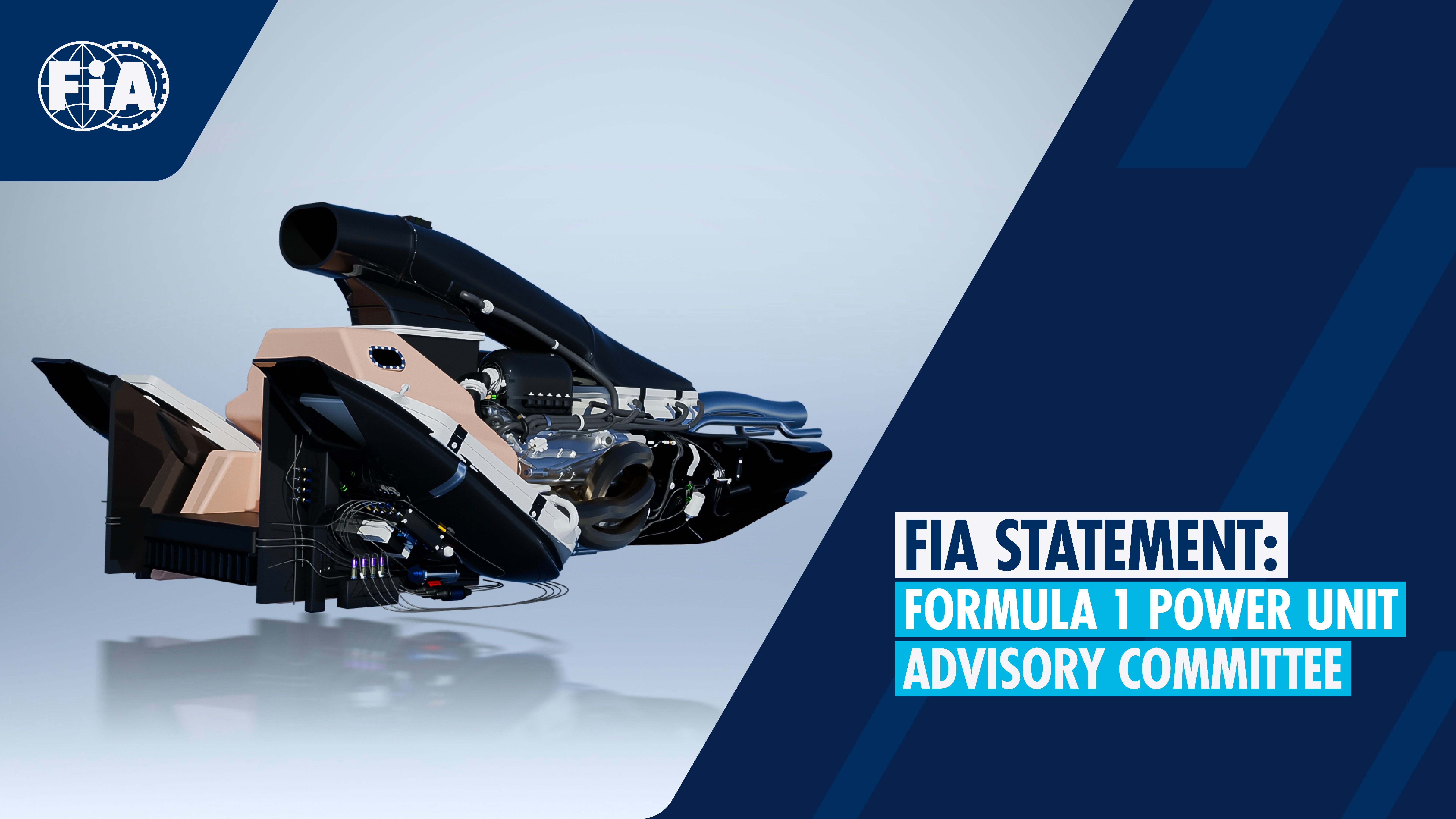
FIA Proposes Stricter Engine Compression Ratio Test for 2026
The FIA has tabled a proposal to tighten engine regulations, requiring F1 power units to prove they meet compression ratio limits under hot, running conditions (130°C) from 2026, not just in a lab. Manufacturers are now voting on the change, which aims to ensure fair competition and close a potential performance loophole.
The FIA has proposed a significant technical regulation change, requiring Formula 1 power unit manufacturers to demonstrate their engines comply with compression ratio limits not just in a lab, but under hot, running conditions from 2026. A vote among the manufacturers is now underway, with a decision expected within ten days.
Why it matters:
This move aims to close a potential regulatory loophole and ensure a level playing field. Engine compression ratio is a key performance differentiator, and verifying compliance at operating temperature (130°C) prevents teams from designing engines that pass static tests but operate outside the rules on track. It represents a tightening of the technical rulebook ahead of the major 2026 power unit overhaul, ensuring the new regulations start on a firm foundation of enforceable parity.
The details:
- The FIA and power unit manufacturers have jointly developed a new methodology to quantify how an engine's compression ratio changes from ambient (room) temperature to its actual operating condition.
- The proposal states that from August 1, 2026, compliance must be shown at both ambient conditions and at a representative operating temperature of 130°C.
- This change directly impacts how manufacturers design and validate their engines, as components expand and behave differently under extreme heat. It adds a layer of complexity to the homologation process.
- The current vote among the manufacturers (Audi, Ferrari, Honda, Mercedes, Red Bull Ford) is a standard part of the F1 rule-making process, where stakeholders are consulted before a change is enacted.
What's next:
The outcome of the e-vote among the power unit suppliers is expected within the next ten days. If approved, the proposal will then go to the FIA World Motor Sport Council for final ratification, which is typically a formality. This amendment is part of the ongoing refinement of the 2026 technical regulations, setting a clearer and more robust framework for the next generation of F1 power units.