FIA Seeks Solution to Controversial Compression Ratio Engine Trick
The FIA is working to resolve allegations that Mercedes and Red Bull are using heat-expanding metals to bypass compression ratio limits, potentially unlocking significant engine power advantages.
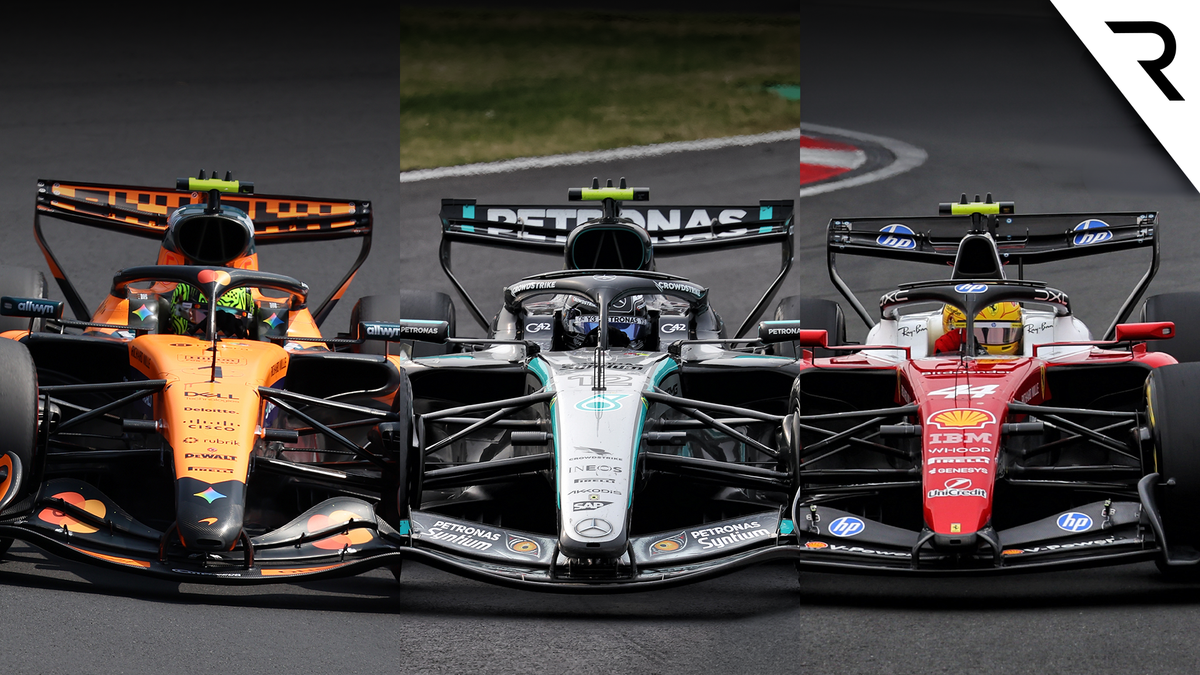
Allegations suggest Mercedes HPP and Red Bull Powertrains have developed a system using heat-expanding metals to effectively run an 18:1 compression ratio, exceeding the FIA's 16:1 limit. While FIA technical director Nikolas Tombazis remains optimistic about a resolution before the season opener, the issue has sparked concern among rivals like Audi, Ferrari, and Honda regarding potential regulatory loopholes.
Why it matters:
Gaining an advantage in thermal efficiency is the holy grail of F1 engineering. If successfully implemented, this method could provide a substantial power boost without violating the letter of the static regulations, potentially creating an uneven playing field and forcing competitors to scramble for countermeasures.
The details:
- The Mechanism: The alleged system utilizes metals that expand under heat when the car is on track. This allows the physical geometry of the engine to change dynamically, effectively increasing the compression ratio beyond the measured static limit.
- Power Gains: Higher compression ratios lead to greater thermal efficiency. By compressing the air-fuel mixture into a smaller space, teams generate higher temperatures and pressures, resulting in a more powerful explosion. Estimates suggest a single percentage point increase in compression ratio can yield a 3-4% power increase.
- The Risks: Pushing compression too high invites "knock"—uncontrolled detonations that can cause catastrophic engine damage. This makes high-octane fuel critical for managing temperatures and delaying the detonation point.
- 2026 Context: With the upcoming 50-50 split between internal combustion and battery power in 2026, fuel efficiency and sustainable fuel mixtures will become even more pivotal in managing these high pressures safely.
What's next:
The FIA is aiming for a definitive "black and white" solution to clarify the measurement and legality of such systems before the first race. Ensuring a fair technical baseline is crucial as the grid prepares for the massive regulatory overhaul in 2026.
Don't miss the next lap
Get the deep dives and technical analysis from the world of F1 delivered to your inbox twice a week.
Zero spam. Only high-octane analysis. Unsubscribe anytime.
Join the inner circle
Get the deep dives and technical analysis from the world of F1 delivered to your inbox twice a week.
Zero spam. Only high-octane analysis. Unsubscribe anytime.
Continue Reading
View More News