FIA to Review 2026 Rules After Bearman Crash Highlights Safety Concerns
Following Oliver Bearman's 50G crash in Japan, caused by a massive speed difference under the 2026 power unit rules, the FIA has confirmed an April review of the regulations. Drivers, led by the GPDA, are demanding urgent safety changes, warning that street circuits pose a severe risk under the current energy management system.
The FIA has announced a structured review of the 2026 Formula 1 power unit regulations following Oliver Bearman's high-speed crash in Japan, which drivers directly attribute to dangerous speed differentials created by the new energy management rules. The governing body confirmed that meetings are scheduled for April to analyze data and consider potential refinements, while drivers are demanding urgent changes before the next race.
Why it matters:
The crash has turned driver warnings into a stark reality, forcing a critical safety review of the sport's future technical direction. The 2026 regulations, designed to promote sustainability and closer racing, have inadvertently created a scenario where cars in different energy phases can have wildly different speeds on the same racing line, posing an unprecedented risk. With the calendar featuring many street circuits with unforgiving walls, the sport faces pressure to solve this issue before a more serious incident occurs.
The Details:
- The core issue stems from the 2026 power unit's energy management. Cars must harvest energy to recharge their batteries, which causes them to slow down significantly. When that energy is deployed for a performance boost, their speed increases dramatically.
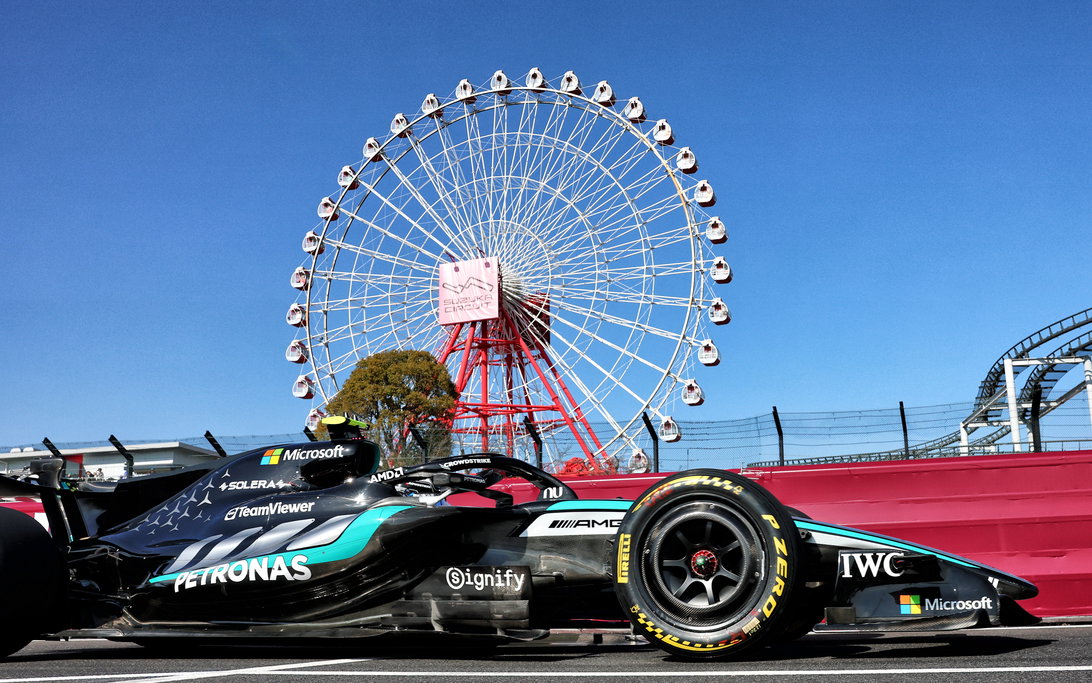
- The Suzuka Incident: Oliver Bearman's crash happened when he, in deployment mode, approached Franco Colapinto's car, which was in a harvesting phase on the racing line. The extreme closing speed caught Bearman out, leading to a 50G impact with the barriers after he took evasive action onto the grass.
- Driver Reaction: The Grand Prix Drivers' Association (GPDA), led by director Carlos Sainz, has been vocal. Sainz warned that similar incidents on street circuits like Baku or Singapore could have catastrophic results and called for changes by the Miami Grand Prix.
- FIA's Stance: In its statement, the FIA acknowledged the role of high closing speeds and emphasized that the 2026 rules were designed with adjustable parameters for this very reason. They plan a data-driven review but cautioned that speculation on specific changes is premature.
What's Next:
The scheduled April meetings between the FIA, teams, power unit manufacturers, drivers, and FOM will be the first formal step in evaluating the regulations. Any adjustments will require careful simulation and analysis, meaning immediate changes for Miami appear unlikely. However, the incident has galvanized the driver community, increasing the pressure on stakeholders to find a technical solution that maintains the regulatory goals without compromising safety. The coming weeks will test the sport's ability to collaboratively address a fundamental flaw in its next-generation vision.
Don't miss the next lap
Get the deep dives and technical analysis from the world of F1 delivered to your inbox twice a week.
Zero spam. Only high-octane analysis. Unsubscribe anytime.
Join the inner circle
Get the deep dives and technical analysis from the world of F1 delivered to your inbox twice a week.
Zero spam. Only high-octane analysis. Unsubscribe anytime.
Continue Reading
View More News