FIA trials extended start procedure for 2026 F1 cars after McLaren concerns
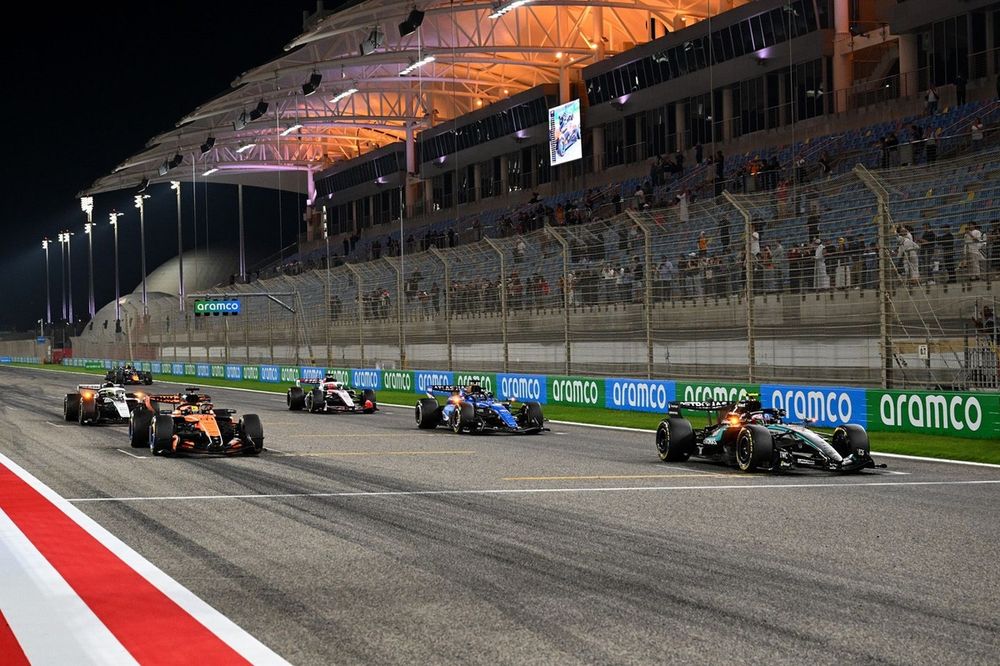
Following McLaren's warnings about the complex 2026 start process, the FIA has successfully trialed a longer grid procedure in Bahrain. The test added five seconds to allow drivers time to manually spool the new turbos, with a final decision pending before the season opener.
The FIA has begun testing a longer start procedure for Formula 1's 2026 cars following concerns raised by McLaren about the laborious process of manually spooling the new turbochargers. A trial during the Bahrain pre-season test added five seconds to the sequence, which teams reported as running smoothly, with a final decision expected before the Australian Grand Prix.
Why it matters:
The start procedure is a critical, high-pressure moment where any delay or complication can ruin a driver's race before the first corner. With the 2026 power units requiring drivers to manually hold engine revs for over 10 seconds to prepare the turbo, getting the timing right is essential to ensure fair and safe race starts, preventing cars from being left stranded on the grid.
The details:
- McLaren Team Principal Andrea Stella initially voiced concerns that the standard start procedure timing was too short for the new 2026 car specifications, risking drivers not being ready.
- In response, the FIA trialled a revised procedure at the Bahrain test, adding an extra five seconds between cars lining up on the grid and the initiation of the starting lights sequence.
- The trial was conducted at the end of Wednesday's running and was deemed a success, with the process appearing "pretty normal and pretty sensible" according to McLaren's Performance Technical Director Mark Temple.
- The governing body plans to continue experimenting with the extended procedure after each half-day of running on Thursday and Friday in Bahrain to gather more data.
- Feedback from drivers and teams will be collected from these trials to inform any final fine-tuning before the season begins.
What's next:
The FIA will use the remaining test days in Bahrain to refine the procedure before making a final decision on what start sequence to implement for the first race in Australia. While the initial trial alleviated immediate fears, further adjustments are possible based on continued driver and team feedback, aiming to establish a reliable and consistent process for the new era of cars.
Don't miss the next lap
Get the deep dives and technical analysis from the world of F1 delivered to your inbox twice a week.
Zero spam. Only high-octane analysis. Unsubscribe anytime.
Join the inner circle
Get the deep dives and technical analysis from the world of F1 delivered to your inbox twice a week.
Zero spam. Only high-octane analysis. Unsubscribe anytime.
Continue Reading
View More News