FIA tweaks qualifying energy rules after driver complaints
The FIA has reduced the maximum energy recovery limit for qualifying from 9.0 MJ to 8.0 MJ per lap after drivers complained the original rule forced them to prioritize battery management over outright speed. The change, implemented for the Japanese GP, aims to allow a return to more natural, flat-out driving in the grid-setting session.
The FIA has adjusted Formula 1's qualifying energy rules for the Japanese Grand Prix, reducing the maximum energy recovery limit from 9.0 MJ to 8.0 MJ per lap. The change comes after drivers voiced significant frustration, arguing the previous limit forced them to prioritize battery management over pure performance during their flying laps. This tweak aims to restore a more natural driving style in qualifying, allowing drivers to push their cars to the limit without excessive energy-harvesting constraints.
Why it matters:
Qualifying is the purest form of single-lap performance in F1, where driver skill and car capability should be the deciding factors. When drivers are forced to lift, coast, or use sub-optimal gear selections solely to meet an energy quota, it distorts the true competitive order and diminishes the spectacle. This rule adjustment is a direct response to competitor feedback, showing the FIA's willingness to refine technical regulations for the sake of better sporting competition.
The details:
- The Problem: Under the initial 2024 regulations, the 9.0 MJ energy recovery limit per qualifying lap was so demanding that drivers could not perform a flat-out lap. They had to harvest significant energy through methods like lift-and-coast, compromising their ultimate pace.
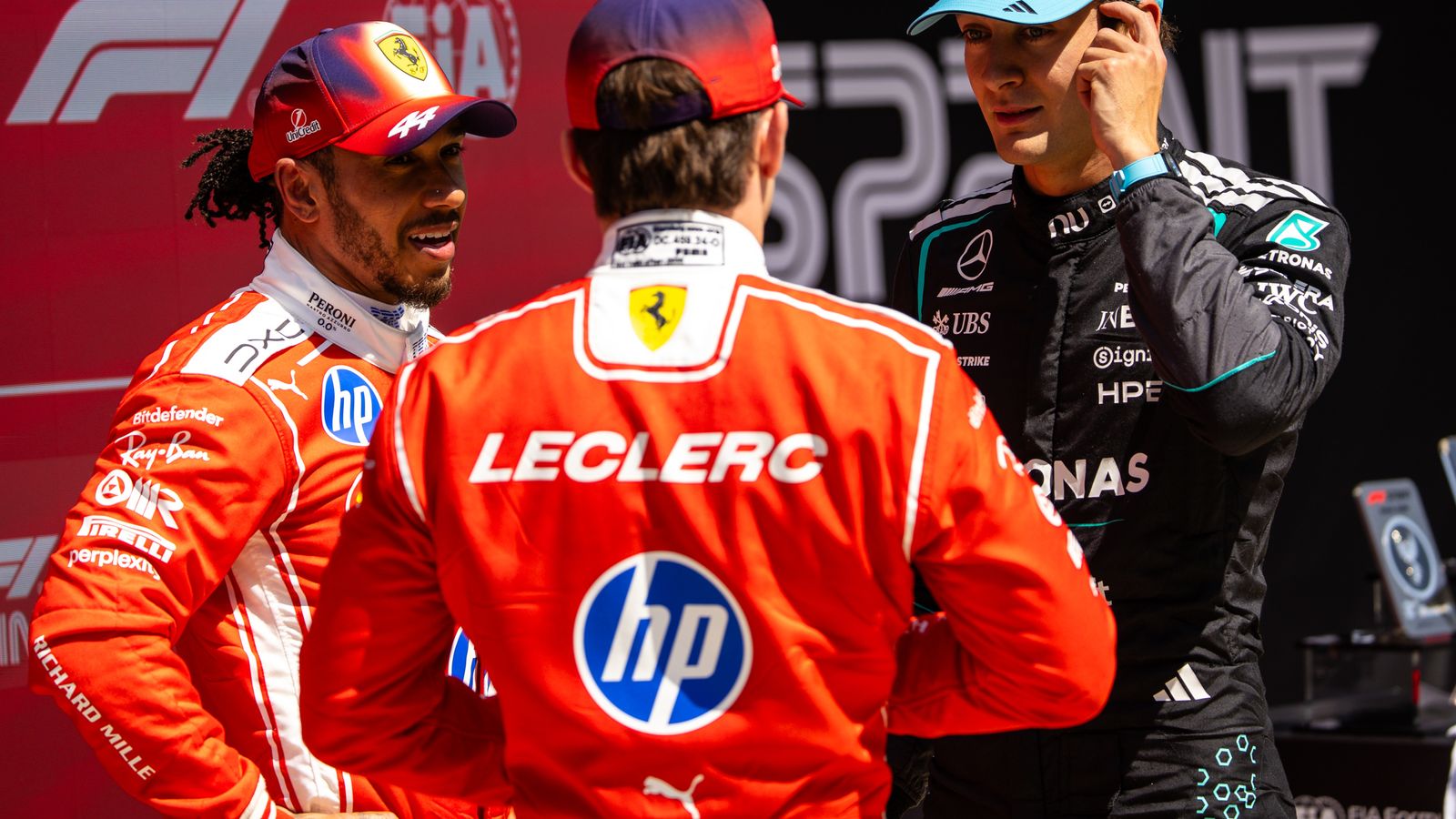
- Driver Reaction: Ferrari's Charles Leclerc encapsulated the issue in Melbourne, stating, "It’s no longer possible to push flat out in qualifying because you have to manage the energy... particularly disappointing for me because qualifying has always been where I can extract the most performance."
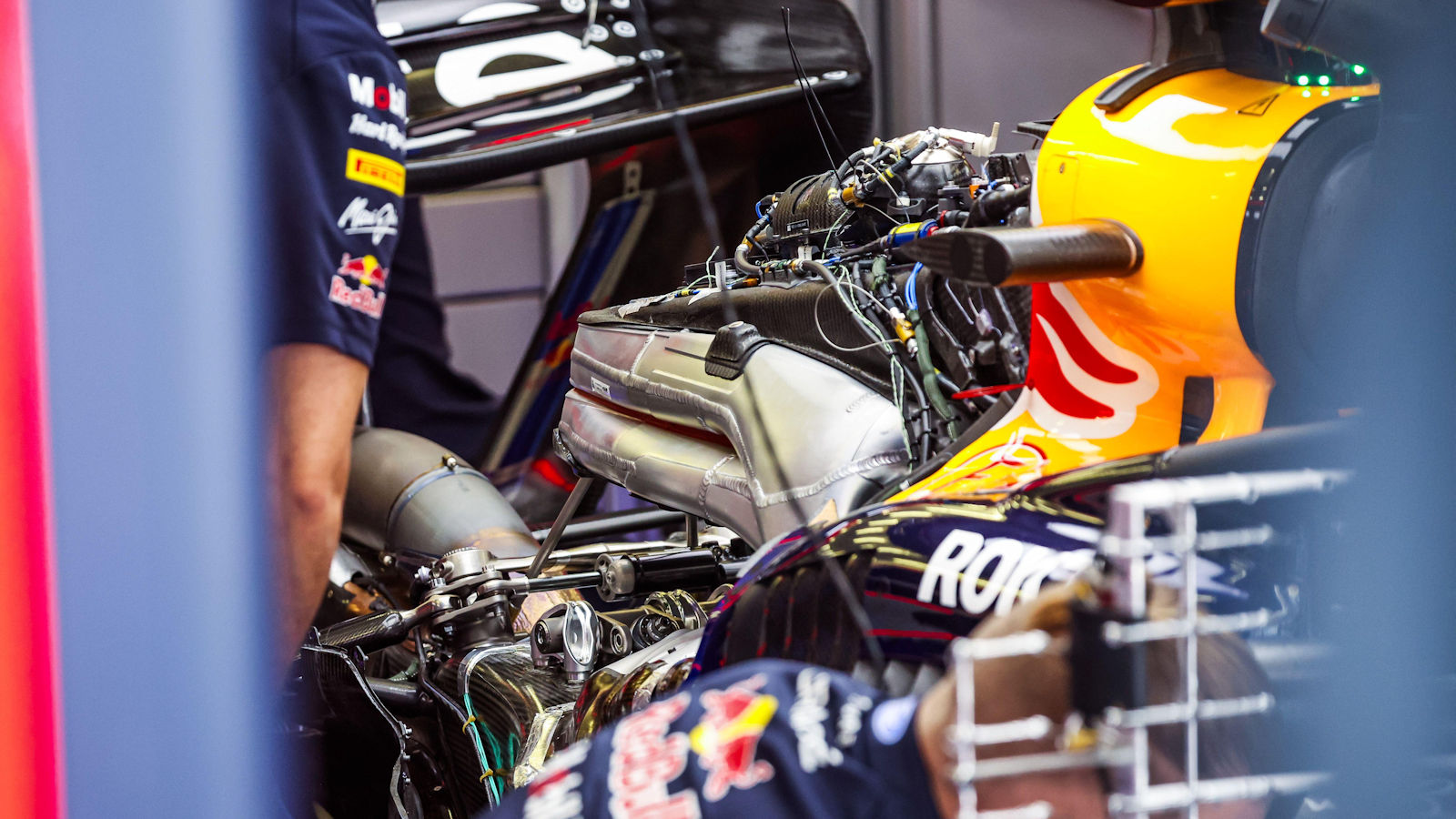
- The Solution: For the Suzuka weekend, the FIA reduced the maximum permitted energy recovery to 8.0 MJ per lap. While a change of just 1.0 MJ seems minor, it significantly reduces the energy-harvesting burden, allowing drivers to attack corners more aggressively and use optimal gear selections.
- The Goal: The stated intent is to enable "more natural driving," where the focus returns to extracting peak car performance rather than balancing a complex energy equation during the most critical session of the weekend.
What's next:
This qualifying-specific fix is a targeted first step, easier to implement for a single flying lap than for a full race distance. However, it highlights a broader, ongoing challenge for the FIA: refining energy management rules to ensure genuine competition.
- The larger, more complex issue of "fake overtakes" during races—where a driver completes a pass using an energy boost only to be immediately re-passed due to depleted reserves—remains unaddressed by this change.
- The FIA has acknowledged this process is "still very much in its infancy," indicating further adjustments to power unit energy rules can be expected as the governing body seeks a better balance between technical challenge and pure racing spectacle.
Don't miss the next lap
Get the deep dives and technical analysis from the world of F1 delivered to your inbox twice a week.
Zero spam. Only high-octane analysis. Unsubscribe anytime.
Join the inner circle
Get the deep dives and technical analysis from the world of F1 delivered to your inbox twice a week.
Zero spam. Only high-octane analysis. Unsubscribe anytime.