FIA tweaks qualifying energy rules for Japanese GP to reduce 'lift and coast'
For the Japanese GP, the FIA has cut the allowed energy recharge per qualifying lap to reduce 'lift and coast' maneuvers. Drivers welcome the change for making laps more natural but see it as a minor tweak, not a major fix, to the 2026 cars' complex energy management demands.
The FIA, with unanimous support from all five power unit manufacturers, has reduced the permitted energy recharge per lap in qualifying for the Japanese Grand Prix from 9.0 to 8.0 megajoules. The change aims to cut down on the amount of 'super clipping'—where cars recharge heavily at the end of straights, forcing drivers to lift off—allowing for more traditional, flat-out qualifying laps. While drivers welcome the adjustment for improving the single-lap experience, most downplay its impact as a minor tweak rather than a fundamental shift.
Why it matters:
Qualifying in the 2026 F1 era has been criticized for requiring excessive energy management over pure driving commitment. This rule tweak represents the first step in a broader effort to recalibrate the balance between strategic energy harvesting and driver skill on a hot lap. Improving the spectacle of Saturday is crucial for the sport's appeal, even if the on-track pecking order remains unchanged.
The details:
- The technical directive reduces the maximum energy a car can recover via the MGU-K per lap from 9MJ to 8MJ for the Suzuka qualifying sessions.
- This targets 'super clipping,' a practice where drivers lift off the throttle early on straights to aggressively recharge the battery, sacrificing lap time for energy.
- Drivers largely support the intent. Lewis Hamilton noted the previous requirement for "a tonne of lift and coast" on the simulator was "really, really not enjoyable" for a qualifying lap.
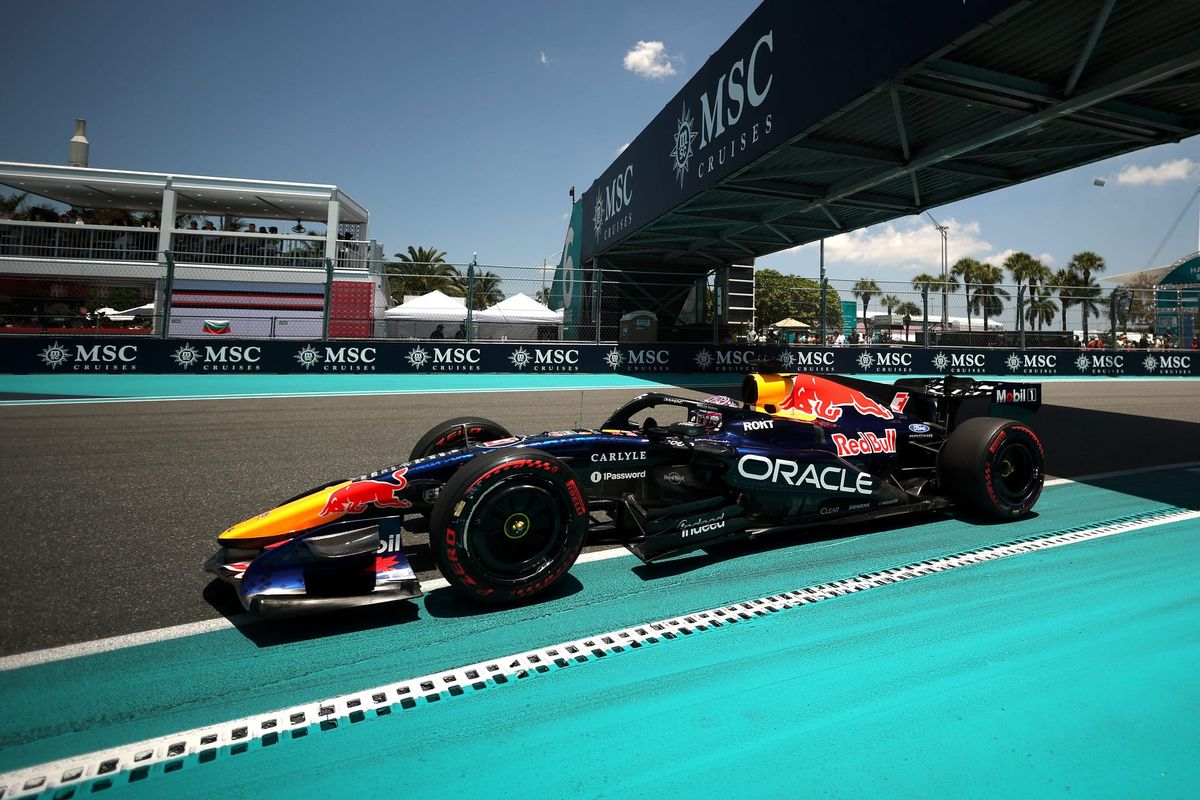
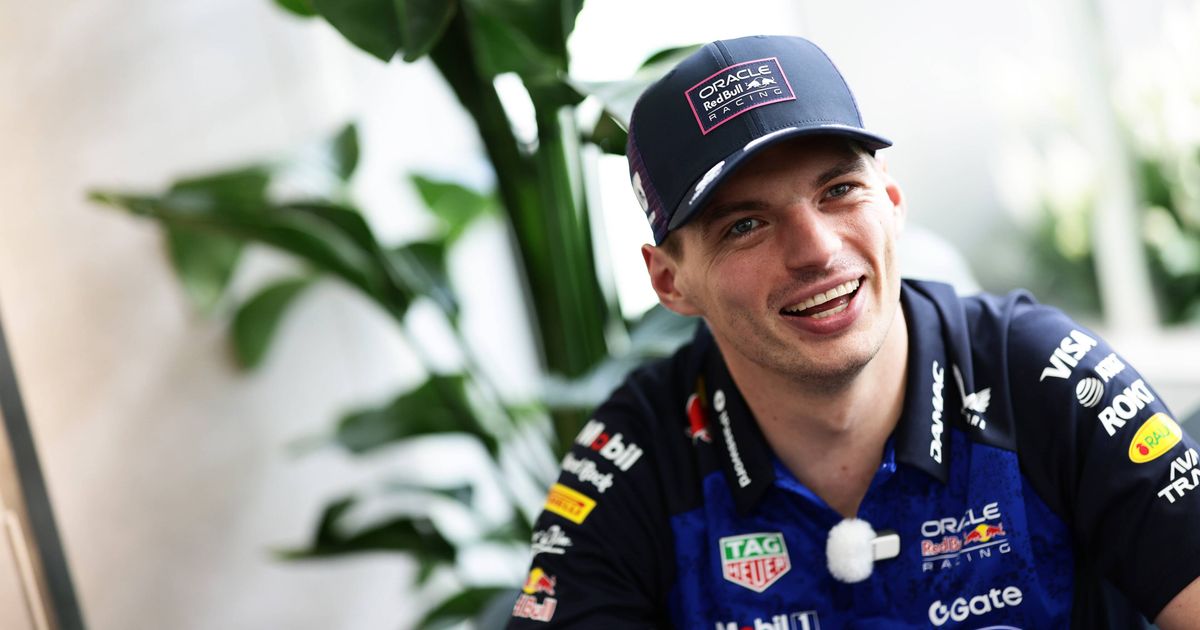
- The consensus is that it will make driving in qualifying more natural. Max Verstappen hopes it allows him to be "closer to flat out" at a circuit where he has taken pole for the last four years.
Between the lines:
While the change is a step in the right direction for purists, it highlights a deeper tension in the 2026 regulations. Drivers like Charles Leclerc and Oliver Bearman point out that the fix is imperfect; it simply trades one form of management for another. Bearman argued it makes the cars "even slower" overall, as drivers now have less total energy to deploy. The tweak addresses a symptom—the awkward lift-and-coast—but not the root cause of complex energy management dominating lap time. The FIA's statement that it "continues to embrace evolutions" suggests this is a live experiment, with more adjustments likely after further discussions during the upcoming break.
What's next:
The immediate test will be qualifying at the demanding Suzuka circuit, where the impact of reduced energy recharge will be most felt on the long, flowing layout. Don't expect a shake-up in the competitive order between Mercedes, Ferrari, and Red Bull, but watch for drivers' feedback on how it changes the feel of a qualifying push. This weekend's data will fuel the ongoing discussions between the FIA, teams, and power unit manufacturers, who are actively seeking a better balance for qualifying without compromising the race-day overtaking that the 2026 rules have enhanced.
Don't miss the next lap
Get the deep dives and technical analysis from the world of F1 delivered to your inbox twice a week.
Zero spam. Only high-octane analysis. Unsubscribe anytime.
Join the inner circle
Get the deep dives and technical analysis from the world of F1 delivered to your inbox twice a week.
Zero spam. Only high-octane analysis. Unsubscribe anytime.
Continue Reading
View More News