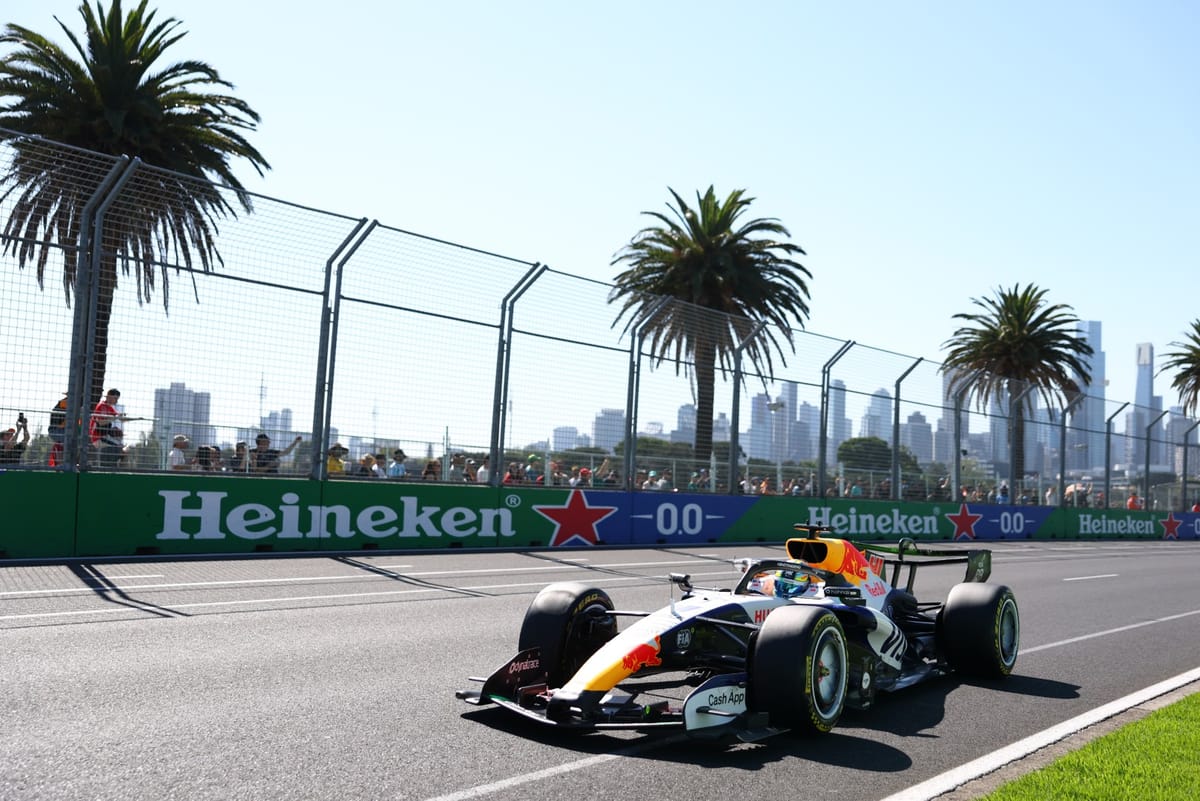
First 2026 F1 Practice in Australia Shows Mercedes Ahead, Qualifying Chaos Ahead
Mercedes posted the fastest long‑run pace in Melbourne’s first 2026 practice, but early‑session hiccups and new energy‑saving rules mean qualifying will be a chaotic scramble. Midfield surprises and battery woes at Aston Martin and Cadillac add extra intrigue ahead of Sunday’s race.
Mercedes looks the class of the field after a strong long‑run in FP2, but qualifying in Melbourne promises to be chaotic.
Why it matters:
- The pace gap seen in practice suggests Mercedes could dominate race‑day strategy, yet a single‑lap showdown may reshuffle the grid.
- Energy‑saving mandates of the 2026 power units are already forcing teams to re‑think corner speeds and tyre pressures, impacting both performance and safety.
The details:
- Mercedes – George Russell set the benchmark in FP2, running a lap time no other team could match. The squad admitted early‑session power‑unit configuration issues, but the long‑run data still puts them a step ahead of Red Bull, McLaren and Ferrari.
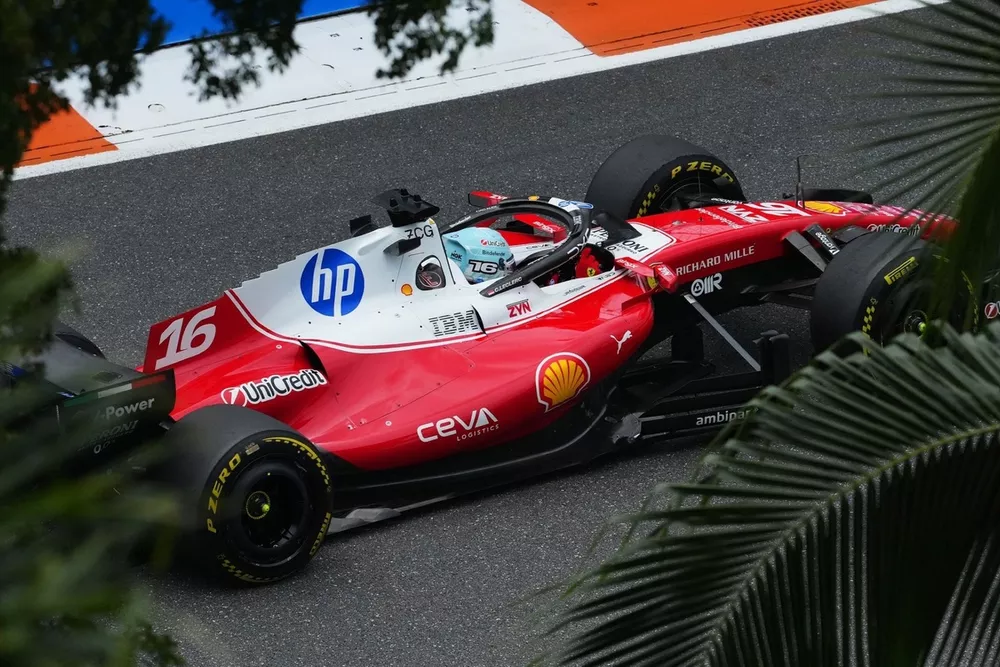
- Ferrari & McLaren – Both topped the shorter FP1 runs, but struggled to sustain pace over longer stints. Charles Leclerc acknowledged Mercedes’ advantage.
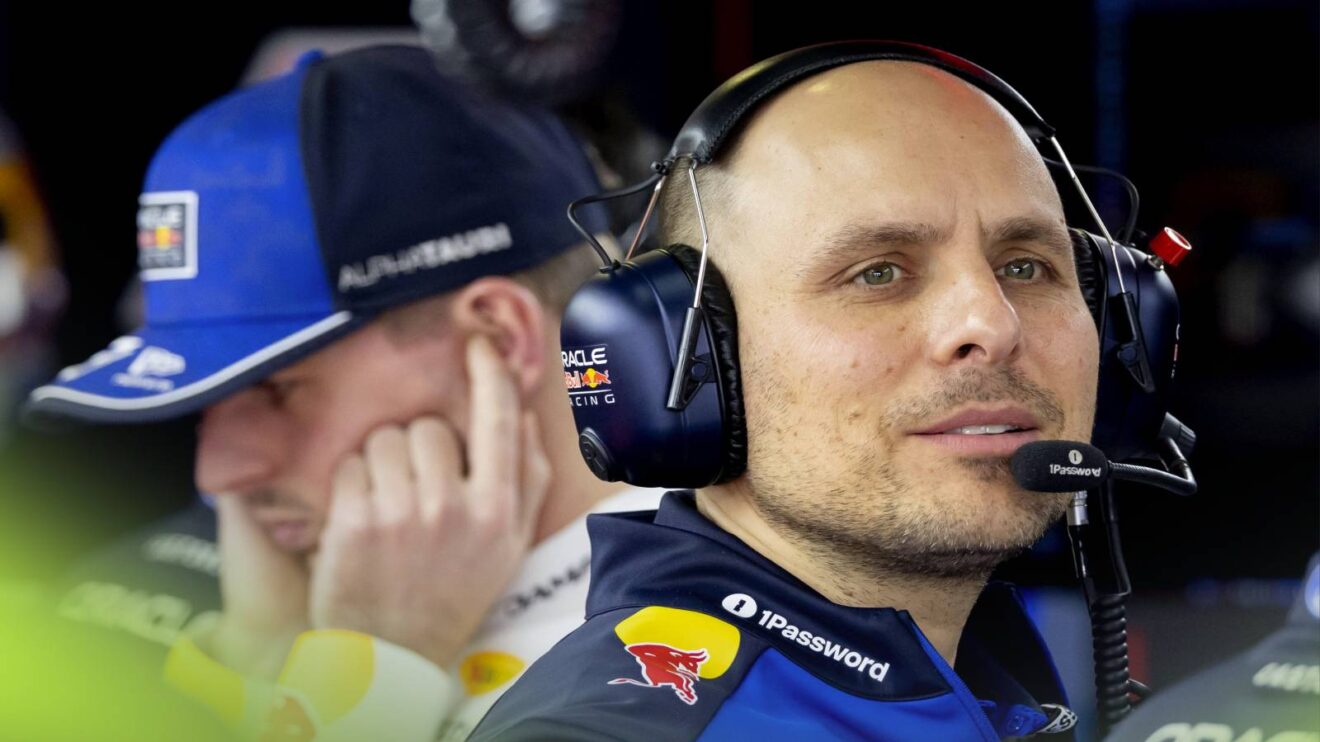
- Qualifying chaos – With Cadillac adding two extra cars to Q1, teams must nail battery charge levels, tyre windows, and energy deployment in a single hot lap. Red Bull’s Paul Monaghan warned, “It’s going to be a bit chaotic.”
- Lando Norris – A transmission‑control glitch limited him to seven laps in FP1, leaving him a second off teammate Oscar Piastri in FP2 and likely to start from the back rows.
- Midfield surprise – Red Bull rookie Arvid Lindblad out‑paced his teammate Liam Lawson and topped the midfield in both sessions despite a software glitch.
- Aston Martin woes – Two battery failures left the team with no spares on‑site; any further issue could end their weekend.
- Tyre pressure change – Pirelli raised minimum pressures (front 28.5 psi, rear 26 psi) pre‑emptively to mitigate loads when wings run in straight‑mode, a direct result of the new aero rules.
What’s next:
- Saturday’s qualifying will be the true test of how quickly teams can translate long‑run dominance into a single‑lap performance.
- If Mercedes converts its FP2 advantage, they could control the early race strategy, but any mis‑step in energy deployment could hand the lead to a well‑prepared Red Bull or McLaren.
- Teams battling battery reliability – notably Aston Martin and Cadillac – must resolve issues fast or risk missing the race entirely.
- Expect the new tyre‑pressure regime to influence grip levels across the board, especially in high‑speed corners like Turns 6 and 9‑10.
The weekend will reveal whether the 2026 power‑unit constraints tighten the competition or simply shift the battle from outright speed to clever energy management.
Don't miss the next lap
Get the deep dives and technical analysis from the world of F1 delivered to your inbox twice a week.
Zero spam. Only high-octane analysis. Unsubscribe anytime.
Join the inner circle
Get the deep dives and technical analysis from the world of F1 delivered to your inbox twice a week.
Zero spam. Only high-octane analysis. Unsubscribe anytime.
Continue Reading
View More News