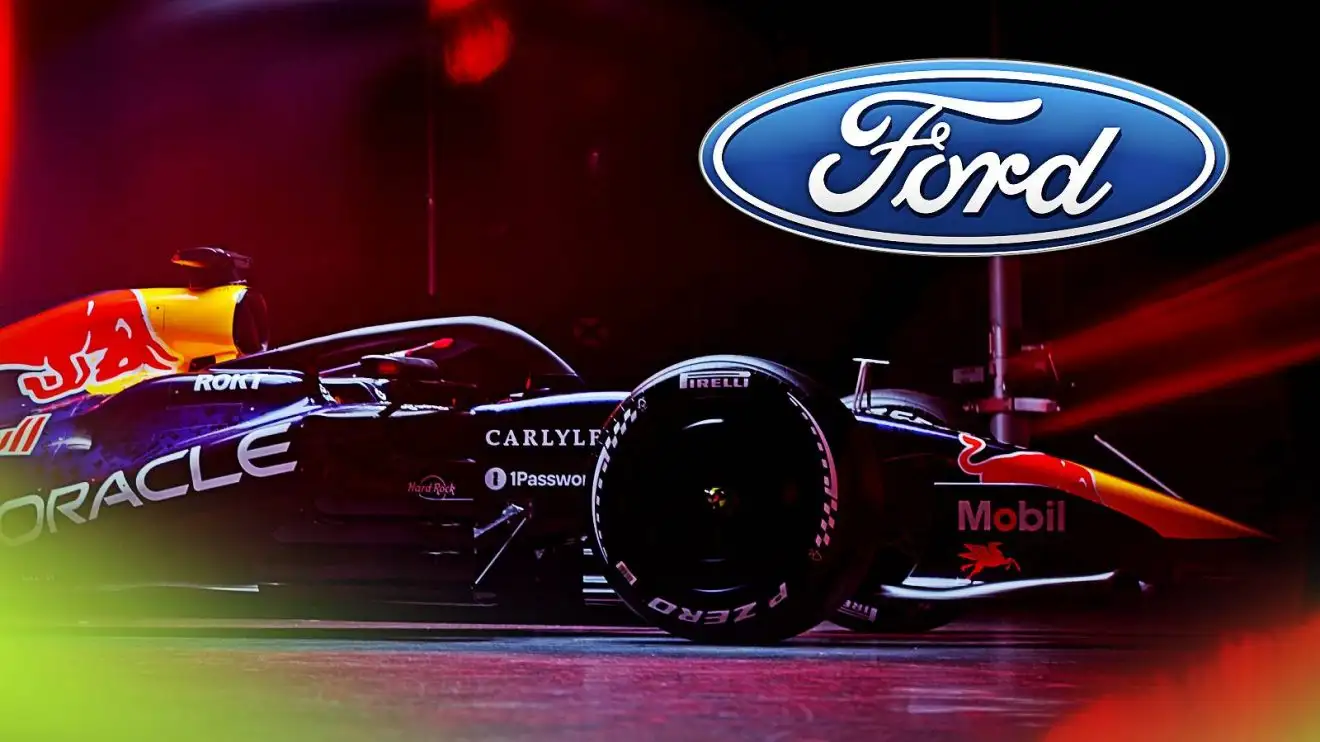
Ford's Role in Red Bull's 2026 Power Unit Push
Red Bull leverages Ford’s manufacturing for its 2026 engine, but Mekies warns it would be 'foolish' to expect immediate dominance over established rivals like Mercedes.
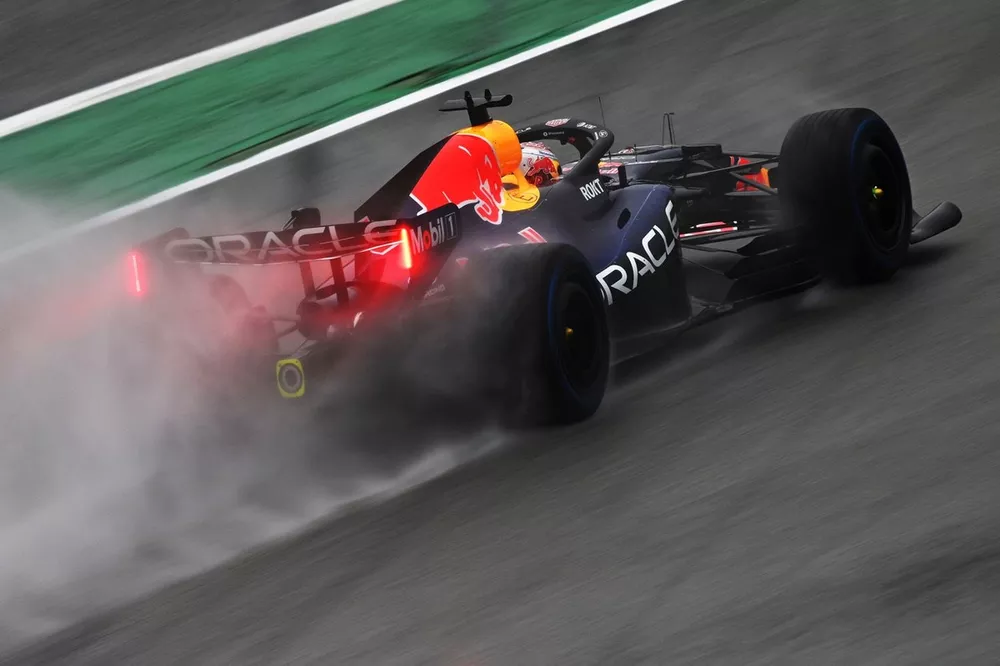
Red Bull Powertrains is leveraging Ford’s advanced manufacturing capabilities to fast-track the development of its 2026 power unit, set for homologation on March 1st. However, team principal Laurent Mekies warns that expecting immediate competitiveness against established giants like Mercedes and Ferrari would be "foolish and naive" given the project's youth.
Why it matters:
This partnership marks Ford’s return to F1 for the first time since 2004 and Red Bull’s transition to a fully autonomous constructor. The collaboration provides Red Bull with industrial might while giving Ford access to cutting-edge EV and hybrid technology relevant to its future road cars, specifically in software and battery management.
The Details:
- Manufacturing Edge: Ford’s CEO Jim Farley highlighted that Ford provides unique advanced manufacturing capabilities. This allows Red Bull to produce critical engine components faster and with higher quality than traditional methods, a crucial "time-to-race" advantage.
- Tech Transfer: The relationship is mutually beneficial. Ford gains expertise in aerodynamics, predictive failure components, and hybrid software control from Red Bull’s top-tier F1 operations.
- Strategic Fit: Technical director Ben Hodgkinson noted that Ford’s involvement filled critical personnel gaps and provided technologies like Direct Metal Laser Sintering (DMLS) to replace traditional castings.
Looking Ahead:
Despite the resources, Mekies emphasizes the scale of the challenge. Building a competitive power unit from scratch in Milton Keynes is a massive undertaking. While the team has the right spirit and partners, he expects a steep learning curve in the early months of the 2026 season before they can challenge for the top.
Don't miss the next lap
Get the deep dives and technical analysis from the world of F1 delivered to your inbox twice a week.
Zero spam. Only high-octane analysis. Unsubscribe anytime.
Join the inner circle
Get the deep dives and technical analysis from the world of F1 delivered to your inbox twice a week.
Zero spam. Only high-octane analysis. Unsubscribe anytime.
Continue Reading
View More News