Former F1 Driver Slams 'Extremely Badly Designed' Hybrid Rules
Ex-F1 driver Lucas di Grassi delivers a harsh verdict on F1's current hybrid regulations, labeling them "extremely badly designed" by the FIA and claiming they produce slow, unraceable cars. He suggests Formula E cars could eventually become faster, potentially blurring the lines between the top tiers of single-seater racing.
Former Formula 1 driver Lucas di Grassi has launched a scathing critique of the current generation of F1 cars, calling the hybrid regulations "extremely badly designed" and blaming the FIA for creating slow and inefficient cars that drivers are complaining about. The 2010 F1 veteran suggests the flawed rules could even allow Formula E cars to surpass F1 in performance, potentially reshaping the motorsport landscape.
Why it matters:
Di Grassi's criticism from a driver who has competed in both F1 and Formula E highlights fundamental issues with F1's current technical direction. His comments echo widespread driver complaints about the current cars' characteristics and raise questions about whether F1's regulatory framework is achieving its intended goals of creating exciting, raceable machinery.
The details:
- Di Grassi, who drove for Virgin Racing in 2010 and is now a Formula E world champion, placed direct blame on the FIA and its rule-makers for the current car problems.
- He stated he doesn't understand the "logic" behind what he calls "very weird rules" that make the cars "very slow and sometimes not very efficient or not very raceable."
- The Brazilian driver referenced Max Verstappen's previous criticism that the new F1 cars feel like "Formula E on steroids," suggesting the comparison is apt.
- Di Grassi posited a scenario where continued development could make Formula E cars faster than their F1 counterparts, which would challenge the perceived performance hierarchy between the two championships.
The big picture:
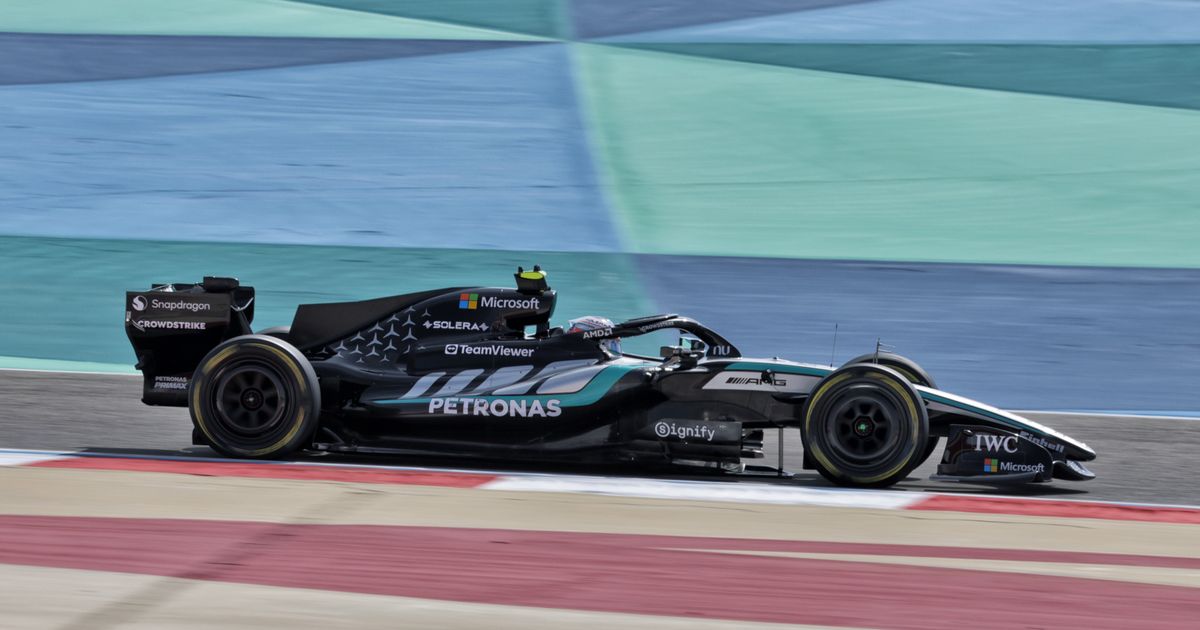
This critique arrives as F1 prepares for its final pre-season test in Bahrain, with teams fine-tuning the very cars di Grassi criticizes. His comments tap into an ongoing debate about the balance between technological innovation, sustainability, and pure racing performance in modern F1. The sport's current hybrid era, which began in 2014, has consistently faced feedback about car weight, size, and drivability, particularly when following other cars closely.
What's next:
The immediate focus shifts to the Bahrain test from February 18-20, where teams will gather crucial data on their 2026 cars. The long-term question di Grassi raises is whether the natural development curve of the lighter, more agile Formula E cars could eventually challenge F1's performance supremacy. While a direct crossover series seems unlikely, his comments underscore the competitive and technical pressure on F1's rule-makers to ensure the pinnacle of motorsport remains just that.