Formula E CEO Invites Verstappen to Jeddah After 'Formula E on Steroids' Jab
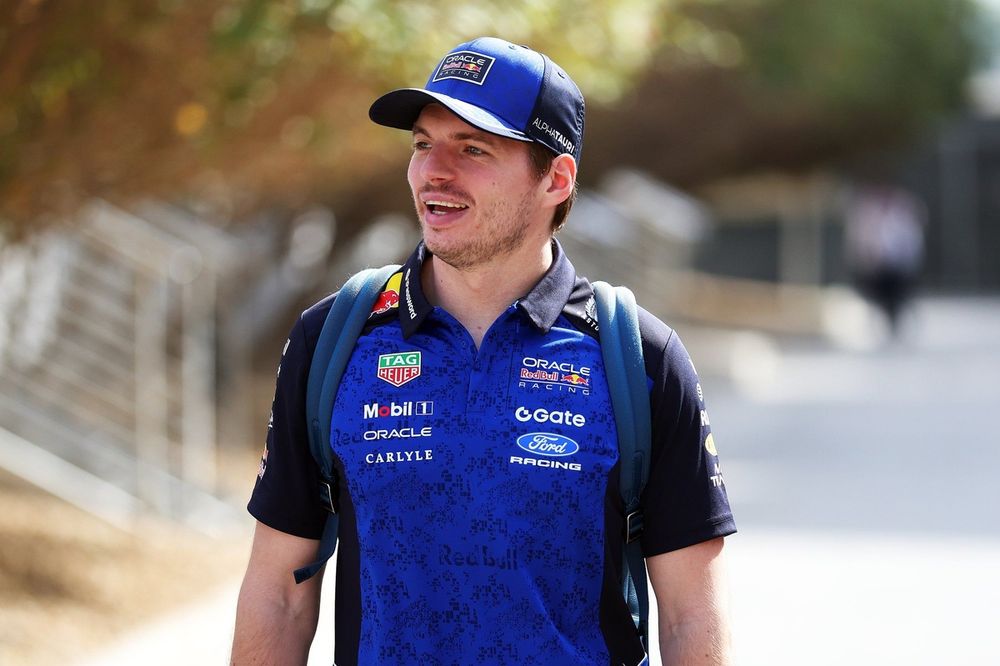
Formula E CEO Jeff Dodds has invited Max Verstappen to this weekend's Jeddah E-Prix after the F1 champion likened 2026 F1 cars to "Formula E on steroids." Dodds sees the comment as an opportunity to showcase Formula E's racing and believes Verstappen would enjoy driving the series' powerful new Gen4 car, highlighting a philosophical split between the two championships' technical directions.
Formula E CEO Jeff Dodds has extended a playful invitation to Max Verstappen to attend this weekend's Jeddah E-Prix, responding to the Red Bull driver's criticism that the proposed 2026 F1 cars feel like "Formula E on steroids." The exchange highlights a growing debate about the direction of F1's technical regulations and the distinct identities of the two premier single-seater championships.
Why it matters:
Verstappen's vocal concerns about the 2026 F1 cars' heavy focus on energy management strike at the heart of a philosophical divide in motorsport. His comments, and Dodds' witty retort, frame a larger conversation about the balance between technological relevance, racing purity, and driver satisfaction as F1 integrates more electric power. This public back-and-forth also provides Formula E with a significant platform to showcase its own evolving, high-performance product to a broader audience.
The details:
- Verstappen criticized the 2026 F1 cars during testing in Bahrain, stating the increased emphasis on energy management made it feel less like traditional F1 and more akin to Formula E.
- Dodds responded by sending Verstappen a tongue-in-cheek message, inviting the reigning champion to experience Formula E firsthand in Jeddah, located just 1500km from Bahrain.
- The Formula E CEO framed Verstappen's reference as a positive for awareness, suggesting it could draw more eyes to the all-electric series' close, overtake-heavy racing.
- Dodds believes Verstappen would "love" driving Formula E's upcoming Gen4 car, citing its 800bhp power, permanent all-wheel drive, and acceleration from 0-100 km/h in 1.8 seconds.
What's next:
The core of Verstappen's critique—that F1's 2026 rules create a compromised driving experience by merging two technologies—contrasts with Formula E's singular focus on optimizing racing around electric power. While Verstappen is unlikely to take up the Jeddah invitation mid-testing, the discussion underscores the challenge F1 faces in evolving its power units for a sustainable future while retaining the visceral, raw driving characteristics its stars cherish. As Formula E prepares to debut its faster Gen4 car, the performance gap between the two championships may narrow, further fueling comparisons about the essence of top-level single-seater racing.
Don't miss the next lap
Get the deep dives and technical analysis from the world of F1 delivered to your inbox twice a week.
Zero spam. Only high-octane analysis. Unsubscribe anytime.
Join the inner circle
Get the deep dives and technical analysis from the world of F1 delivered to your inbox twice a week.
Zero spam. Only high-octane analysis. Unsubscribe anytime.
Continue Reading
View More News