Formula E champion fires back at Verstappen's 'Formula E on steroids' jab
Formula E champion Lucas Di Grassi has challenged Max Verstappen to try Formula E's future cars after the F1 champion criticized 2026 F1 regulations as "Formula E on steroids." The exchange reveals tension over F1's technical direction and its appeal to top drivers.
Formula E champion Lucas Di Grassi has responded to Max Verstappen’s criticism of Formula 1's 2026 car regulations, which the Red Bull driver likened to "Formula E on steroids." The exchange highlights a growing debate over the future direction of F1's technical rules and driver satisfaction.
Why it matters:
Verstappen’s vocal dissatisfaction with the proposed 2026 power unit regulations—featuring a 50/50 split between electrical and combustion power—signals potential friction between the sport’s top star and its governing body. His comments, suggesting the cars could hasten his retirement, put a spotlight on whether F1's push for sustainability and complexity is alienating its biggest draws. Di Grassi’s retort also underscores the ongoing rivalry and comparisons between the premier internal combustion series and its all-electric counterpart.
The details:
- During pre-season testing in Bahrain, Verstappen criticized the 2026 F1 cars, calling them "anti-racing" due to extreme energy management demands that reduce the ability to drive flat-out.
- He directly compared the experience to "Formula E on steroids," a remark widely seen as a slight against the electric racing series.
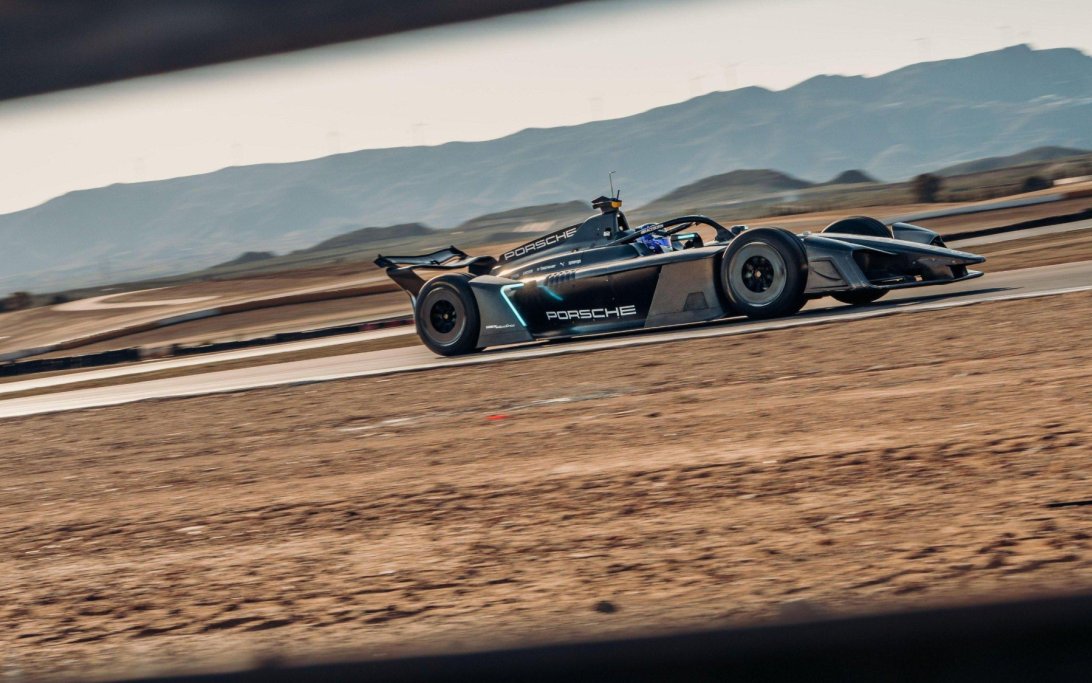
- In response, Di Grassi, a former F1 driver and FE champion, took to social media to claim future Formula E cars (Gen 4.5 & 5) "will be way faster than current F1 cars."
- Di Grassi extended an open invitation to Verstappen: "You can come and drive the fastest cars on the planet in a few years."
- Verstappen is under contract with Red Bull until the end of 2028 but has repeatedly stated his next contract will be his last and has openly questioned his long-term future in the sport.
What's next:
The public spat highlights the polarizing nature of the 2026 regulations before they have even been fully realized. While Verstappen’s threats of early retirement may be a bargaining chip or an expression of genuine concern, they apply significant pressure on the FIA and F1 to ensure the new cars remain engaging for drivers and fans. Whether the technical path for 2026 leads to a more divided grid or convinces stars like Verstappen to stay will be one of the sport's central narratives in the coming years.
Don't miss the next lap
Get the deep dives and technical analysis from the world of F1 delivered to your inbox twice a week.
Zero spam. Only high-octane analysis. Unsubscribe anytime.
Join the inner circle
Get the deep dives and technical analysis from the world of F1 delivered to your inbox twice a week.
Zero spam. Only high-octane analysis. Unsubscribe anytime.
Continue Reading
View More News