FP3 Start Delayed in Melbourne Amid Chaotic Australian GP Weekend
The start of FP3 at the Australian Grand Prix has been delayed, compounding a dramatic Friday that saw George Russell investigated for a collision and Max Verstappen damaging his Red Bull's floor. The schedule disruption pressures teams as they repair cars and prepare for qualifying.
The start of the final practice session for the Australian Grand Prix has been delayed, adding to a chaotic weekend in Melbourne that has already featured a major collision for George Russell and significant floor damage to Max Verstappen's Red Bull. The disruption comes as the FIA confirmed its decision regarding Russell's FP1 incident and teams scramble to repair cars ahead of qualifying.
Why it matters:
Any delay to the tightly packed Formula 1 schedule creates a domino effect, compressing the limited time teams have to analyze data, make setup changes, and prepare for the critical qualifying session. For drivers like Russell and Verstappen, whose teams are now facing repair jobs, every lost minute on track is a setback in their preparation to challenge for grid position at a circuit where overtaking is difficult.
The details:
- The specific cause and length of the FP3 delay were not immediately detailed in the initial report, but it follows a dramatic Friday.
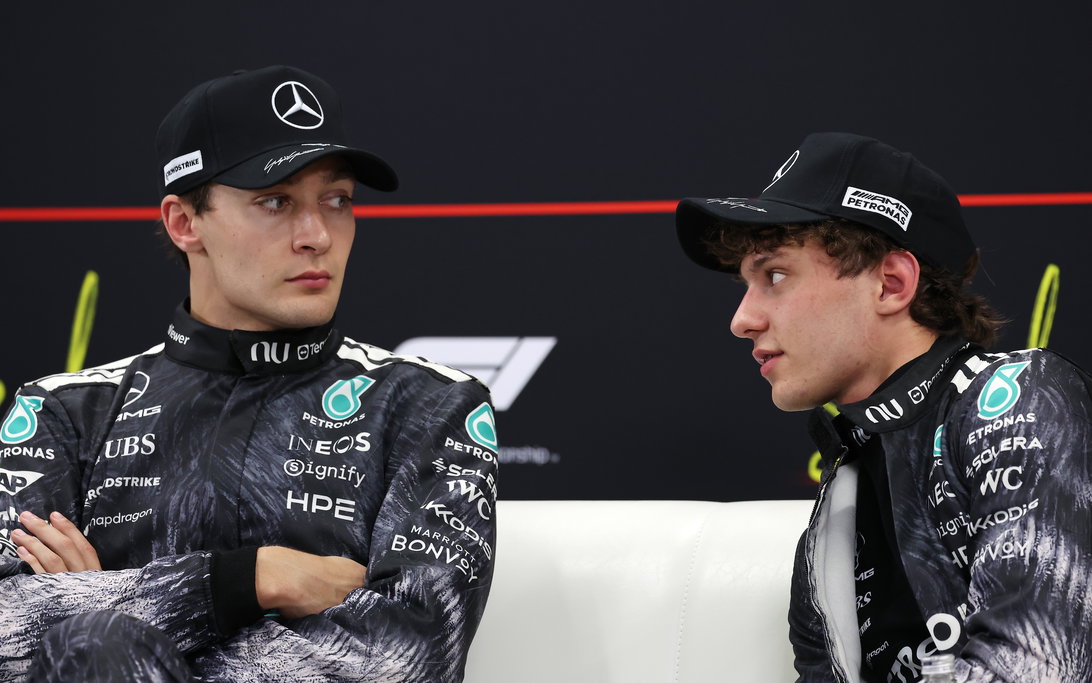
- Russell's Incident: The Mercedes driver was under a double investigation by the FIA after a collision during FP1. The governing body has since confirmed its decision on the matter, though the outcome was not specified in the snippet.
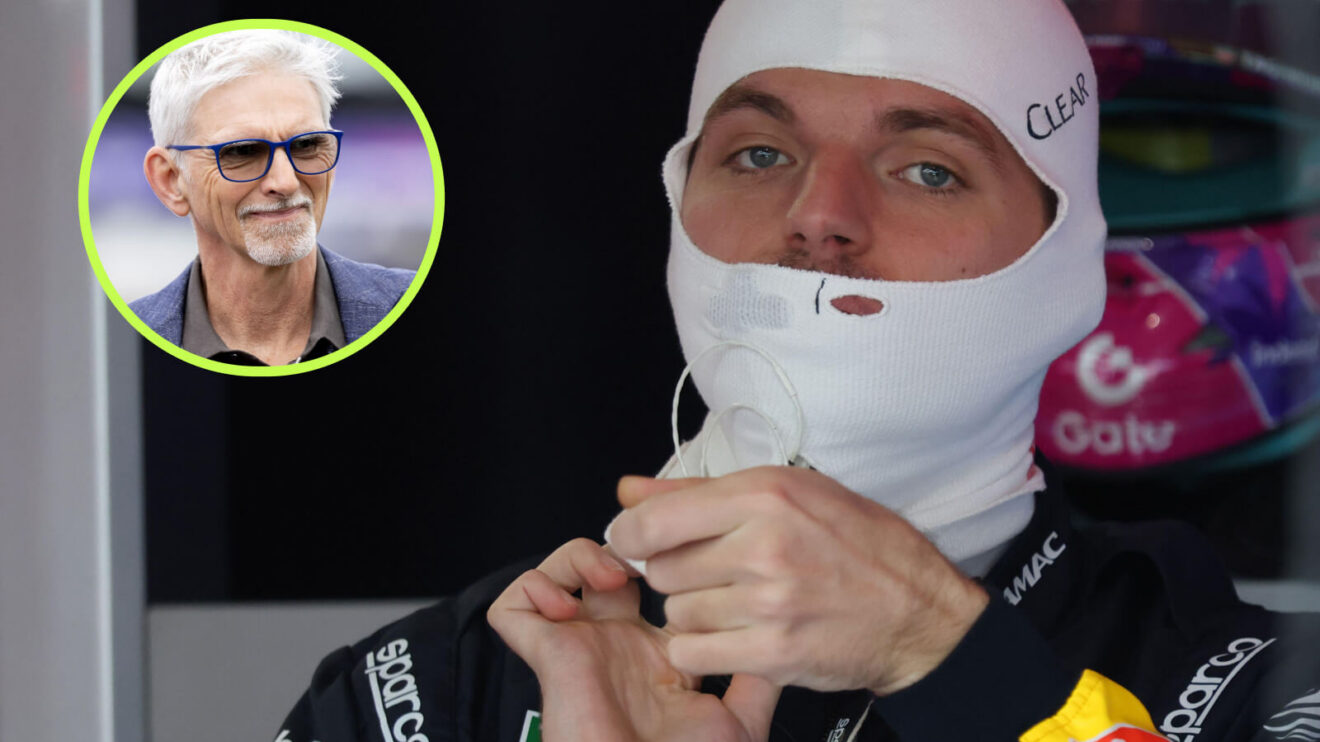
- Verstappen's Damage: In a rare mistake, the reigning world champion caused "significant damage to the floor" of his Red Bull RB20, according to reports. Floor damage is critical as it severely impacts aerodynamic performance and downforce.
- Competitive Landscape: Despite the drama, Friday's running showed promise for Mercedes-powered cars, with local hero Oscar Piastri topping the timesheets for McLaren in FP2.
What's next:
All eyes will be on the revised schedule as teams work to get their cars ready. The compressed timeline puts extra pressure on mechanics, especially at Mercedes and Red Bull, to complete repairs without error. The delay could also lead to a more frantic and unpredictable FP3, with drivers potentially taking greater risks to gather crucial data in a shortened window, setting the stage for a high-stakes qualifying hour later in the day.
Don't miss the next lap
Get the deep dives and technical analysis from the world of F1 delivered to your inbox twice a week.
Zero spam. Only high-octane analysis. Unsubscribe anytime.
Join the inner circle
Get the deep dives and technical analysis from the world of F1 delivered to your inbox twice a week.
Zero spam. Only high-octane analysis. Unsubscribe anytime.
Continue Reading
View More News