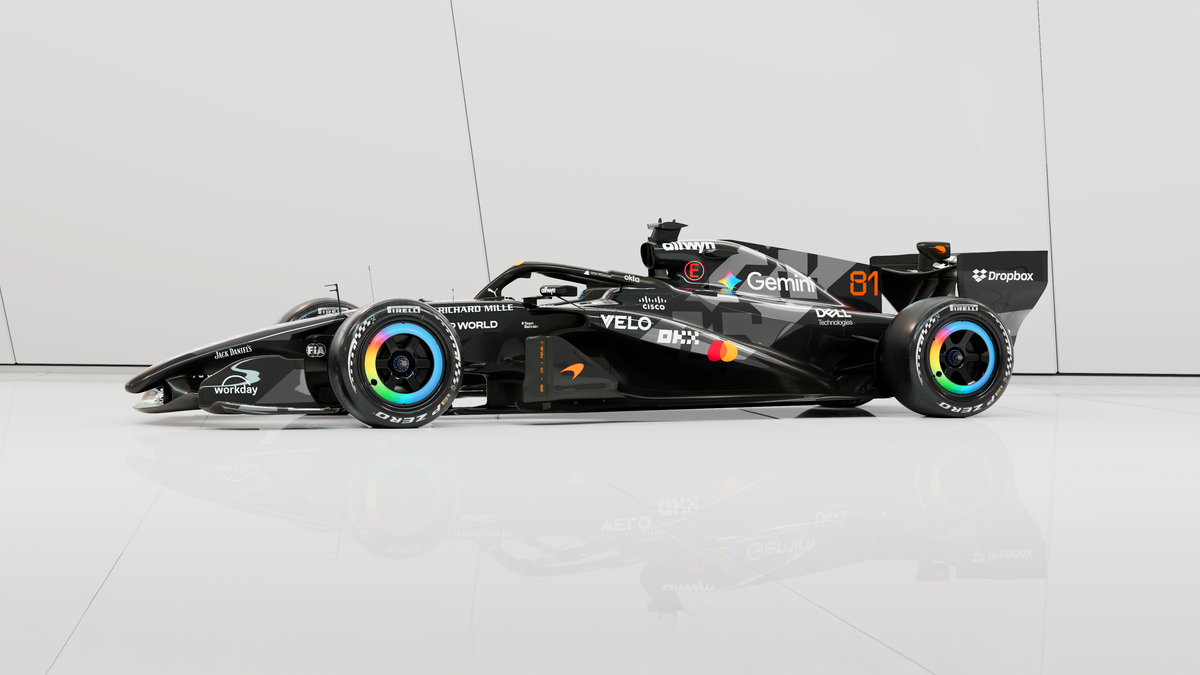
Gary Anderson Analyzes McLaren’s 2026 F1 Car Renders
Gary Anderson breaks down McLaren's 2026 renders, highlighting pushrod suspension choices and aerodynamic tweaks as the team aims for a third consecutive title.
McLaren enters the 2026 season as the back-to-back Constructors' Champion, having halted development early on last year's dominant chassis to focus on the new regulations. Newly released renders offer a first look at the team's latest challenger, revealing a pushrod suspension layout and aggressive aerodynamic concepts designed to maintain their competitive edge amid significant rule changes for both the power unit and chassis.
Why it matters:
With a third consecutive title on the line and a massive regulatory overhaul, every technical decision counts. As the team to beat, McLaren is under immense pressure to translate its simulation data into on-track performance. Rivals like Ferrari and Mercedes are looking for any opportunity to close the gap, making the efficiency of McLaren's new aerodynamic package critical.
The details:
- Front End Aerodynamics: The front wing endplates appear more three-dimensional than competitors, paired with high front brake duct inlets. This layout optimizes airflow around the front tire, justifying the switch to a pushrod suspension system.
- Suspension Philosophy: McLaren retains pushrod suspension at both ends. The front setup includes anti-dive characteristics on the upper wishbone to control the platform, though reduced downforce could lead to front brake locking issues.
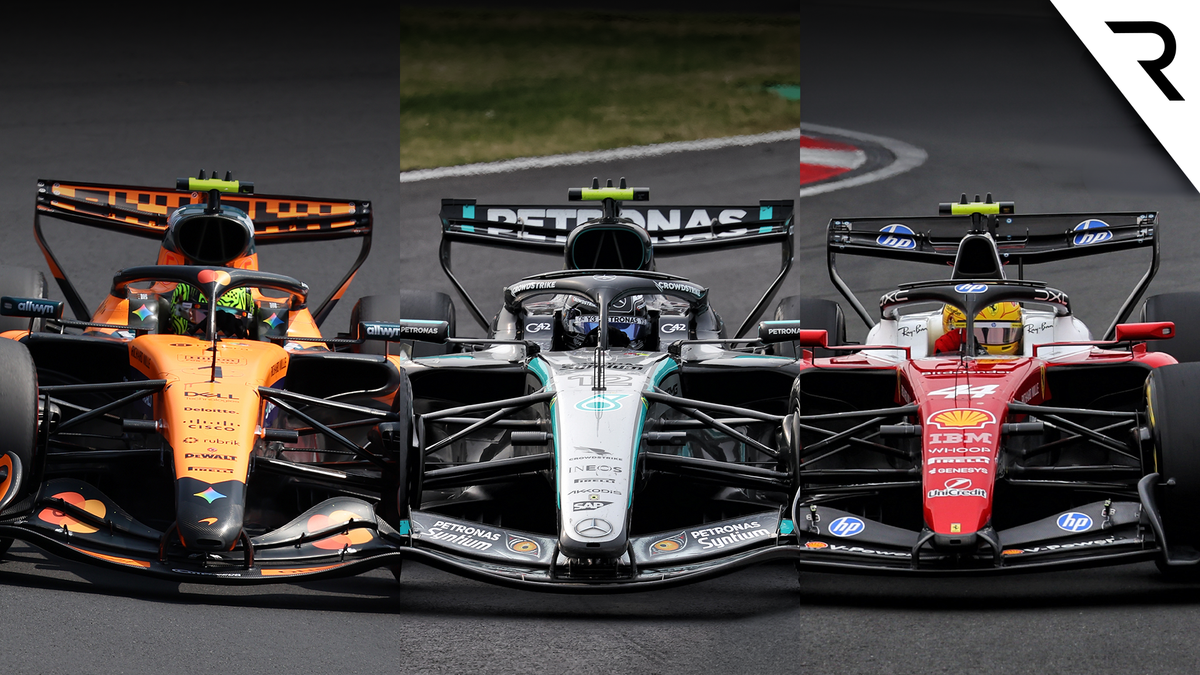
- Sidepod and Bodywork: The sidepod undercut remains aggressive, similar to last year's design. However, the bargeboards in the renders look somewhat primitive compared to Ferrari and Mercedes, suggesting the real car will feature more evolved solutions.
- Rear Airflow Management: The rear brake ducts and new mini wheel hub caps are designed to manage turbulence and potentially generate "outwash," improving the efficiency of the diffuser and rear wing.
Looking Ahead:
The upcoming Barcelona test serves primarily as a reliability shakedown for "Specification A" cars. While teams focus on sorting out gremlins, the real battle lies in the manufacturing pipeline for "Specification B" performance parts. With the regulations still fresh, a surprise breakthrough from a rival could shake up the established order, but McLaren is poised to defend its crown.
Don't miss the next lap
Get the deep dives and technical analysis from the world of F1 delivered to your inbox twice a week.
Zero spam. Only high-octane analysis. Unsubscribe anytime.
Join the inner circle
Get the deep dives and technical analysis from the world of F1 delivered to your inbox twice a week.
Zero spam. Only high-octane analysis. Unsubscribe anytime.
Continue Reading
View More News