Gary Anderson’s Verdict: Mercedes’ 2026 F1 Car Shows Encouraging Signs
Gary Anderson analyzes Mercedes' 2026 contender, noting a clean design and potential recovery from ground effect struggles, provided their correlation issues are resolved.
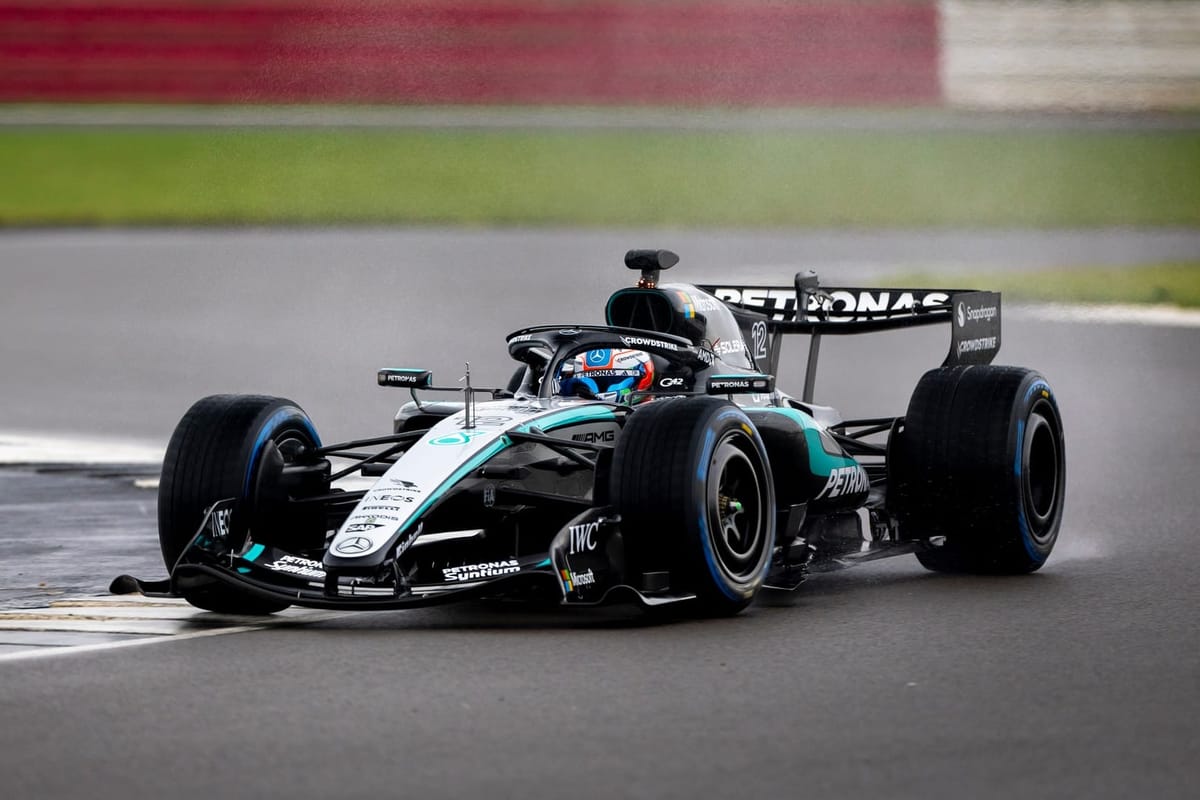
Mercedes faces a critical reset in 2026 after a turbulent ground effect era marked by severe inconsistency. Gary Anderson’s analysis of the new car reveals a clean, integrated design that suggests progress, though the team's ultimate success depends on whether they have finally corrected the correlation tools that led them astray in previous seasons.
Why it matters:
The Silver Arrows have failed to consistently challenge for titles since 2021, often baffled by wind tunnel data that didn't translate to track performance. With the 2026 regulations shifting focus away from sensitive ground effect floors, Mercedes has a prime opportunity to leverage its engineering depth and close the gap to the current frontrunners.
The details:
- Front End: The car retains pushrod front suspension and anti-dive features, favoring proven concepts. The detached three-element front wing and high radiator inlets facilitate a strong sidepod undercut, directing airflow efficiently toward the rear.
- Aerodynamic Returns: In a nod to the pre-ground effect era, bargeboards have reappeared to manage front tyre wake. The sidepods feature aggressive louvres to manipulate "tyre squirt," feeding the coke bottle area to reduce drag and boost diffuser performance.
- Rear Suspension: Anderson notes the rear suspension maintains high anti-lift values, a trait that previously caused driver feedback issues. However, the new power unit's increased rear-axle energy recovery will change braking loads, potentially altering the car's behavior under deceleration.
What's next:
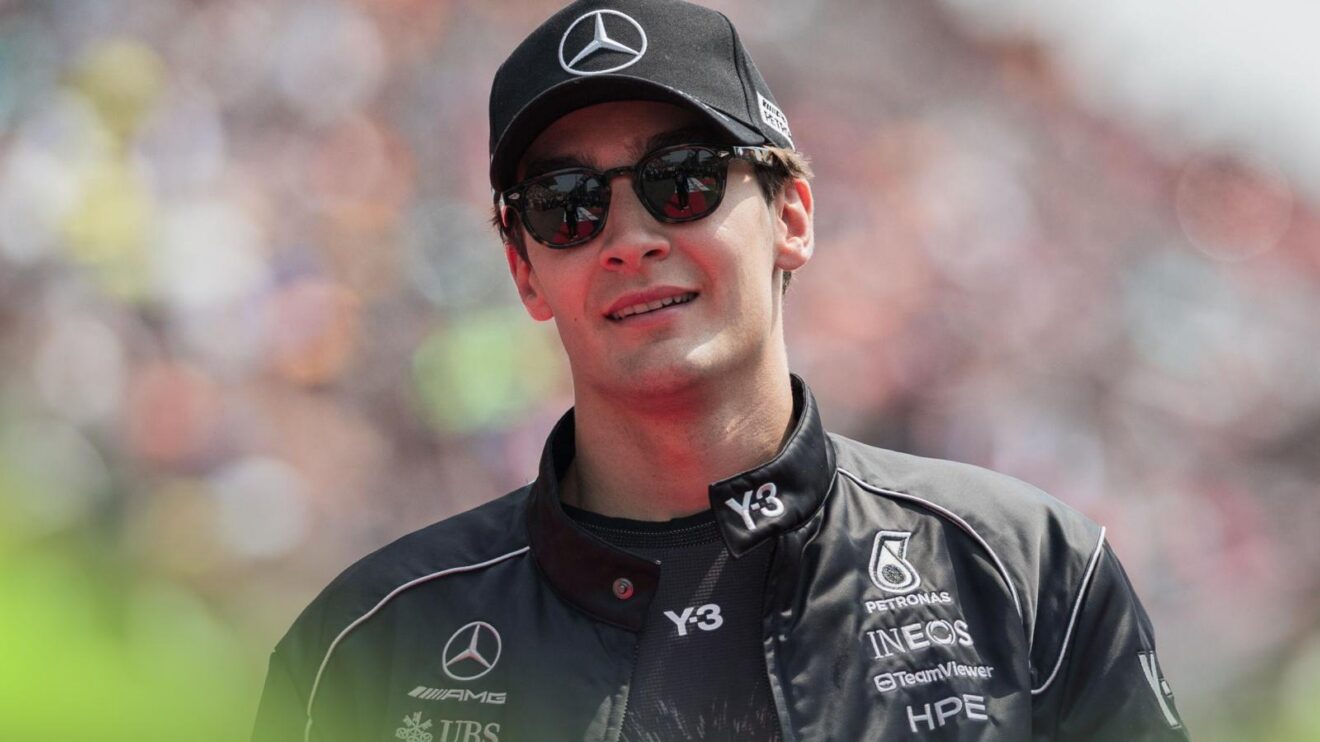
With rumors of a dominant "rocketship" power unit, Mercedes could be in a strong position. If the chassis works in harmony with the engine and the team has fixed its development tools, George Russell and rookie Kimi Antonelli could be fighting for wins immediately.
Don't miss the next lap
Get the deep dives and technical analysis from the world of F1 delivered to your inbox twice a week.
Zero spam. Only high-octane analysis. Unsubscribe anytime.
Join the inner circle
Get the deep dives and technical analysis from the world of F1 delivered to your inbox twice a week.
Zero spam. Only high-octane analysis. Unsubscribe anytime.
Continue Reading
View More News