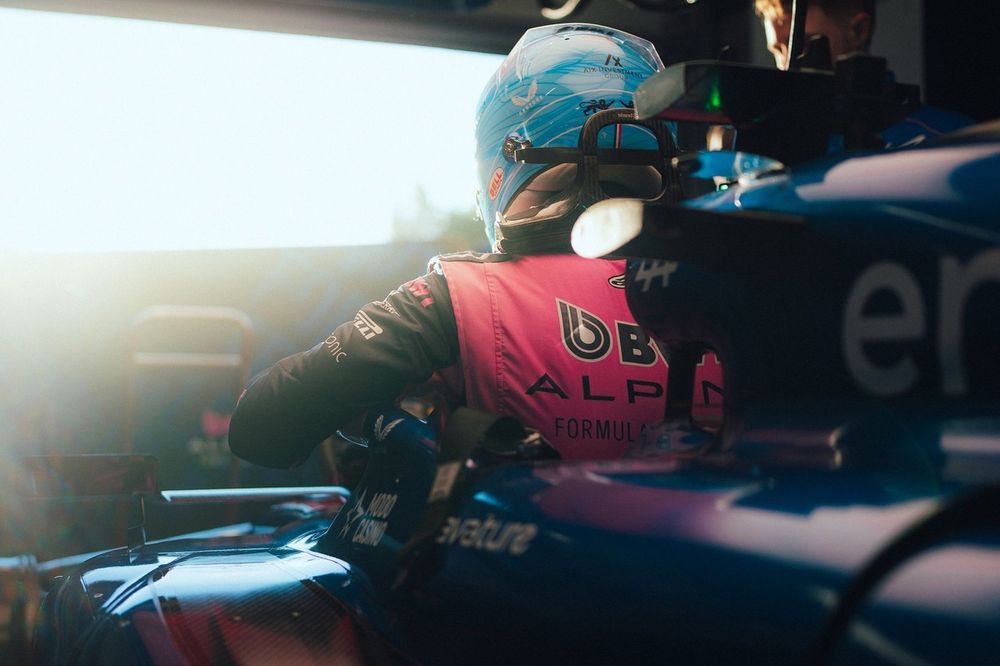
Gasly Warns of Chaotic Starts in 2026 F1 Season Opener
Pierre Gasly predicts the 2026 Australian Grand Prix start could be chaotic due to new engine and aerodynamic rules. The removal of the MGU-H makes launches trickier, while active aero reduces downforce for the pack into Turn 1, raising the risk of major grid shake-ups or incidents on the opening lap.
Pierre Gasly has advised fans to be glued to their TVs for the start of the 2026 Australian Grand Prix, suggesting the new technical regulations could create a memorable—and potentially chaotic—launch sequence. The Alpine driver believes the combination of revised power units and active aerodynamics will make race starts significantly more complex and unpredictable than in previous years.
Why it matters:
The start of a Grand Prix is one of the most critical and high-pressure moments of a race weekend. With the 2026 regulations introducing fundamental changes to how cars launch, the risk of major grid shake-ups and race-altering incidents on the opening lap increases dramatically. This could turn the season opener into a lottery, where a poor start could cost a driver multiple positions instead of just one or two.
The details:
- Engine Complexity: The removal of the MGU-H from the power unit formula means the internal combustion engine must work harder to spool the turbocharger to its optimal operational window for the start. Drivers now need to hold higher revs for a longer period before the lights go out, a process that is tricky and can easily lead to slow getaways or even trigger anti-stall systems.
- Aerodynamic Instability: The introduction of active aerodynamics, which reduces downforce on straights, adds another layer of risk. As Oscar Piastri noted, a pack of 22 cars entering Turn 1 with significantly less downforce is "a recipe for disaster," increasing the potential for a multi-car incident.
- Backmarker Disadvantage: The new starting procedure could disproportionately affect drivers at the back of the grid. The last cars to arrive on the grid may have less time to prepare their engines for the optimal launch window, putting them at an immediate disadvantage.
Between the lines:
While the drivers acknowledge the initial challenge, there is an underlying expectation that teams will quickly adapt. Gasly himself predicts that all teams will "figure out how to take proper starts in the space of a couple of weeks or months." However, for the very first race in Melbourne, the lack of real-world data and the unique pressures of a race start mean reliability and simply finishing the race will be the primary goal for many, a stark contrast to the more aggressive opening lap mindsets of the past.
What's next:
The true test will come under the lights in Melbourne. As Esteban Ocon of Haas stated, the differences in start performance could be stark, with drivers potentially losing "the whole lot" of positions with a bad launch. The opening moments of the Australian Grand Prix may not just set the tone for the race, but could offer the first clear glimpse of which teams have best mastered the complexities of the 2026 regulations under the most intense pressure.