Haas Rejected Ferrari's Radical Rear Wing Over Weight Concerns
Oliver Bearman explains Haas opted against copying Ferrari's novel rotating rear wing because the design is too heavy, underscoring the severe weight constraints teams face under F1's 2026 regulations. The decision reflects the critical balance between aerodynamic innovation and the relentless pursuit of minimum mass.
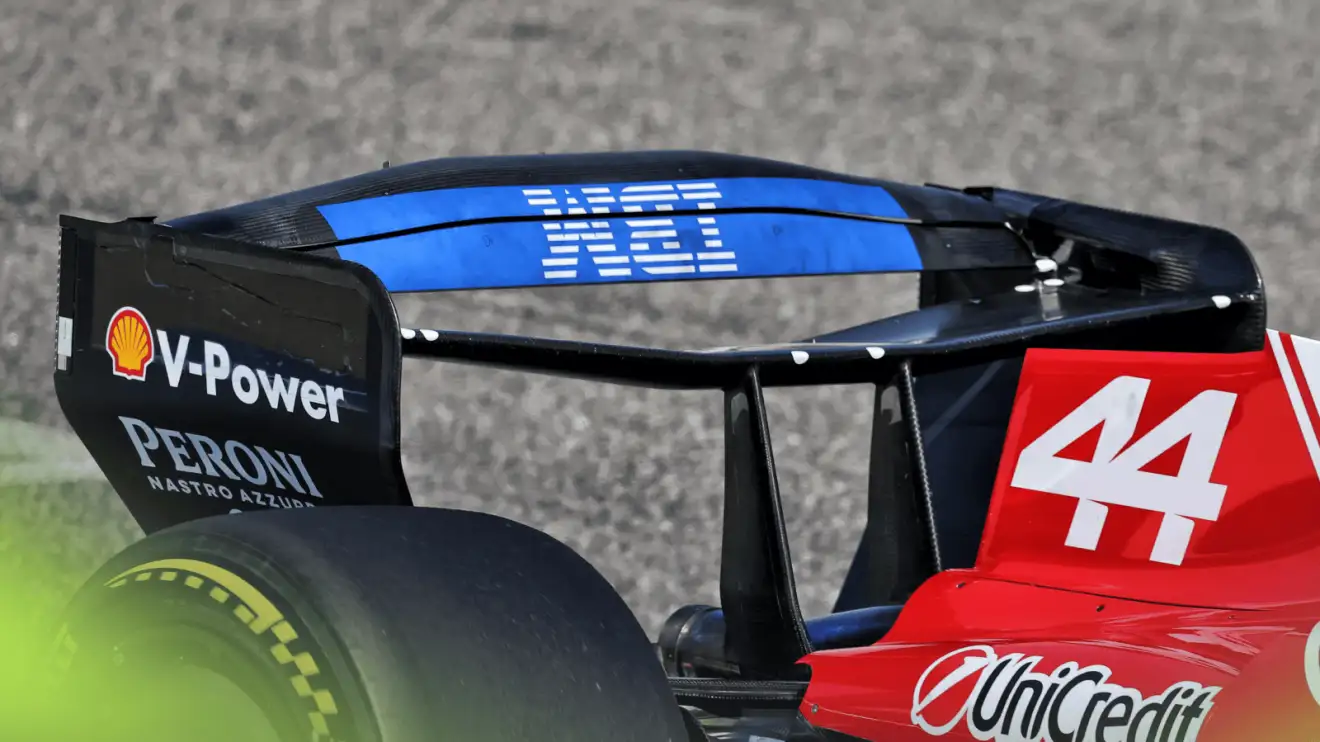
Haas driver Oliver Bearman has revealed his team considered but ultimately rejected Ferrari's innovative rotating rear wing design for the 2026 F1 season, citing its significant weight as the primary drawback. The decision highlights the critical trade-offs teams face under the new technical regulations, where every kilogram is precious.
Why it matters:
In a season defined by a major weight reduction target, component mass has become a paramount performance factor. Choosing a potentially superior aerodynamic concept that pushes a car over the minimum weight limit can negate any on-track advantage, forcing teams into difficult compromises between innovation and pragmatism from the very start of the new era.
The details:
- Ferrari unveiled a unique rotating rear wing design during pre-season testing, differing from the conventional DRS-style flap used by most rivals.
- Bearman confirmed Haas evaluated the concept but deemed it too heavy to implement effectively on their VF-26.
- The 2026 cars have a minimum weight limit of 768kg, which is 32kg lighter than the previous generation, despite the increased mass of new hybrid system batteries.
- Paddock speculation suggests several teams are struggling to meet this aggressive weight target, making any heavy components a serious liability.
- Bearman, who will race for Haas in 2026, admitted the Ferrari wing looked "cool" and "super innovative," even initially mistaking its movement for a breakage when following Lewis Hamilton on track.
What's next:
Ferrari team principal Fred Vasseur stated the Scuderia has not yet decided if the radical wing will debut at the season-opening Australian Grand Prix. Its race introduction and subsequent performance will be a key early test of whether its aerodynamic benefits can outweigh the mass penalty. If successful, it could pressure rivals to find their own, lighter solutions to achieve a similar effect, sparking a new development race centered on weight-saving aerodynamics.
Don't miss the next lap
Get the deep dives and technical analysis from the world of F1 delivered to your inbox twice a week.
Zero spam. Only high-octane analysis. Unsubscribe anytime.
Join the inner circle
Get the deep dives and technical analysis from the world of F1 delivered to your inbox twice a week.
Zero spam. Only high-octane analysis. Unsubscribe anytime.