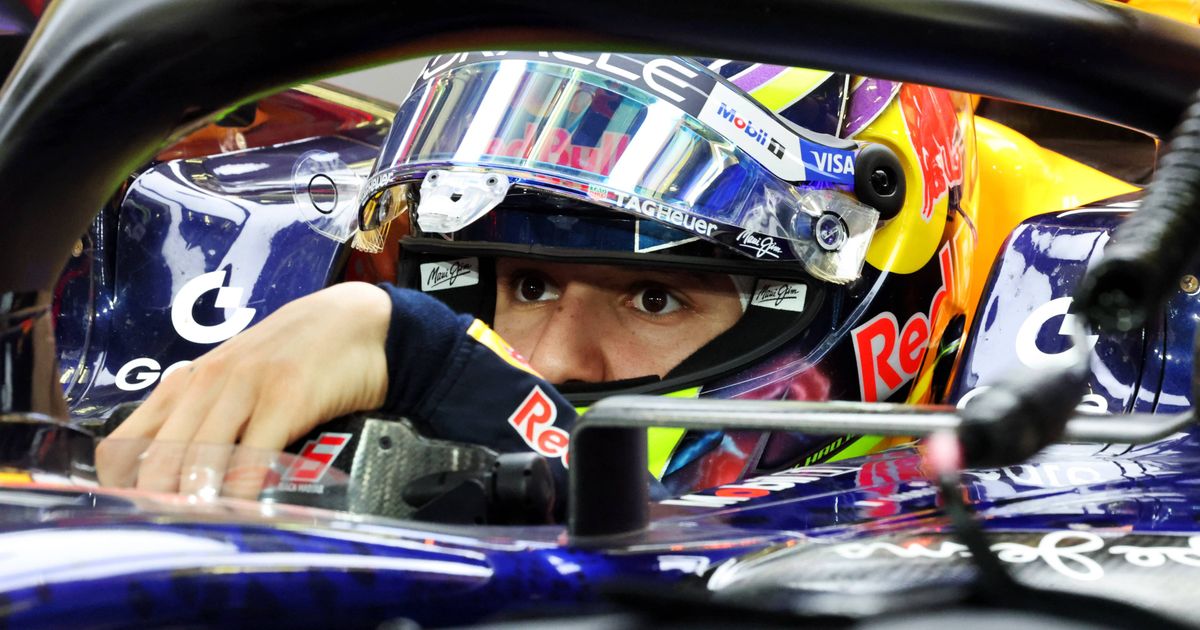
Hadjar aligns with Verstappen on 2026 F1 car challenges
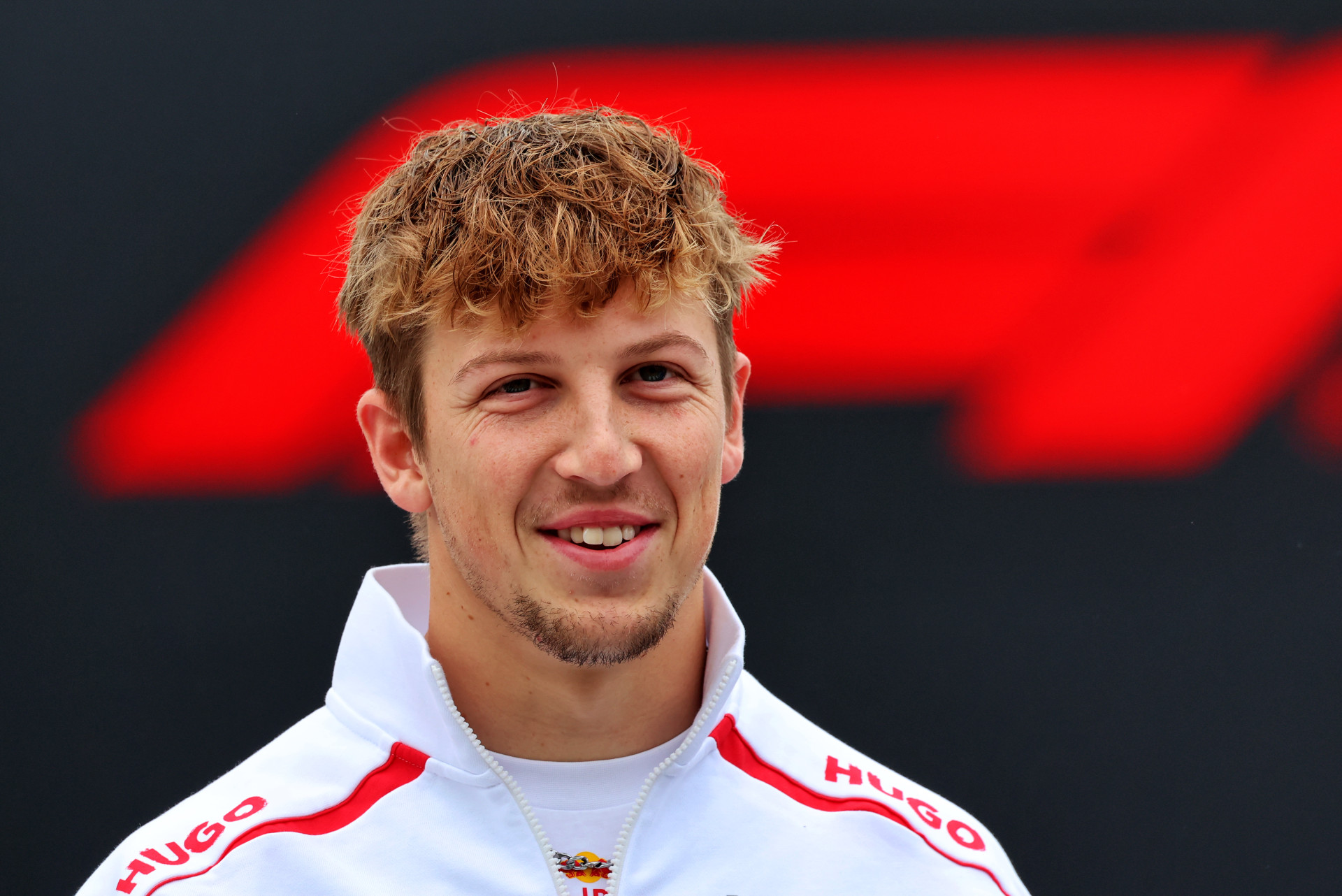
Red Bull junior Isack Hadjar joins Max Verstappen in criticizing the 2026 F1 cars, calling them slower and less responsive. He admits the new strategic energy management is intellectually challenging but laments the loss of raw speed. Fernando Alonso sarcastically noted the cars are now so slow in corners that 'the chef' could drive them.
Red Bull junior Isack Hadjar has voiced concerns similar to teammate Max Verstappen's, stating the new 2026 Formula 1 cars are slower and less responsive, requiring more strategic energy management but offering less of the raw speed drivers dream of. His comments add to a growing chorus of driver skepticism about the sport's technical direction, highlighted by Fernando Alonso's ironic remark that the cars are now so slow in corners that "the chef" could drive them.
Why it matters:
The unified criticism from both established stars and upcoming talents like Hadjar signals a potential disconnect between the sport's regulatory goals and the drivers' core desire for extreme performance. As F1 aims for closer racing and sustainability with new energy-recovery rules, it risks diluting the very attributes—extreme speed and driver challenge—that define its elite appeal and attract top talent from a young age.
The Details:
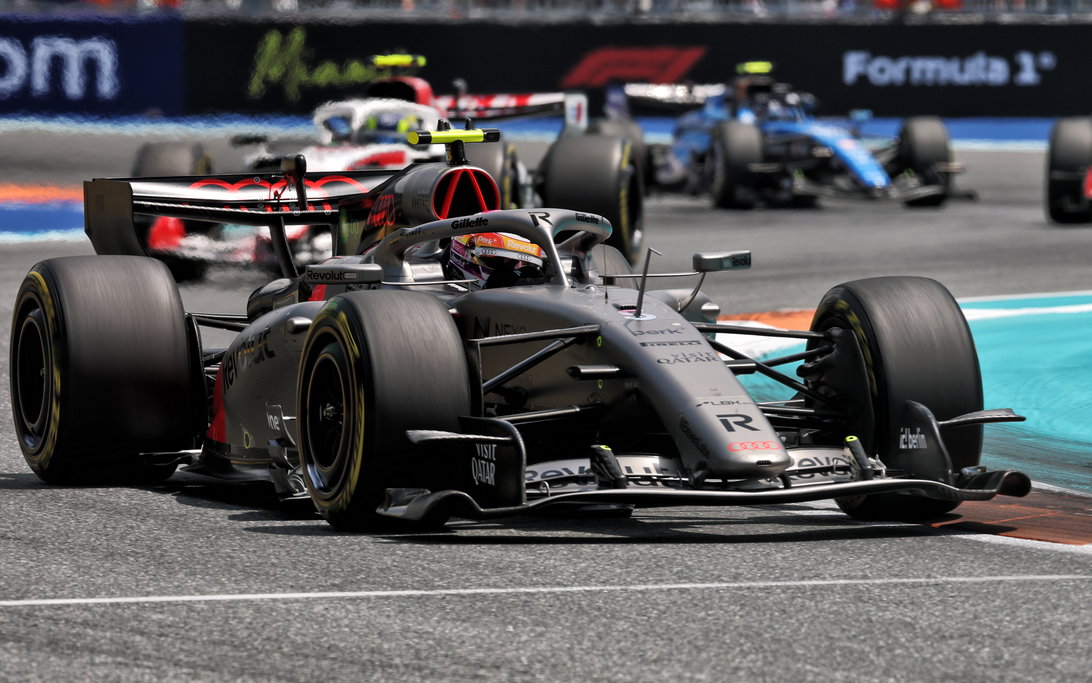
- Hadjar explicitly stated his preference for faster cars capable of breaking lap records, calling it a childhood dream, and confirmed the 2026 cars feel slower with less downforce and response.
- He described the driving experience as "less natural," noting that while strategic energy harvesting creates a new area for drivers to make a difference, it comes at the cost of pure, instinctive driving.
- The Frenchman clarified that the cars only appear more reactive because they slide more due to reduced downforce and are smaller, but in medium and slow-speed corners, the feeling is similar to 2024, just "more like the funnier stuff."
- Fernando Alonso provided a stark, ironic example of the new strategic imperative, noting drivers now must drastically slow down in corners like Turns 10-12 in Bahrain to harvest energy for the straights, quipping the cornering speeds are so manageable that "the chef" could handle it.
What's next:
The public driver feedback presents a significant narrative challenge for the FIA and FOM as the 2026 season approaches. The focus will now shift to whether the promised benefits of closer racing materialize on track, and if that spectacle can offset the drivers' perceived loss of ultimate performance and challenge. Hadjar concluded that fighting for wins will always be exciting, but doing so in "super, super fast" cars simply makes it better.
Don't miss the next lap
Get the deep dives and technical analysis from the world of F1 delivered to your inbox twice a week.
Zero spam. Only high-octane analysis. Unsubscribe anytime.
Join the inner circle
Get the deep dives and technical analysis from the world of F1 delivered to your inbox twice a week.
Zero spam. Only high-octane analysis. Unsubscribe anytime.
Continue Reading
View More News