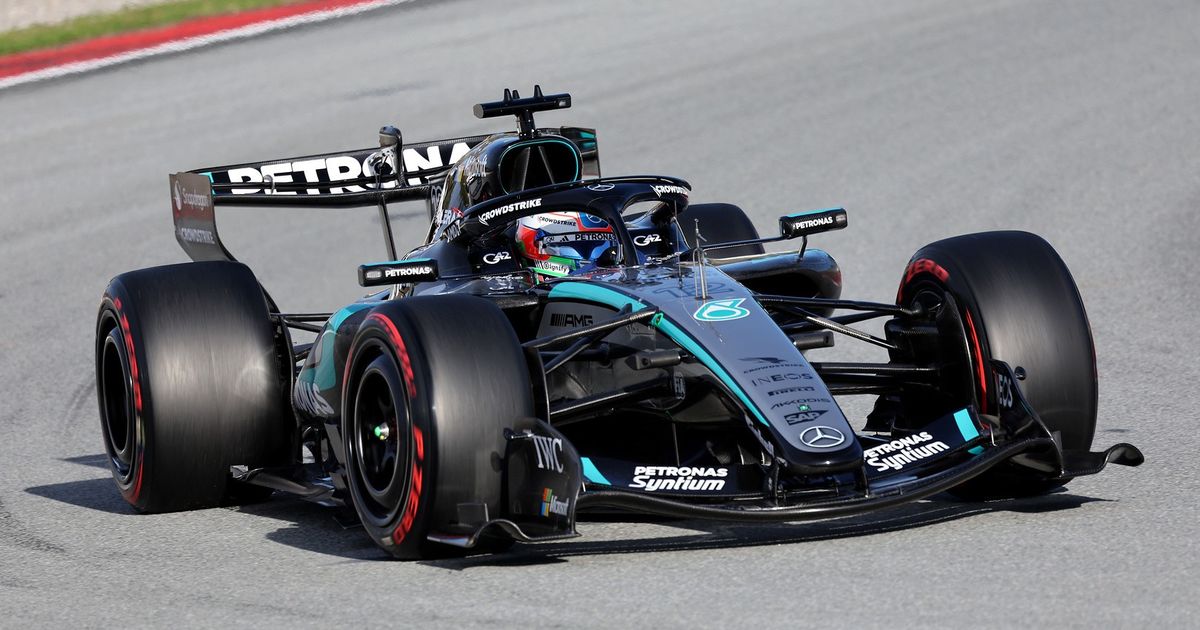
Hadjar Tops Day 1 as 2026 F1 Testing Begins in Barcelona
Red Bull's Isack Hadjar led the opening day of 2026 pre-season testing in Barcelona, outpacing Mercedes' George Russell, as teams navigated damp track conditions to kick off the new season.
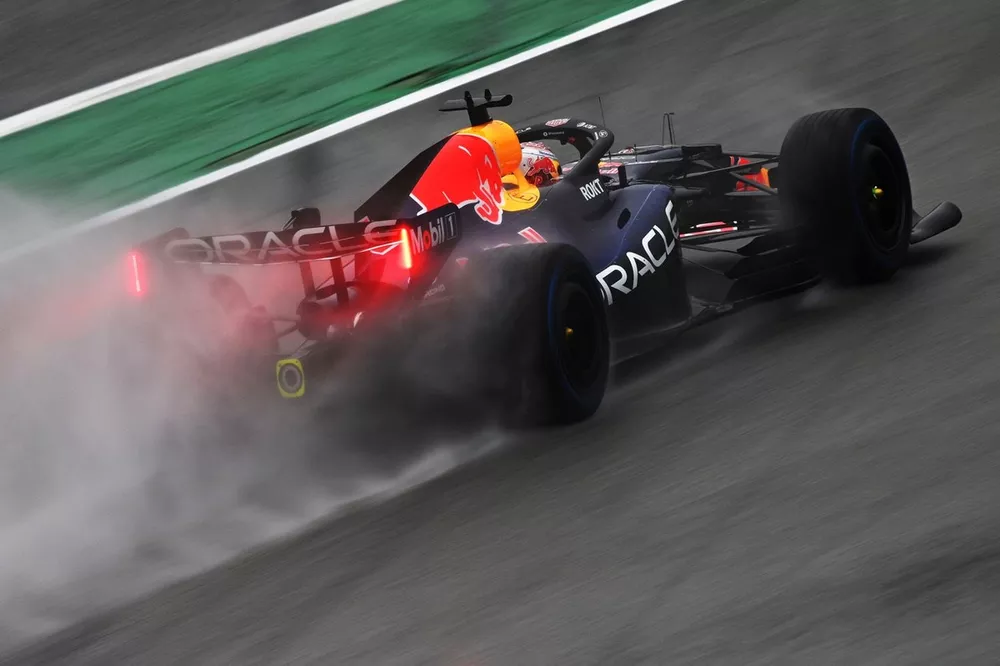
Isack Hadjar set the early benchmark for the 2026 Formula 1 season by topping the timesheets on the first day of pre-season testing in Barcelona. The Red Bull driver posted an unofficial lap of 1:18.159, outpacing Mercedes' George Russell, while rookie Kimi Antonelli completed his initial running on a damp track.
Why it matters:
With the new regulations now in full effect, this first session provides the critical first data point on the competitive hierarchy. The performance gap between Red Bull and Mercedes appears razor-thin based on laptimes, signaling a potentially intense battle for supremacy. Furthermore, the successful running of seven teams confirms that the new power units are stable enough for initial track deployment, a relief for the paddock after a winter of intense development.
The details:
- Red Bull's Form: Hadjar showed strong evolution throughout the day, improving his morning benchmark of 1:18.835 to a 1:18.159 in the afternoon. This consistency suggests the team has quickly found a strong baseline with their 2026 package.
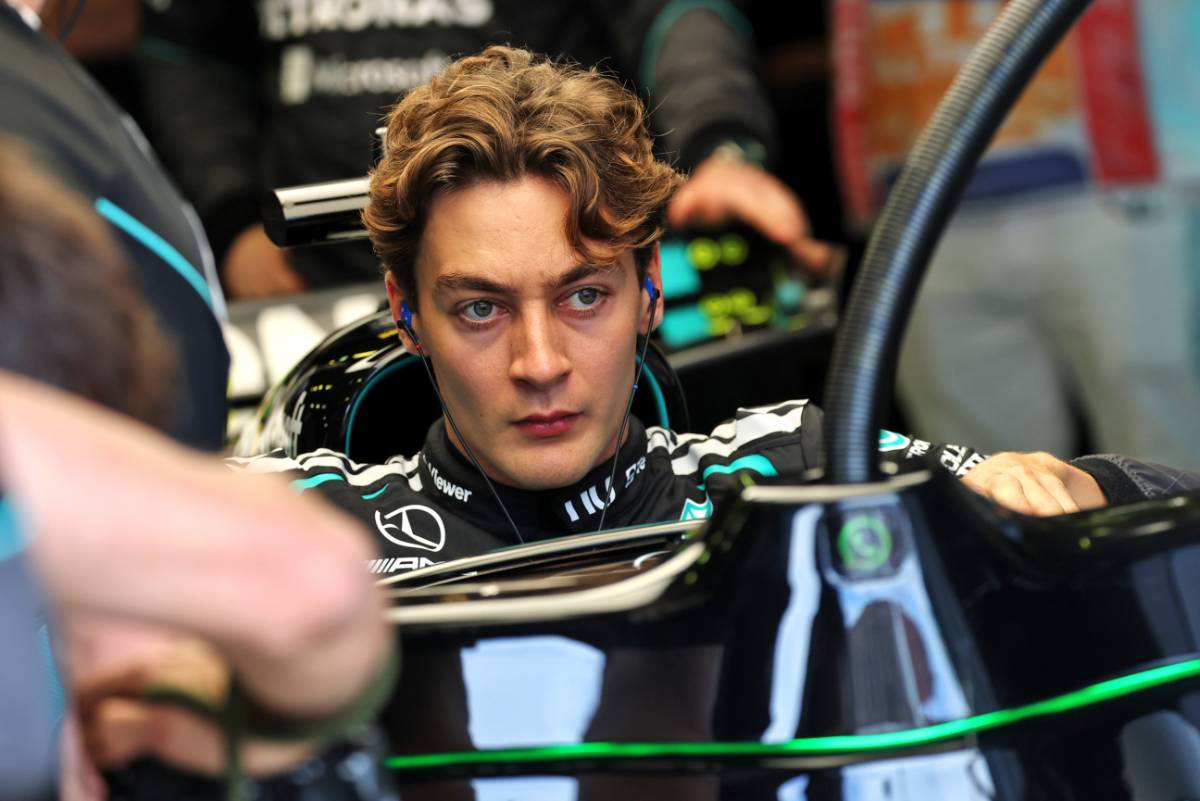
- Mercedes' Challenge: George Russell slotted into P2 with a 1:18.696, just half a second off Hadjar's pace. This close proximity indicates Mercedes has not sacrificed performance for reliability in their new design.
- Antonelli's Morning: The highly anticipated debut of Kimi Antonelli saw him log a 1:20.700. While the damp conditions prevented a true qualifying simulation, the team focused on system checks and acclimatization for the young driver.
- Field Activity: Seven of the eleven teams took to the track, with Mercedes, Audi, and Alpine leading the charge out of the garage. The session was characterized by cautious running as overnight rain left damp patches on the iconic Circuit de Barcelona-Catalunya.
What's next:
Teams face a significant weather threat on Day 2, with forecasts predicting heavy rain that could severely disrupt the testing schedule. If the rain materializes, the data gathered from the limited dry running on Day 1 becomes even more valuable for engineers analyzing the new cars' behavior.
Don't miss the next lap
Get the deep dives and technical analysis from the world of F1 delivered to your inbox twice a week.
Zero spam. Only high-octane analysis. Unsubscribe anytime.
Join the inner circle
Get the deep dives and technical analysis from the world of F1 delivered to your inbox twice a week.
Zero spam. Only high-octane analysis. Unsubscribe anytime.
Continue Reading
View More News