Hamilton praises Bad Bunny's Super Bowl show, counters Trump criticism
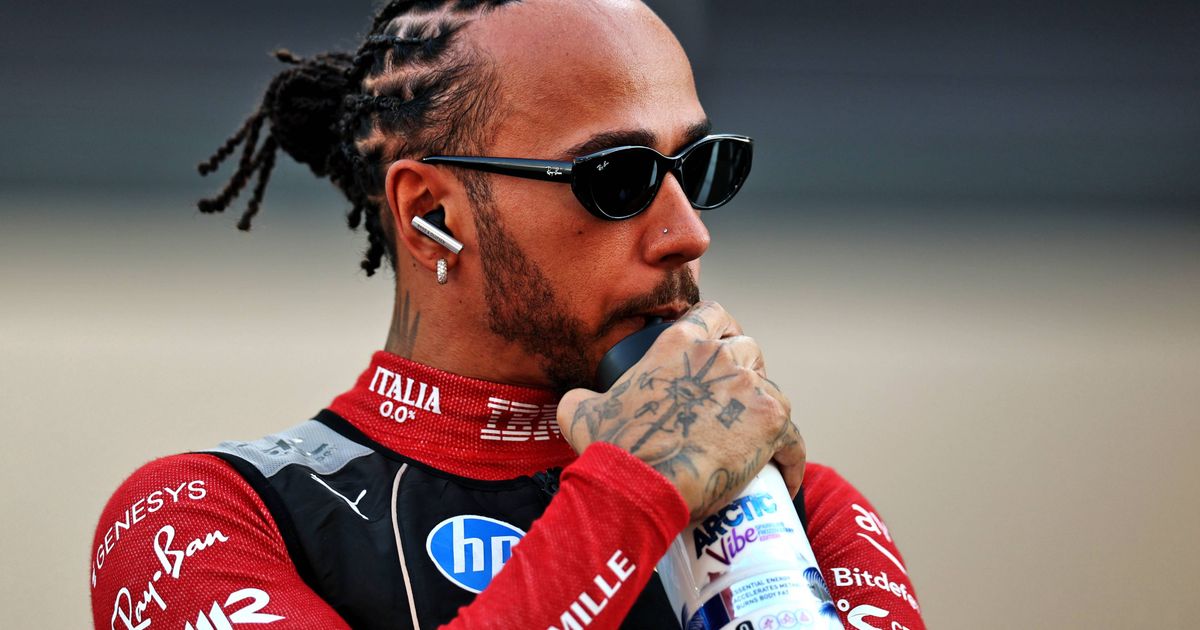
Lewis Hamilton lauds Bad Bunny's Super Bowl halftime performance as a historic display of unity, directly contrasting former President Donald Trump's scathing critique. The seven-time F1 champion, whose family hails from Grenada, felt a personal connection to the show's Caribbean themes and message of love over division.
Lewis Hamilton publicly celebrated Bad Bunny's Super Bowl halftime performance as a powerful message of unity, directly contrasting with former U.S. President Donald Trump's characterization of it as "one of the worst ever." The seven-time F1 champion, who attended the game, expressed deep personal connection to the show's themes of togetherness and Caribbean representation.
Why it matters:
Hamilton's vocal support places him at the intersection of sports, pop culture, and political commentary, reinforcing his role as a prominent social advocate. His stance highlights how cultural events like the Super Bowl become flashpoints in broader societal debates about division versus unity, with high-profile figures from different worlds weighing in.
The details:
- Hamilton took to social media to call the performance "one of THE most important Super Bowl halftime shows in history," praising Bad Bunny (born Benito Antonio Martínez Ocasio) for creating a show "that wasn't about himself, but about the people."
- He specifically noted that seeing the Grenada flag made him "feel instantly connected," as his family is from the Caribbean island.
- The driver concluded by echoing the artist's message: "the only thing more powerful than hate is love."
- This public admiration comes after Trump heavily criticized the performance on his Truth Social platform, labeling it "absolutely terrible."
- Bad Bunny has prior ties to the F1 world, having collaborated with Hamilton's Mercedes team in the past.
The big picture:
This incident is the latest example of Hamilton using his global platform to comment on social and cultural issues beyond the racetrack. His willingness to directly counter the opinion of a major political figure underscores his commitment to advocacy for diversity and inclusion, themes central to his personal and professional mission. It also illustrates the evolving role of athletes as cultural commentators whose influence extends far beyond their sport.
What's next:
Hamilton's commentary is likely to further endear him to fans who appreciate his activism, while potentially drawing criticism from others. It reinforces his identity as a driver who engages with the world around him. The episode may also strengthen his connection with Bad Bunny, potentially leading to future collaborative projects bridging music and motorsport.
Don't miss the next lap
Get the deep dives and technical analysis from the world of F1 delivered to your inbox twice a week.
Zero spam. Only high-octane analysis. Unsubscribe anytime.
Join the inner circle
Get the deep dives and technical analysis from the world of F1 delivered to your inbox twice a week.
Zero spam. Only high-octane analysis. Unsubscribe anytime.
Continue Reading
View More News