Hamilton praises new F1 cars as 'fun' but criticizes slow pace and complex systems
Lewis Hamilton gave his first impressions of F1's new cars after testing with Ferrari, finding them fun and agile like a rally car but surprisingly slow, comparing their pace to GP2. He also heavily criticized the new energy management systems as being overly complex and difficult for fans to understand.
Lewis Hamilton offered a mixed first review of Formula 1's new-generation cars after his initial test with Ferrari, calling them playful and reactive but lamenting their lack of outright speed and criticizing their overly complex energy management systems.
Why it matters:
As a seven-time world champion and the sport's most prominent figure, Hamilton's initial feedback carries significant weight in evaluating the success of F1's latest technical regulations. His comments highlight a potential tension between creating driver-friendly cars and maintaining the pinnacle of speed and technological spectacle that defines F1.
The details:
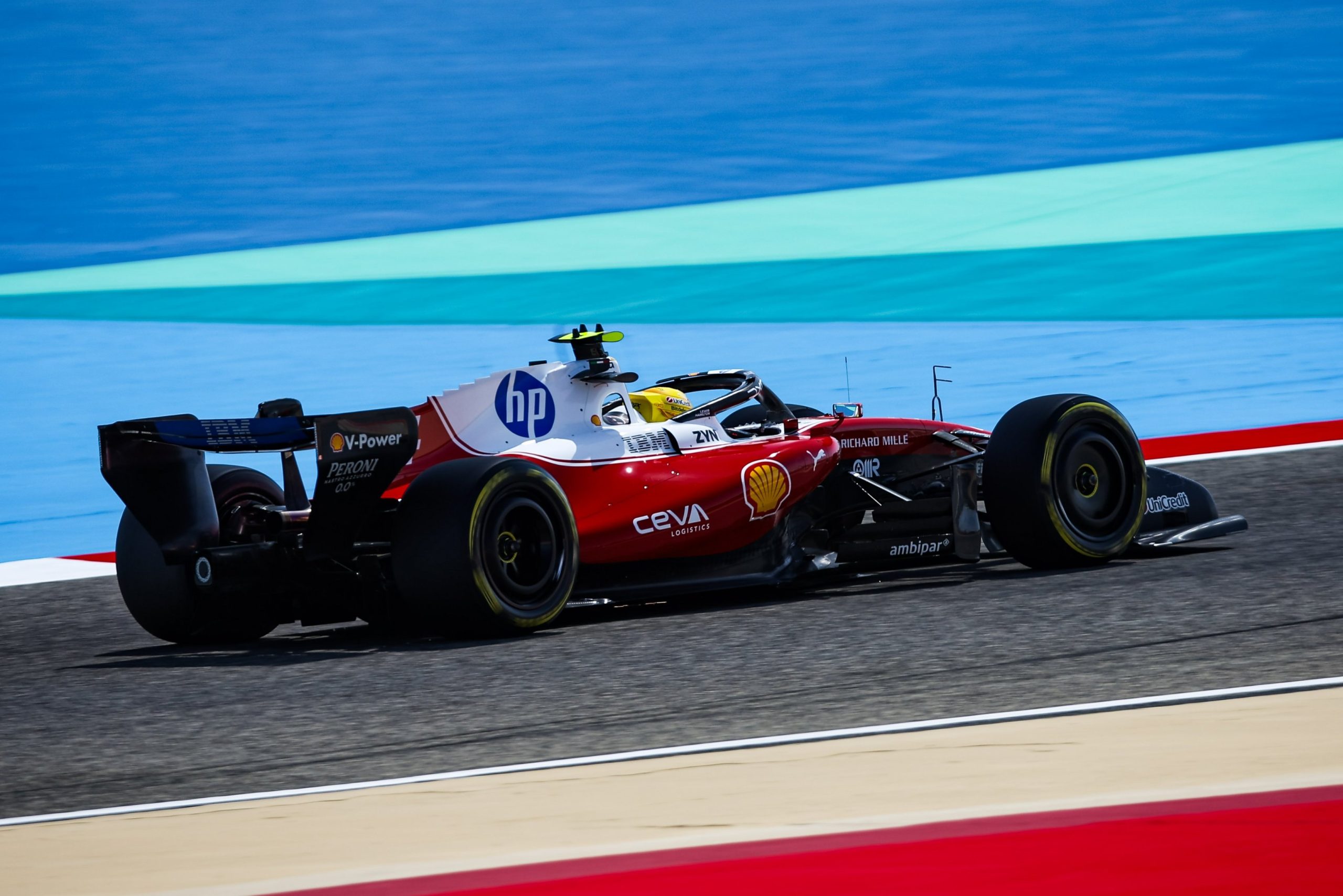
- Following a windy and challenging first morning of testing in Bahrain, where he spun and finished a second off the pace, Hamilton described the 2026 car's handling characteristics.
- He stated the car has "a lot less downforce," is shorter, lighter, and "easier to catch," comparing the feeling to "rallying a lot."
- On outright performance, he delivered a stark assessment: "I think we’re slower than GP2 right now... It does feel like that."
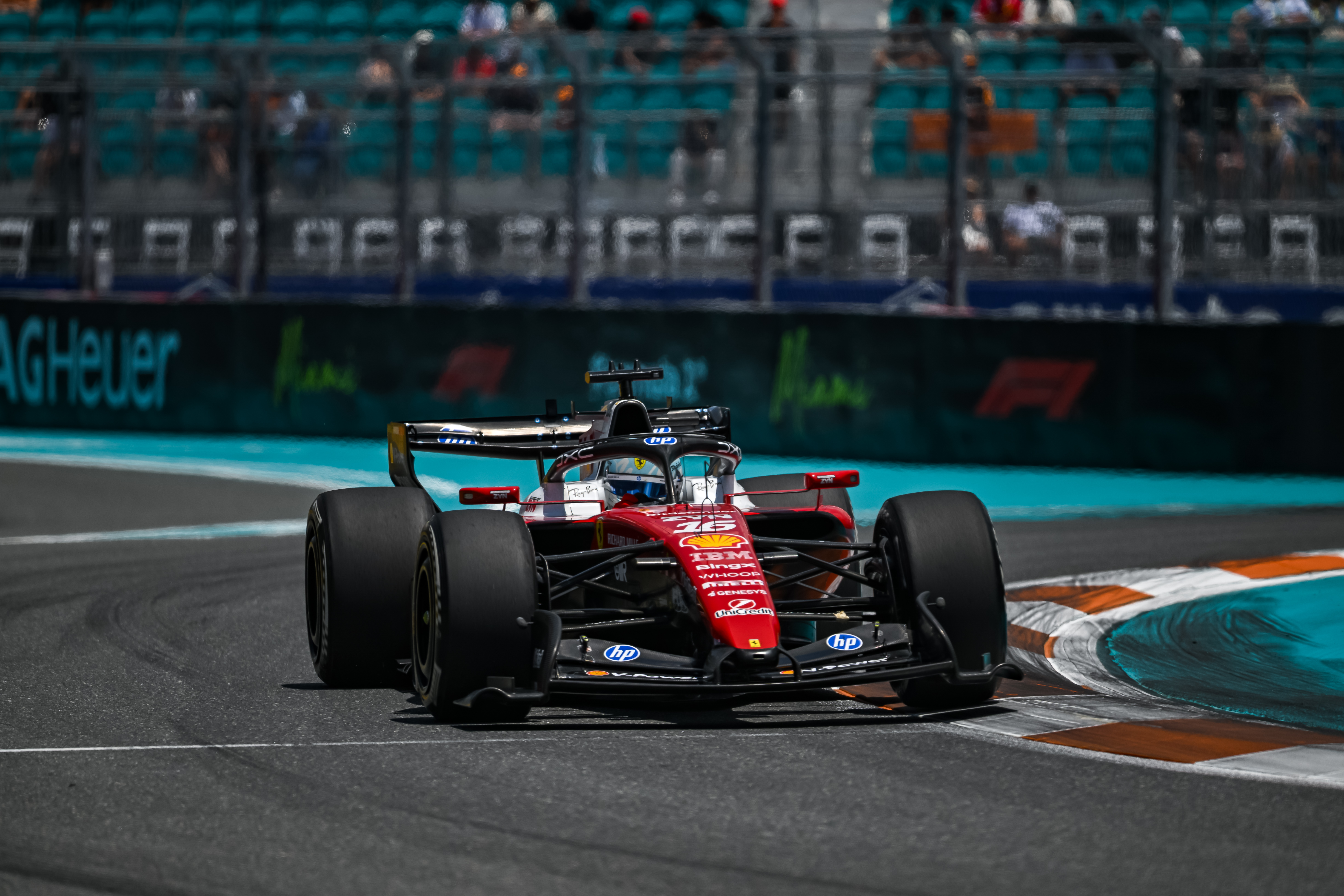
- Hamilton emphasized it is too early for definitive judgments on the Ferrari SF-26's suitability to his style, citing ongoing work on setup, tire optimization, and finding the car's operational window.
- His sharpest critique was reserved for the new energy recovery and management systems, which he called "ridiculously complex" and suggested a fan would struggle to understand.
- System Complexity: He remarked, "It’s like you need a degree to fully understand it all," though he noted the in-race management might be more straightforward.
- Hamilton explained the system uses algorithms that learn from driver behavior, such as locking up or running wide, adding another layer of complexity to master.
What's next:
Hamilton's initial review sets the stage for a critical development period. Teams will now focus on unlocking performance from the new packages and simplifying the complex systems for driver usability. The true test will come at the first race, where the balance between "fun" handling and competitive lap times will be judged not just by drivers, but by the fans whose understanding Hamilton is concerned about. All teams remain in the same learning phase, and the competitive order is yet to crystallize.
Don't miss the next lap
Get the deep dives and technical analysis from the world of F1 delivered to your inbox twice a week.
Zero spam. Only high-octane analysis. Unsubscribe anytime.
Join the inner circle
Get the deep dives and technical analysis from the world of F1 delivered to your inbox twice a week.
Zero spam. Only high-octane analysis. Unsubscribe anytime.