Hamilton Predicts Critical Driver Role in F1's 2026 Era
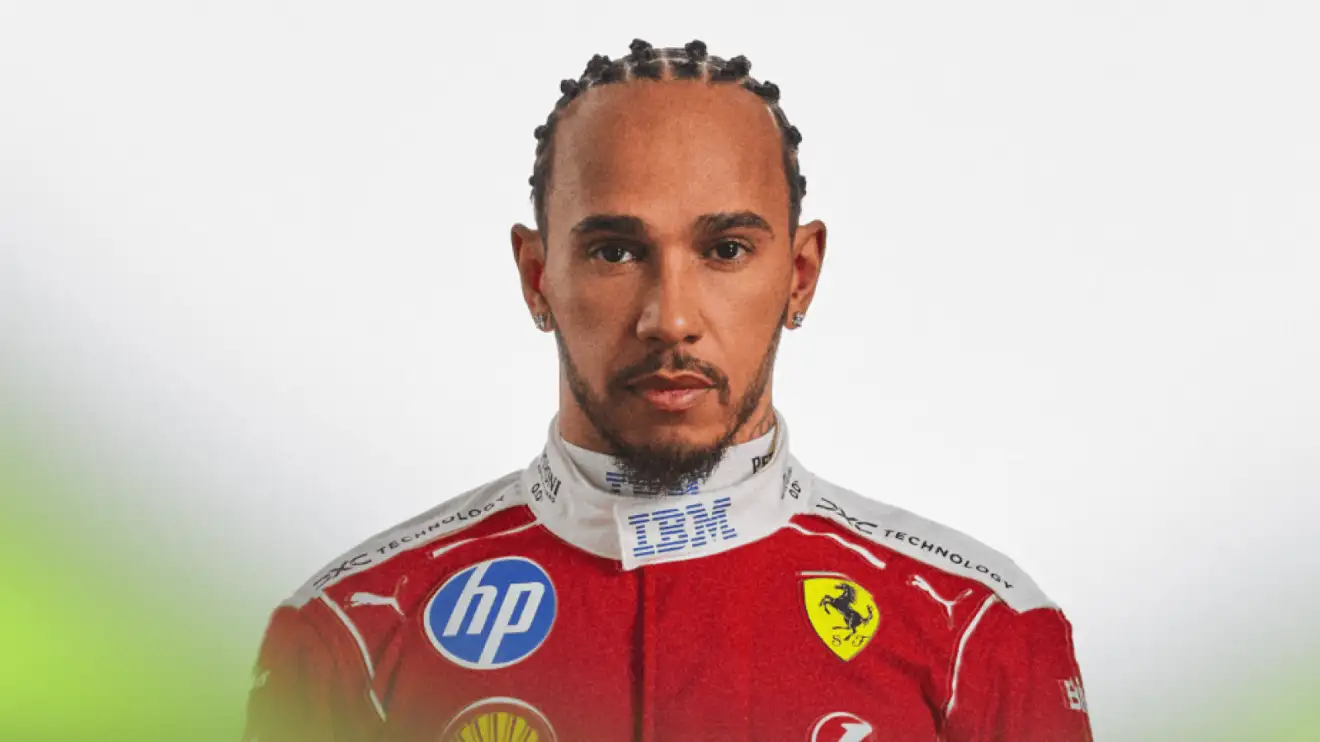
Lewis Hamilton anticipates a "critical" role for drivers in the 2026 F1 season, citing the massive regulatory shift involving active aerodynamics and complex power units as key factors that will demand new levels of technical efficiency and teamwork.
Lewis Hamilton believes the 2026 Formula 1 regulations will fundamentally alter the competitive landscape, placing a "critical" burden on drivers to master complex new technologies. With active aerodynamics and a significantly more electrified power unit entering the fray, the seven-time champion describes the upcoming era as the "most technical year" the sport has ever seen, requiring a shift in how drivers operate on track.
Why it matters:
This regulatory reset is arguably the most significant in modern F1 history, potentially leveling the playing field for teams that can interpret the rules better than their rivals. Success will no longer be solely about raw aerodynamic grip; it will hinge on the driver's ability to manage energy deployment efficiently and communicate precise feedback to engineers to unlock the car's full potential.
The details:
- Monumental Shift: Hamilton labels the regulation change as "monumental," noting that the entire grid starts from scratch. This creates a pure development race where the team that innovates fastest and rows in the same direction will gain the advantage.
- Active Aerodynamics: The introduction of moveable front and rear wings will drastically reduce drag on straights, significantly increasing top speeds. Hamilton views this as an evolution of the current DRS system but anticipates new challenges regarding overtaking behavior and cornering speeds.
- Power Unit Complexity: The new 50/50 electric and biofuel engines require precise energy management. Drivers must optimize power deployment per straight, recover energy efficiently, and navigate complex "derates" to maintain performance without overheating components.
- Driver Workload: Beyond just driving fast, competitors must act as "efficient operators." The role now demands meticulous saving of fuel, utilization of available grip, and real-time management of battery power to ensure the car is operating at its peak efficiency throughout the lap.
What's next:
As teams conduct shakedown runs in Barcelona, the focus is shifting toward the integration of man and machine. Hamilton, who will be adapting to a new race engineer following Riccardo Adami's internal role change at Ferrari, emphasizes that success in 2026 will depend entirely on seamless collaboration. The drivers who can best communicate their needs to help engineers navigate these technical extremes will likely define the next era of the sport.
Don't miss the next lap
Get the deep dives and technical analysis from the world of F1 delivered to your inbox twice a week.
Zero spam. Only high-octane analysis. Unsubscribe anytime.
Join the inner circle
Get the deep dives and technical analysis from the world of F1 delivered to your inbox twice a week.
Zero spam. Only high-octane analysis. Unsubscribe anytime.
Continue Reading
View More News