Hamilton sees Suzuka as Ferrari vs. Mercedes litmus test
Ahead of the Japanese GP, Lewis Hamilton anticipates another close fight with Ferrari, noting their similar cornering speed but identifying power deployment as the key battleground. The high-speed Suzuka circuit will test which team's 2026 development direction holds the advantage on a classic, flowing track.
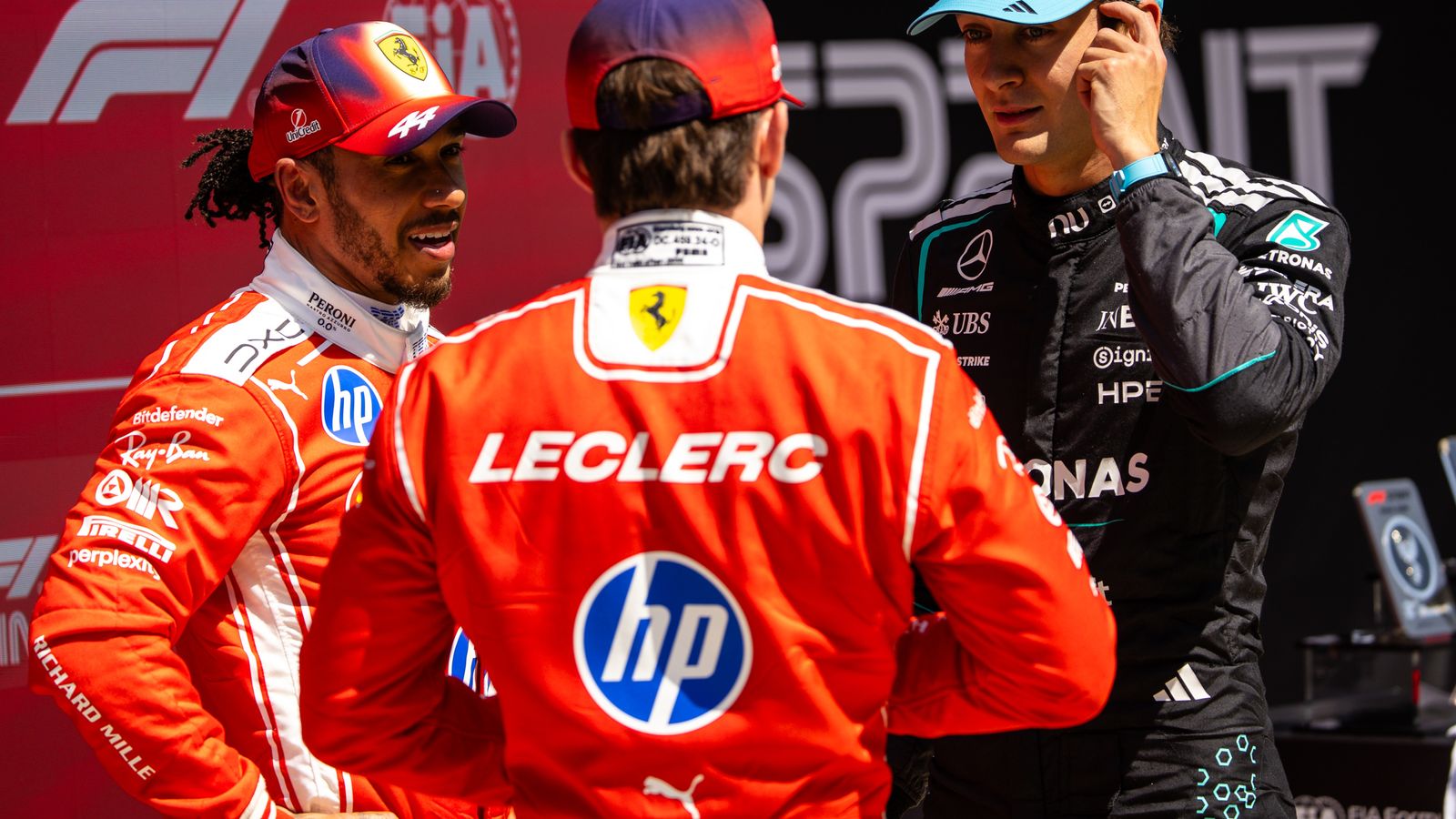
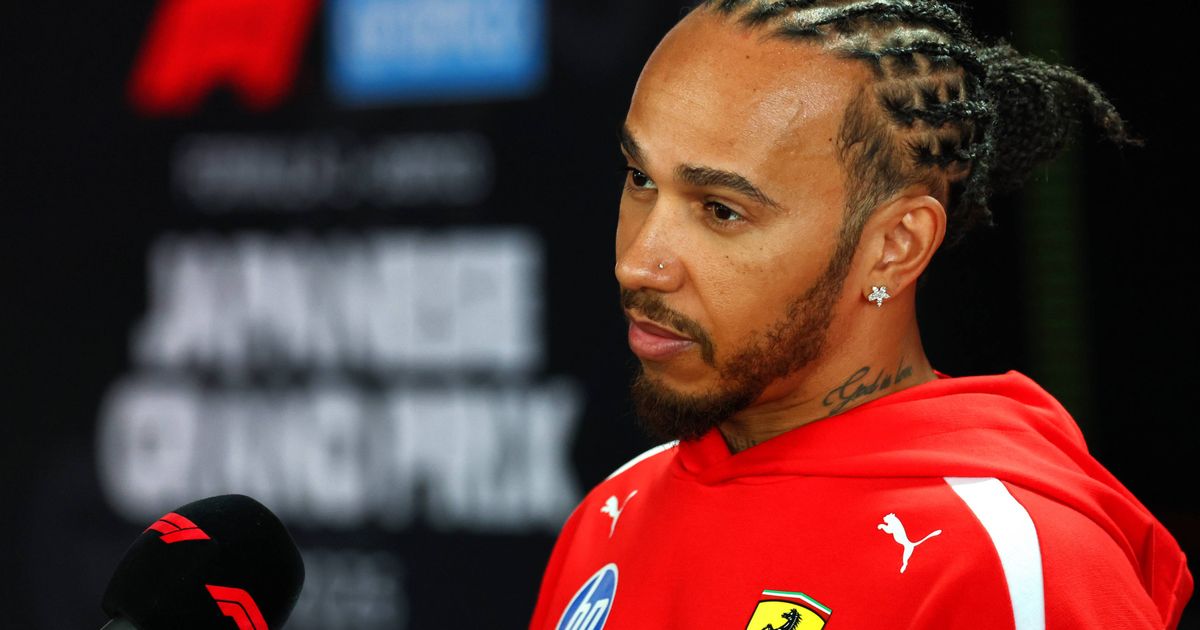
Lewis Hamilton predicts another tight battle between Ferrari and Mercedes at the Japanese Grand Prix, suggesting the iconic Suzuka circuit could be the ultimate test of their 2026 development paths. The seven-time champion noted their cars have "very similar speeds through the corners," but highlighted Ferrari's straight-line deployment as a key differentiator that could define the weekend.
Why it matters:
The opening races have established a clear narrative: Ferrari often secures an early advantage, only for Mercedes to fight back and win. Suzuka's unique, flowing high-speed layout, particularly the famous Esses sequence, is expected to heavily favor a car's aerodynamic efficiency and mechanical grip. This makes the Japanese GP a critical benchmark for understanding which team's fundamental car philosophy—and their development for the 2026 regulations—is better suited to a wider variety of circuits beyond the season openers.
The details:
- Hamilton provided a measured assessment, downplaying the idea that Ferrari could build an unassailable gap. He pointed to their closely matched cornering performance as evidence of the ongoing development war.
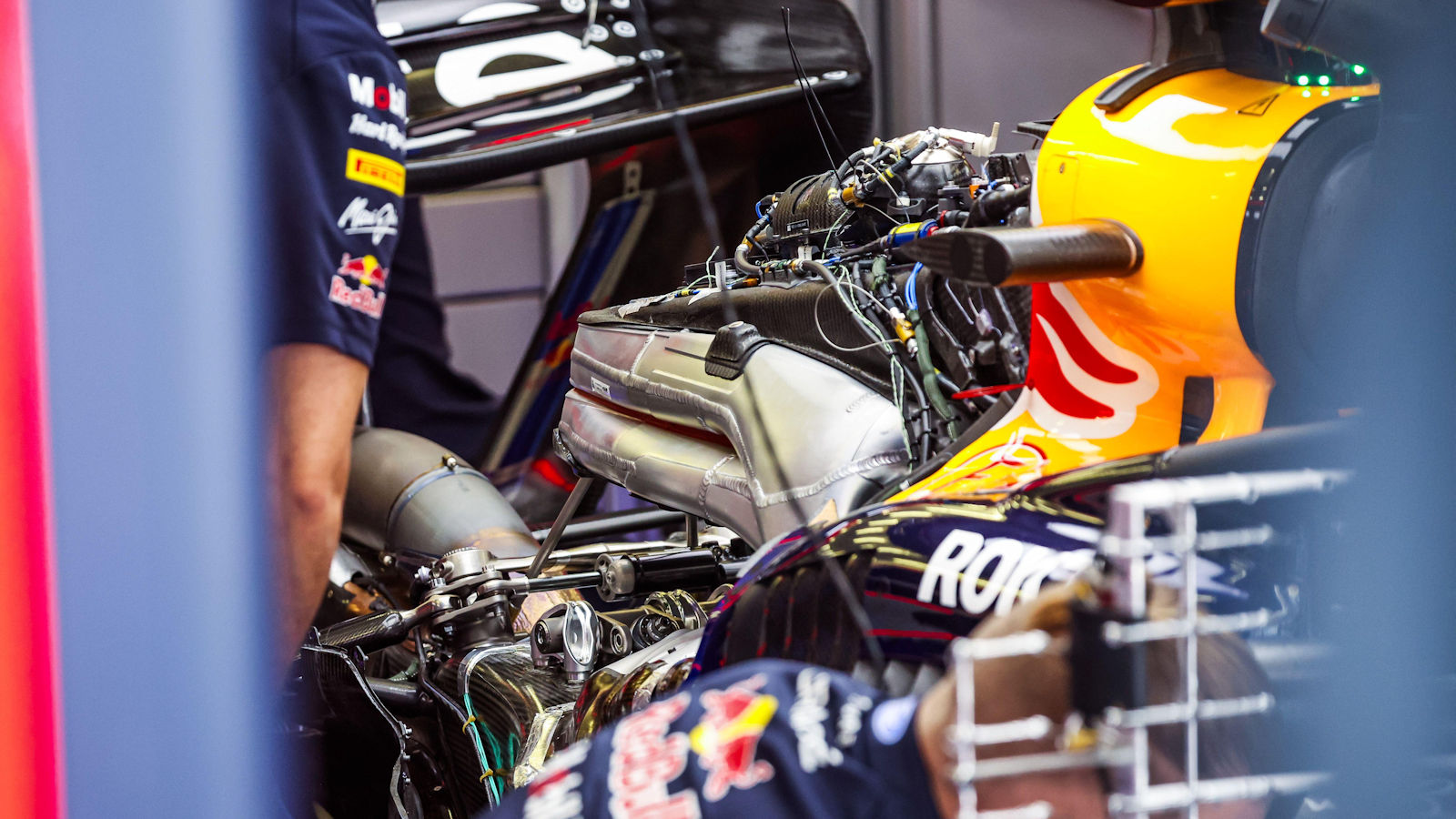
- The Brit identified power unit deployment, especially on Suzuka's long straights like the approach to the final chicane, as the likely deciding factor. "When they open up the assembly, they've been really strong," Hamilton said of Ferrari.
- Historical data from the season supports this view. In both opening races, Ferrari's qualifying pace and initial race stint were strong, but Mercedes demonstrated superior race management and strategic flexibility to secure victories.
- Suzuka's specific challenge lies in its high-speed corners, which require perfect aerodynamic balance and a stable platform. Teams that have focused on high-efficiency, low-drag concepts for 2026 may find their philosophy validated here.
What's next:
All eyes will be on the first practice sessions to see which team's car is kinder to its tires through the demanding Esses and Degner curves. The battle will likely hinge on three key factors: qualifying position on a track where overtaking is difficult, strategic tire choice in what is typically a one-stop race, and whose power unit deployment map is most effective on Suzuka's specific straights. The result will offer the clearest indication yet of whether Mercedes' fight-back capability is a permanent trait or if Ferrari's raw package can dominate a weekend from start to finish on a classic circuit.
Don't miss the next lap
Get the deep dives and technical analysis from the world of F1 delivered to your inbox twice a week.
Zero spam. Only high-octane analysis. Unsubscribe anytime.
Join the inner circle
Get the deep dives and technical analysis from the world of F1 delivered to your inbox twice a week.
Zero spam. Only high-octane analysis. Unsubscribe anytime.