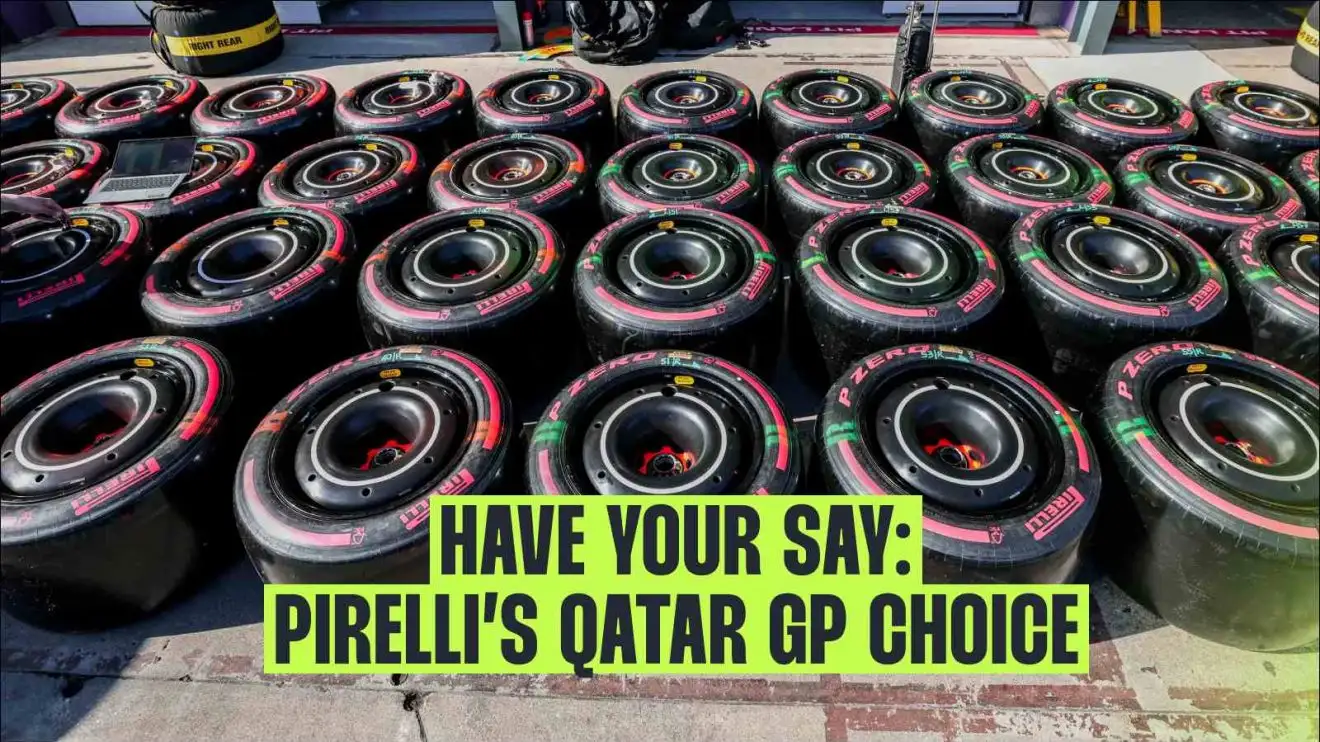
Pirelli's Qatar Tyre Stint Limit: Safety First or Unnecessary Intervention?
Pirelli has imposed a 25-lap stint limit for the Qatar Grand Prix due to tire wear concerns, making a two-stop strategy mandatory. This safety-driven decision, while preventing potential blowouts, sparks debate on whether it limits strategic flexibility and race excitement, forcing teams to adapt to a more rigid race plan for the demanding Lusail circuit.
Pirelli has mandated a 25-lap stint limit for the upcoming Qatar Grand Prix, effectively forcing a two-stop minimum strategy. This decision, aimed at addressing significant tire wear and safety concerns observed in previous events and 2024 tire analyses, has ignited a debate among fans and teams about whether safety should always take precedence over strategic flexibility.
Why it matters:
Pirelli's intervention profoundly impacts race strategy and driver tactics. By setting a strict lap limit per tire set, they are prioritizing driver safety and preventing potential blowouts or delamination, which were observed in last year's event. However, this also removes a significant variable from team strategies, potentially leading to more predictable race outcomes and less opportunity for unique, long-stint gambles.
The Details:
- Mandatory Stint Limit: Pirelli's technical directive enforces a maximum 25-lap usage for any set of tires during the Qatar Grand Prix weekend. This means every car must make at least two pit stops during the race.
- Precedent: The Lusail International Circuit previously saw similar restrictions in 2023 due to aggressive kerbs and high tire degradation, which forced a last-minute 18-lap stint limit.
- Reasoning: Pirelli, in agreement with the FIA and Formula 1, cited data from 2024 tire analyses revealing that tires, especially the front-left, reached maximum wear levels on the demanding Lusail track. The circuit's layout, featuring a combination of high-speed right-handers and fast lefts, places immense stress on the tires.
- Safety First: The official stance is that this measure is 'deemed necessary' for safety, aiming to prevent issues like tire delamination or blowouts that could endanger drivers.
Between the lines:
While safety is paramount in Formula 1, this decision highlights a recurring tension between ensuring driver well-being and maintaining strategic freedom for teams. On one hand, enforcing a hard limit removes the risk of teams pushing tires beyond safe parameters in pursuit of a competitive advantage. On the other, it curtails the strategic creativity that often makes races exciting, as teams can no longer attempt to nurse tires for extended periods to gain track position or save a pit stop.
What's next:
This decision will undoubtedly shape the strategic landscape of the Qatar Grand Prix, making it a test of pit stop efficiency and consistent pace rather than nuanced tire management. Teams will now focus on optimizing their two mandated pit stops and maximizing performance within the 25-lap window. The debate will likely continue as fans weigh the importance of safety against the desire for more dynamic and unpredictable racing scenarios.