Honda’s Position on 2026 Power‑Unit Targets and the Compression‑Ratio Debate
Honda races against a short schedule to ready its 2026 Aston Martin engine, tackling reliability testing, a new Aramco fuel partnership, and a compression‑ratio rule as it seeks competitiveness.
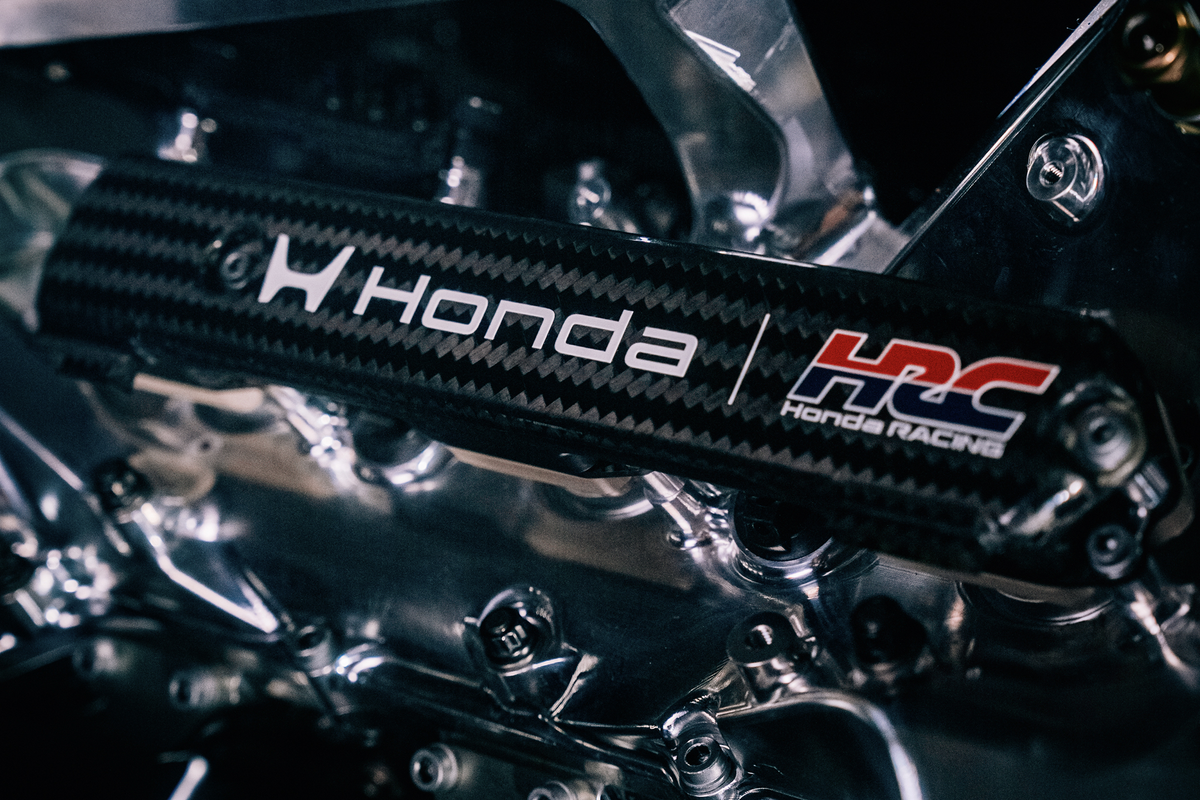
Honda Racing Corporation is racing against a very short timeline to finish reliability work on the 2026 power unit for Aston Martin. The new 50‑50 ICE‑electric rules demand a durable engine, a fresh fuel partnership with Aramco, and a clear answer to the emerging compression‑ratio controversy.
Why it matters:
A reliable, high‑efficiency unit is essential for Aston Martin to convert Adrian Newey’s aerodynamic concepts into podium finishes. In the 2026 era, engine efficiency will be a decisive factor in the championship hierarchy, making the power‑unit’s performance a linchpin for the team’s success.
The details:
- Timeline – Honda’s Sakura R&D began serious bench testing only after the May 2023 Aston Martin agreement, leaving a compressed window before pre‑season runs.
- Reliability push – Bench runs are moving toward on‑track validation at Barcelona, Bahrain and the season‑opening Melbourne GP.
- New partners – First‑time F1 fuel supplier Aramco and lubricant Valvoline are being integrated, adding chemistry variables to the power‑unit map.
- Compression‑ratio debate – The 2026 rule caps static compression at 16:1, down from 18:1. Honda claims Mercedes and Red Bull may be exploiting thermal expansion to exceed this limit, prompting an FIA meeting this week.
- Leadership – Aston Martin’s Andy Cowell (chief strategy officer) and Honda president Koji Watanabe coordinate development across Silverstone and Sakura.
What's next:
Honda plans vehicle‑level runs in Barcelona, two Bahrain outings, and a debut in Melbourne. CEO Toshihiro Mibe will seek FIA clarification on the compression‑ratio interpretation while the team works to meet its reliability and efficiency targets before the first race.
Don't miss the next lap
Get the deep dives and technical analysis from the world of F1 delivered to your inbox twice a week.
Zero spam. Only high-octane analysis. Unsubscribe anytime.
Join the inner circle
Get the deep dives and technical analysis from the world of F1 delivered to your inbox twice a week.
Zero spam. Only high-octane analysis. Unsubscribe anytime.
Continue Reading
View More News