Honda Seeks 'Magic' Fix to Avert Home GP Disaster with Aston Martin
Aston Martin and Honda are scrambling to fix debilitating power unit vibrations before the Japanese GP, after both cars retired in Australia and China. Fernando Alonso parked his car in Shanghai due to the physical discomfort, highlighting a crisis that risks a humiliating failure at Honda's home race. The team hopes a two-week break will yield a 'magic' solution.
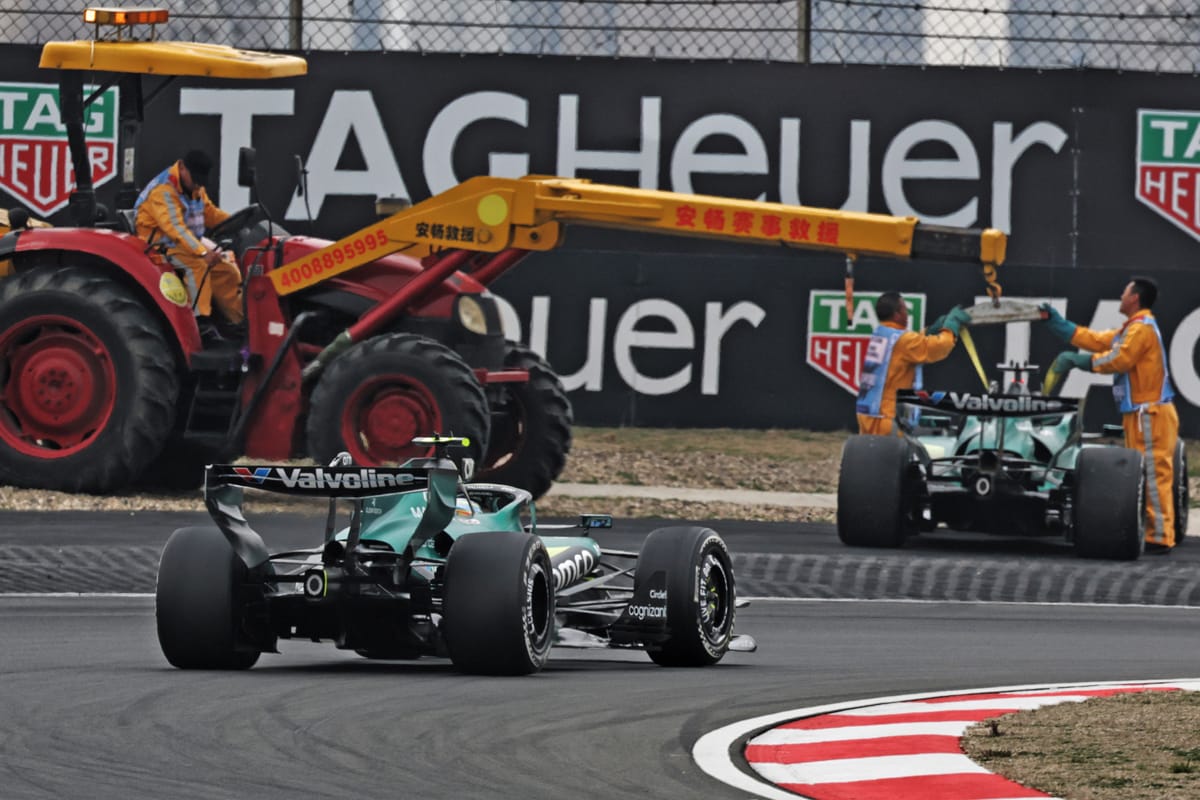
Aston Martin and Honda are in a desperate race against time to solve crippling power unit vibrations ahead of the Japanese Grand Prix, following two consecutive weekends where both cars failed to finish. Fernando Alonso retired from the Chinese GP citing unbearable physical discomfort from the shaking, underscoring a crisis that threatens a deeply embarrassing failure at Honda's home race.
Why it matters:
A disastrous performance at Suzuka would be a severe reputational blow for Honda, a legendary name in F1 returning as a full works partner. For Aston Martin, which invested heavily in this long-term partnership, ongoing reliability issues undermine the team's competitive rebuild and driver morale, with Alonso already hinting at his limits.
The details:
- The Core Problem: Severe vibrations, originating from the new power unit, are damaging critical components and making the car physically undriveable. The issue shakes the battery pack—causing failures—and transmits directly through the chassis to the driver.
- Temporary Mitigations, Not Fixes: Honda has made some progress, notably preventing immediate battery failure, but Alonso revealed this was achieved largely by running the engine at significantly lower RPMs, costing substantial performance.
- Driver Toll: Alonso's retirement in China was primarily due to the physical strain. He reported vibrations were "way too high" and was seen taking his hands off the wheel on straights to find relief before parking the car.
- Performance Deficit: The forced lower engine mode leaves the Aston Martin visibly slower on track, with Alonso being overtaken with ease by rivals on fresh tires during restarts.
- Honda's Assessment: Shintaro Orihara, Honda's trackside chief engineer, confirmed that while system vibrations have improved, driver comfort remains "a key area to address" for Japan.
What's next:
The team has a critical two-week break to find a solution before Suzuka.
- The 'Magic' Needed: Lance Stroll stated Suzuka will be tough "unless they can find some magic in the next 10 days." Honda's engineers are working flat-out, but a definitive fix timeline is uncertain.
- Silver Lining Pressure: The team believes isolating the vibration as the root cause is a positive. Honda has shown an impressive ability to rush through counter-measures, and the motivation to finish at its home race is immense.
- Realistic Outlook: Team principal Mike Krack is hopeful for further improvements but admitted the progress so far is not performance-related. Failure at Suzuka is a very real and painful possibility if a breakthrough isn't found.
Don't miss the next lap
Get the deep dives and technical analysis from the world of F1 delivered to your inbox twice a week.
Zero spam. Only high-octane analysis. Unsubscribe anytime.
Join the inner circle
Get the deep dives and technical analysis from the world of F1 delivered to your inbox twice a week.
Zero spam. Only high-octane analysis. Unsubscribe anytime.
Continue Reading
View More News