Honda targets Miami GP for permanent fix to Aston Martin's vibration woes
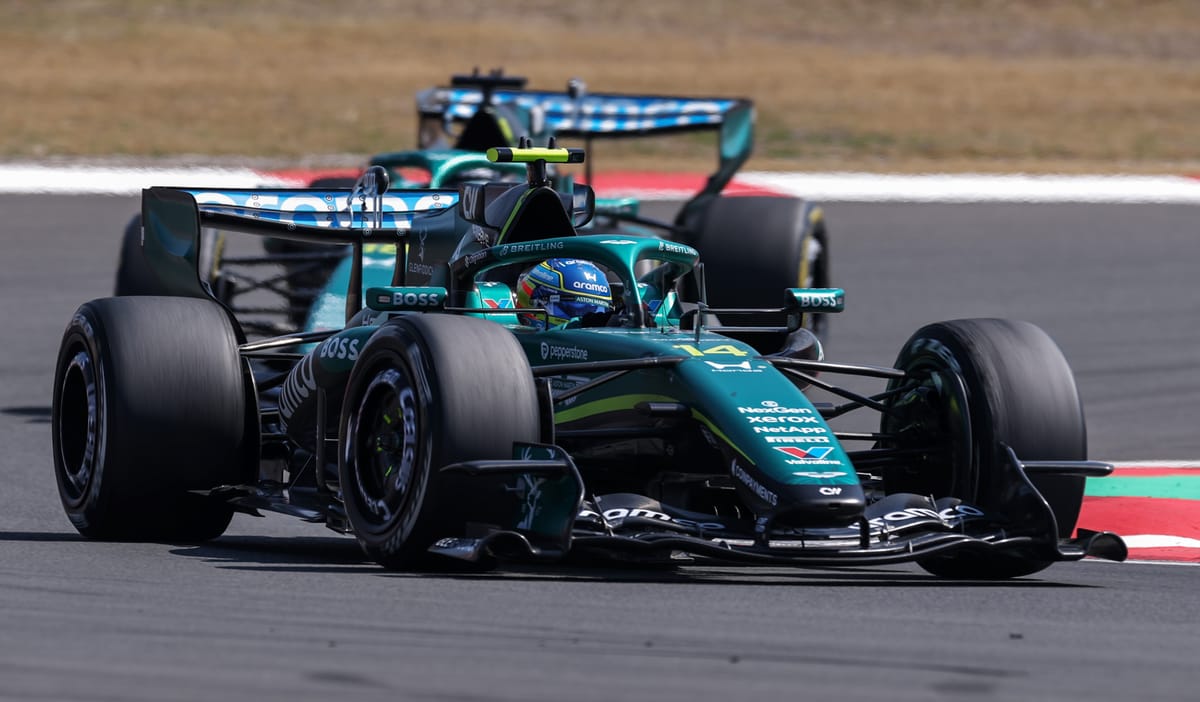
Honda is implementing another stopgap fix for Aston Martin's severe power unit vibration issues at the Japanese GP, with a more permanent reliability upgrade potentially coming as soon as Miami. The vibrations have prevented the team from scoring points this season and are so severe that drivers question their ability to complete a full race distance comfortably.
Honda has introduced another reliability countermeasure for this weekend's Japanese Grand Prix, with a more permanent fix potentially arriving at the Formula 1 race in Miami next month. The power unit's severe vibrations have sidelined Aston Martin's cars, leaving the team without a classified finish in the opening two races and forcing Fernando Alonso to retire in China due to driver discomfort.
Why it matters:
The ongoing reliability crisis threatens to derail Aston Martin's entire season, as the team cannot score points if its cars cannot finish races. For Honda, a manufacturer with a storied F1 history, persistent power unit issues damage its technical reputation and partnership with a works team aiming for the front of the grid.
The Details:
- The core issue is serious engine vibrations that initially damaged batteries beyond repair, leaving the team without spares early in the season.
- While progress has been made in protecting the battery from these vibrations, the physical sensation transmitted through the chassis to the drivers remains a critical problem.
- For the Japanese GP, Honda has implemented further short-term changes, with trackside boss Shintaro Orihara stating the team now fully understands the failure that caused Lance Stroll's retirement in China and is "confident" in its battery reliability.
- Aston Martin is also testing a car-side adjustment at Suzuka aimed at mitigating the vibrations felt by the drivers, particularly through the steering wheel.
- Driver Lance Stroll suggested the current vibrations are only tolerable for about half a race distance, corroborated by Alonso's retirement shortly after mid-distance in Shanghai.
What's next:
The focus now shifts to a potential long-term solution. The April break without a race provides a crucial window for analysis.
- Honda has confirmed it can introduce a reliability upgrade if needed, with the Miami Grand Prix in early May being a realistic target for a first specification change.
- Such upgrades require FIA permission but are separate from performance development, which is restricted under F1's current rules.
- The team and manufacturer will use this time to evaluate the timeline for a comprehensive fix to the driver comfort issue, which is paramount for completing full race distances competitively.
Between the lines:
The situation highlights a delicate balance between performance and reliability. Alonso's retirement in China—where he was seen flexing his hands and even briefly driving no-handed into a braking zone—was a strategic decision by the team when no points were possible, suggesting the car could have continued. This indicates the immediate priority is making the car drivable for full races when points are on the table, not just making it to the checkered flag at all costs. The team's internal review and proactive countermeasures show an attempt to manage the crisis before external scrutiny or regulatory intervention arises.
Don't miss the next lap
Get the deep dives and technical analysis from the world of F1 delivered to your inbox twice a week.
Zero spam. Only high-octane analysis. Unsubscribe anytime.
Join the inner circle
Get the deep dives and technical analysis from the world of F1 delivered to your inbox twice a week.
Zero spam. Only high-octane analysis. Unsubscribe anytime.
Continue Reading
View More News