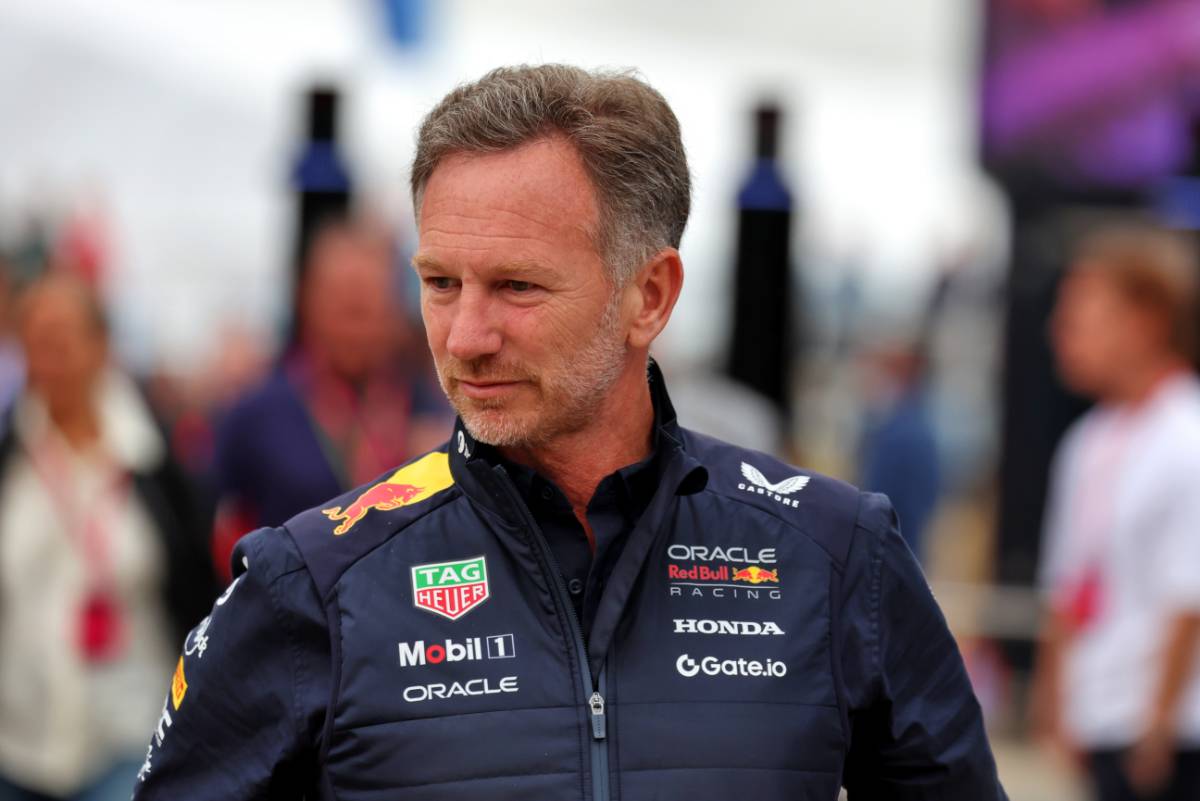
Horner blames Red Bull management, not Verstappens, for his exit
Christian Horner breaks his silence, revealing his Red Bull exit was a corporate power play by CEO Oliver Mintzlaff and Helmut Marko, not a move by the Verstappens. He describes a sudden, painful ousting linked to the power vacuum after founder Dietrich Mateschitz's death.
In a candid preview of Netflix's Drive to Survive, former Red Bull team principal Christian Horner has broken his silence on his dramatic departure, absolving Max and Jos Verstappen of any responsibility and instead pointing the finger squarely at the team's corporate leadership. He describes his ousting as a sudden, painful corporate decision following the death of founder Dietrich Mateschitz.
Why it matters:
Horner's account provides the first direct insight into the power struggle that reshaped Formula 1's most dominant team. His narrative shifts the blame from the driver camp—a popular fan theory—to the boardroom, highlighting the fragile internal politics that can destabilize a championship-winning operation. This revelation impacts the perception of team stability and the future dynamics within Red Bull Racing.
The details:
- Horner reveals his exit after the 2024 British GP was abrupt, leaving him no chance for a proper goodbye. He describes being presented with a "s**t sandwich" and feeling a profound sense of loss and hurt.
- He explicitly clears the Verstappen family, stating, "I don’t believe that the Verstappens were responsible in any way." He acknowledges Jos Verstappen was never his supporter but frames him as an outspoken bystander, not the architect of his removal.
- The Real Culprits: Horner identifies the decision-makers as Red Bull CEO Oliver Mintzlaff, advised by longtime consultant Helmut Marko. He frames his departure as a direct consequence of the power vacuum created by Dietrich Mateschitz's death.
- The Root Cause: In Horner's view, his downfall resulted from having "too much control" in the post-Mateschitz era. The very autonomy that fueled Red Bull's success became a liability under new management seeking to consolidate power.
- He admits the team's 2025 performance dipped but maintains he always gave his best for the team.
The big picture:
Horner's story is a classic tale of corporate restructuring overtaking sporting success. It underscores how a team's foundation can be rocked not by on-track failure, but by off-track governance changes after the loss of a foundational figure like Mateschitz. The episode reveals the complex interplay between sporting leadership and corporate ownership in modern F1, where boardroom agendas can override decades of team-building success.
What's next:
While Horner is now officially on the sidelines, his revelations keep him in the F1 conversation, potentially influencing the public narrative around Red Bull's internal health.
- His candid comments in Drive to Survive will fuel further scrutiny of the team's management structure and the relationship between the Verstappen camp and the new leadership.
- The focus now shifts to how the team, under its current leadership, will navigate the ongoing technical regulations and maintain its competitive edge without the architect of its most successful era.
Don't miss the next lap
Get the deep dives and technical analysis from the world of F1 delivered to your inbox twice a week.
Zero spam. Only high-octane analysis. Unsubscribe anytime.
Join the inner circle
Get the deep dives and technical analysis from the world of F1 delivered to your inbox twice a week.
Zero spam. Only high-octane analysis. Unsubscribe anytime.