Horner reveals he didn't choose Lawson's Red Bull demotion
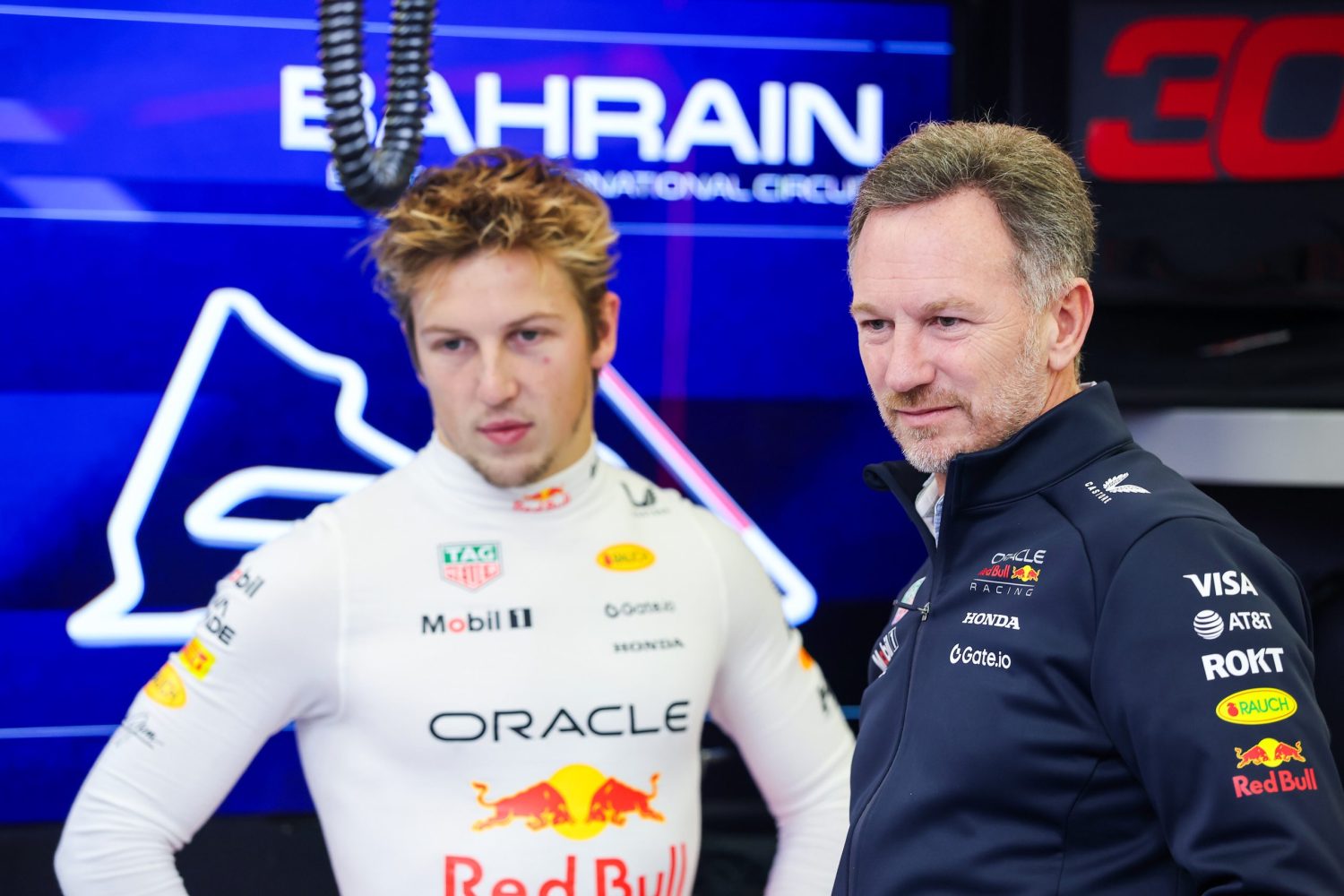
Christian Horner says the call to demote Liam Lawson from Red Bull last year wasn't his, attributing it to Helmut Marko. Despite the abrupt change, Lawson has shared that Max Verstappen was exceptionally supportive behind the scenes, offering a glimpse into Red Bull's internal dynamics and driver relationships.
Christian Horner has publicly stated that the decision to replace Liam Lawson with Yuki Tsunoda at Red Bull Racing last season was not his, pointing to internal pressure from Helmut Marko and the Young Driver Programme. Meanwhile, Lawson has praised Max Verstappen for his unexpected support during the tumultuous period, revealing a collaborative side to the champion rarely seen by the public.
Why it matters:
This admission sheds light on the complex and often contentious power dynamics within Red Bull's leadership, highlighting how driver decisions can be influenced by factors beyond the team principal's direct control. It also underscores the high-pressure, transactional nature of the Red Bull driver system, where promising talents like Lawson can be promoted and demoted rapidly based on internal agendas.
The details:
- In the upcoming season of Drive to Survive, Horner explicitly said, "It wasn't my choice. I was always pushed to take drivers from the Young Driver Programme. Helmut was a big driver in it," confirming Marko's central role in the mid-2023 driver swap.
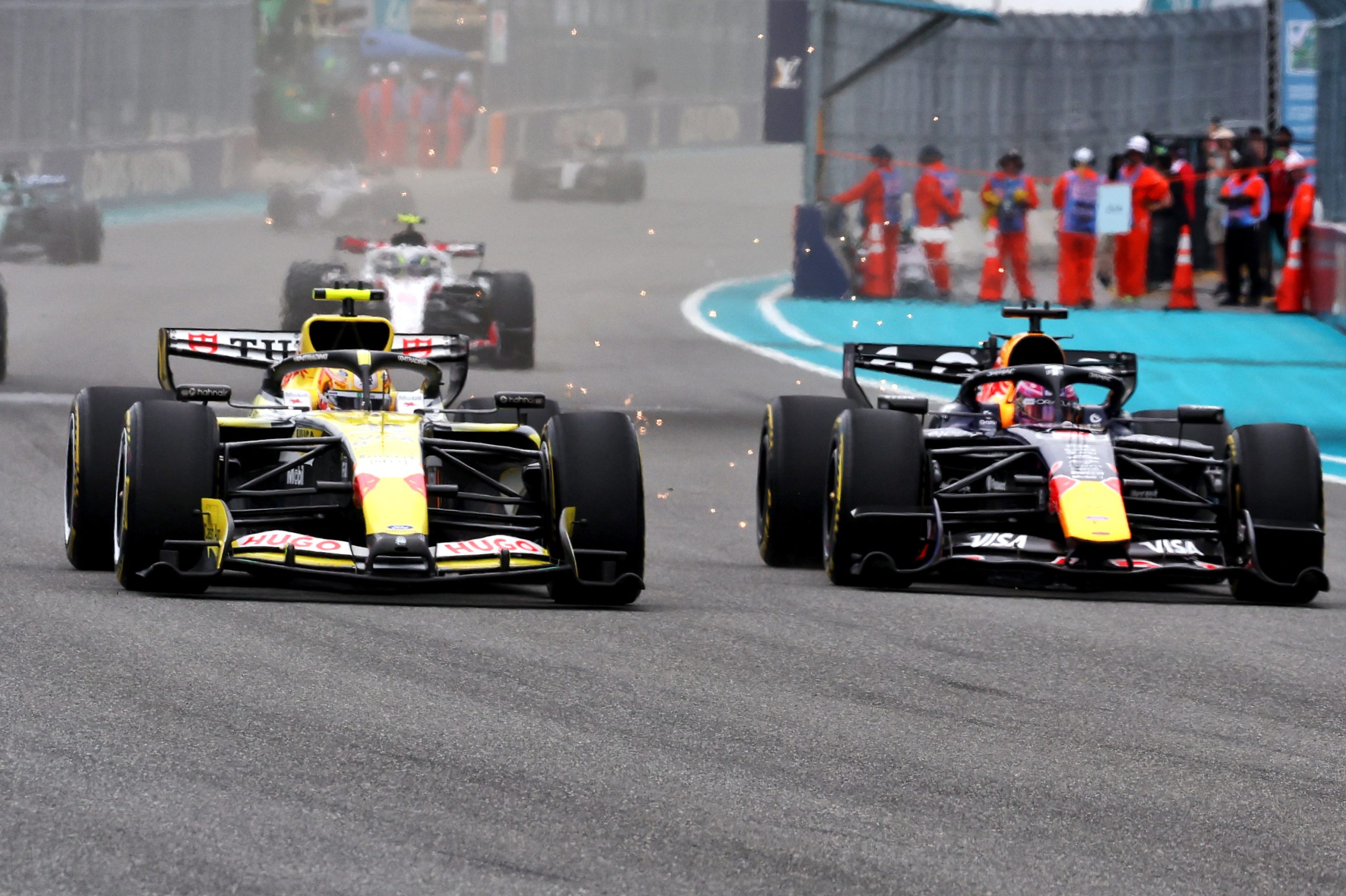
- Lawson, who had replaced Sergio Perez for only two race weekends, was moved back to what was then AlphaTauri (now Racing Bulls) ahead of the Japanese Grand Prix, a sudden move that surprised many in the paddock.
- Verstappen's Role: Contrary to his intense competitor image, Lawson described Verstappen as "such a nice guy" who was "really, really good" to him, offering help with integration and even personal travel.
- Horner reflected on his eventual departure after 20 years, calling his tenure "an epic journey," in a comment that frames the Lawson decision as part of the broader internal shifts that led to his exit.
Between the lines:
Horner's revelation is more than just setting the record straight on a single driver decision; it's a pointed commentary on the internal struggle for control at Red Bull that ultimately contributed to his own ousting. The juxtaposition of corporate maneuvering against Lawson's positive personal experience with Verstappen paints a picture of a team where garage camaraderie exists independently of boardroom politics. This episode serves as a case study in how Red Bull's much-vaunted driver development program can sometimes create friction with the operational leadership of its flagship team.
Don't miss the next lap
Get the deep dives and technical analysis from the world of F1 delivered to your inbox twice a week.
Zero spam. Only high-octane analysis. Unsubscribe anytime.
Join the inner circle
Get the deep dives and technical analysis from the world of F1 delivered to your inbox twice a week.
Zero spam. Only high-octane analysis. Unsubscribe anytime.