How Formula 1 Conquered America: A Decade of Growth
In just ten years, Formula 1 has achieved a remarkable breakthrough in the United States, evolving from a single race to a three-event spectacle with record crowds and TV ratings. This transformation was driven by Liberty Media's strategic ownership, the game-changing impact of Netflix's 'Drive to Survive,' and the upcoming entry of the Cadillac factory team, securing F1's future as a major American sport.
Formula 1 has transformed from a niche sport into a mainstream phenomenon in the United States over the past decade, marked by three annual races, record-breaking viewership, and the arrival of a second American team, Cadillac, in 2026. This explosive growth, fueled by strategic ownership, accessible broadcasting, and pop culture penetration, represents one of modern sports' most successful market expansions.
Why it matters:
The American market's embrace of F1 is a financial and cultural game-changer for the sport, providing a massive new revenue stream and fanbase. This success validates Liberty Media's growth-focused strategy and secures the championship's global commercial future, while also inspiring a new generation of American engineers, drivers, and fans.
The Details:
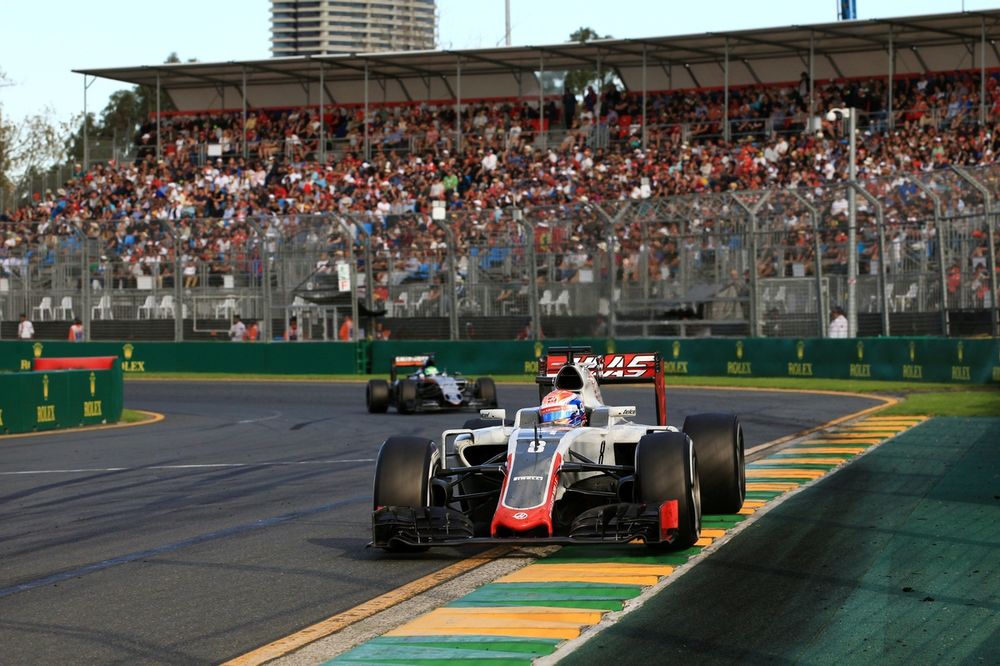
- Team Entry (2016): Haas F1 Team became the first American constructor in decades, entering with a unique model of purchasing key components from Ferrari to focus on racing operations.
- Media Acquisition (2017): Liberty Media's purchase of Formula 1 explicitly targeted the U.S. as a key growth market with "untapped opportunities."
- Broadcast Deal (2018): F1 returned to ESPN with a multi-year deal, offering live coverage of every race and dramatically increasing accessibility for American audiences.
- Cultural Breakthrough (2019): Netflix's Drive to Survive documentary series debuted, providing unprecedented behind-the-scenes drama and serving as the primary catalyst for attracting millions of new, casual fans.
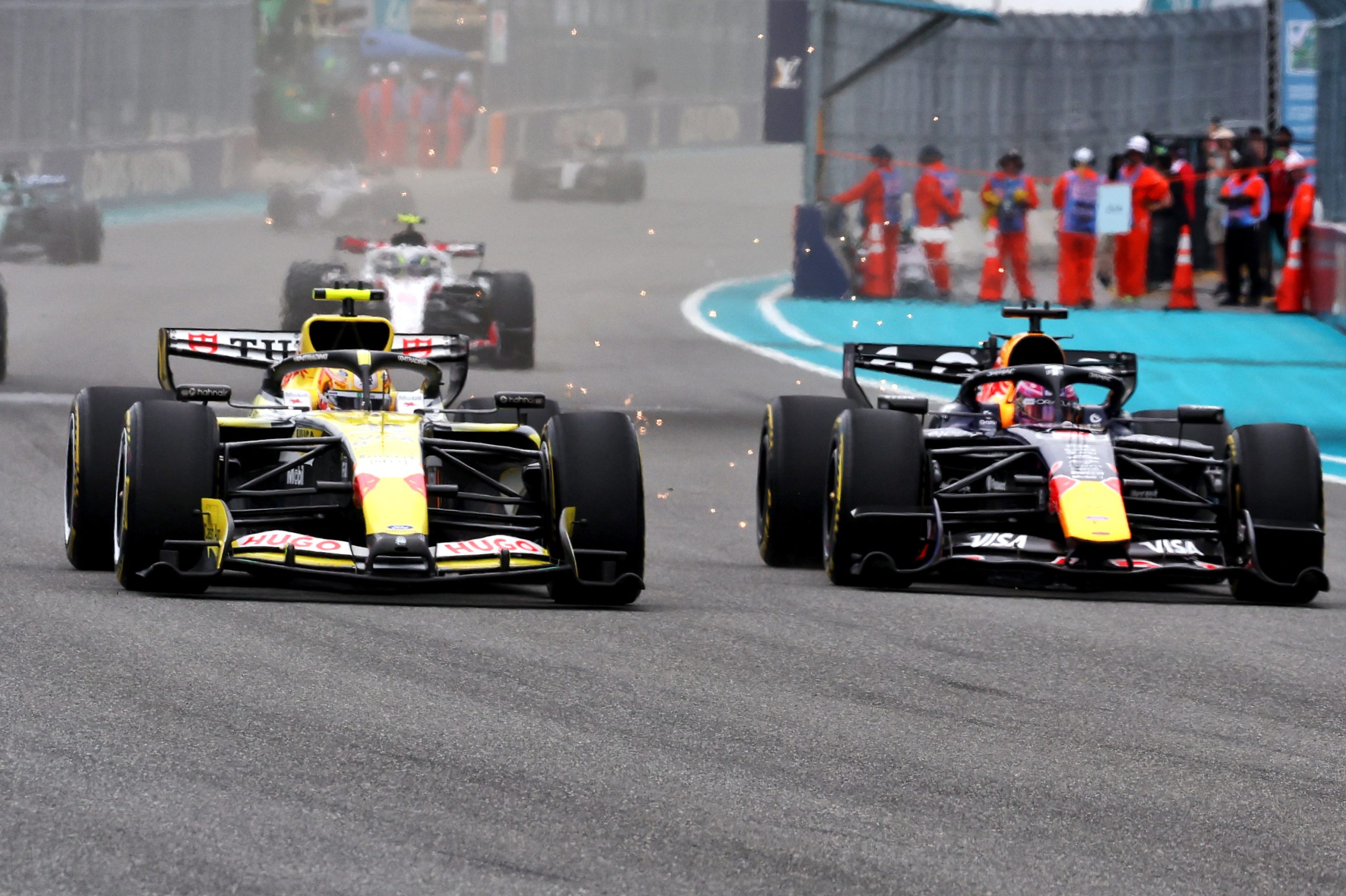
- Event Expansion: The calendar grew from one U.S. race (Circuit of the Americas, Austin) to three with the additions of the Miami Grand Prix (2022) and the Las Vegas Grand Prix (2023).
- Record Engagement: The U.S. Grand Prix set attendance records, surpassing 400,000 spectators in 2024, while TV viewership on ESPN peaked at 3.1 million for the 2024 Miami GP.
- Driver and Team Growth: Logan Sargeant became the first American driver since 2007 (2023-2024), and Cadillac's formal entry for 2026 will bring the grid to 11 teams.
- Long-Term Security: All three U.S. races secured long-term contract extensions, with Miami locked in until 2041, Las Vegas until 2027, and Austin until 2034.
- Broadcast Evolution: After eight seasons on ESPN, U.S. broadcasting rights will move to Apple TV starting in 2026, signaling the next phase of digital-focused distribution.
What's next:
The foundation built over the past decade sets the stage for F1's next chapter in America. The focus now shifts to sustaining this momentum. The success of Cadillac's factory-backed effort will be a major test of American technical prowess, while Apple's takeover of broadcasting aims to integrate F1 into the streaming ecosystem for a younger demographic. The challenge will be maintaining fan interest beyond the initial Drive to Survive-fueled boom and cultivating a deep, lasting connection with the American sporting landscape.
Don't miss the next lap
Get the deep dives and technical analysis from the world of F1 delivered to your inbox twice a week.
Zero spam. Only high-octane analysis. Unsubscribe anytime.
Join the inner circle
Get the deep dives and technical analysis from the world of F1 delivered to your inbox twice a week.
Zero spam. Only high-octane analysis. Unsubscribe anytime.