How Formula 1's 2026 Rules Could Still Be Saved
F1's 2026 regulations face a crisis after three races, with drivers condemning the excessive energy management that hampers skill and creates safety risks. The FIA is now evaluating changes, from boosting combustion engine power to radical overhauls, to save the season's competition.
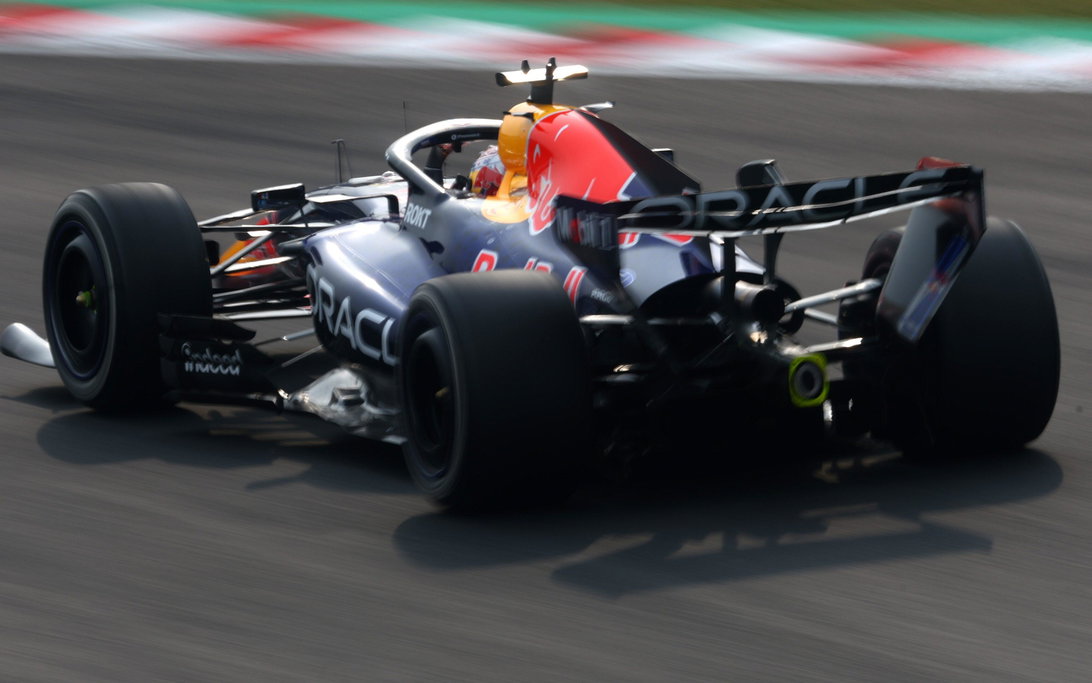
Following the first three races of the 2026 season, Formula 1's new technical regulations are under fire from drivers and fans for compromising the sport's core DNA and creating dangerous speed differentials. In response to a major crash and mounting criticism, the FIA has announced it will hold meetings in April to evaluate the rules and discuss potential changes for the good of the sport and safety.
Why it matters:
The 2026 regulations, built around a 50/50 hybrid power split, have fundamentally altered how drivers compete. The constant need to manage and harvest electrical energy is seen as a form of remote control, diminishing driver skill and creating unpredictable on-track behavior that confuses fans and raises legitimate safety concerns after Oliver Bearman's high-G crash in Japan.
The Details:
- Driver Criticism is Widespread: Top drivers like Charles Leclerc and Fernando Alonso have blasted the new formula, stating it punishes driving at the limit and turns fast corners into "charging stations."
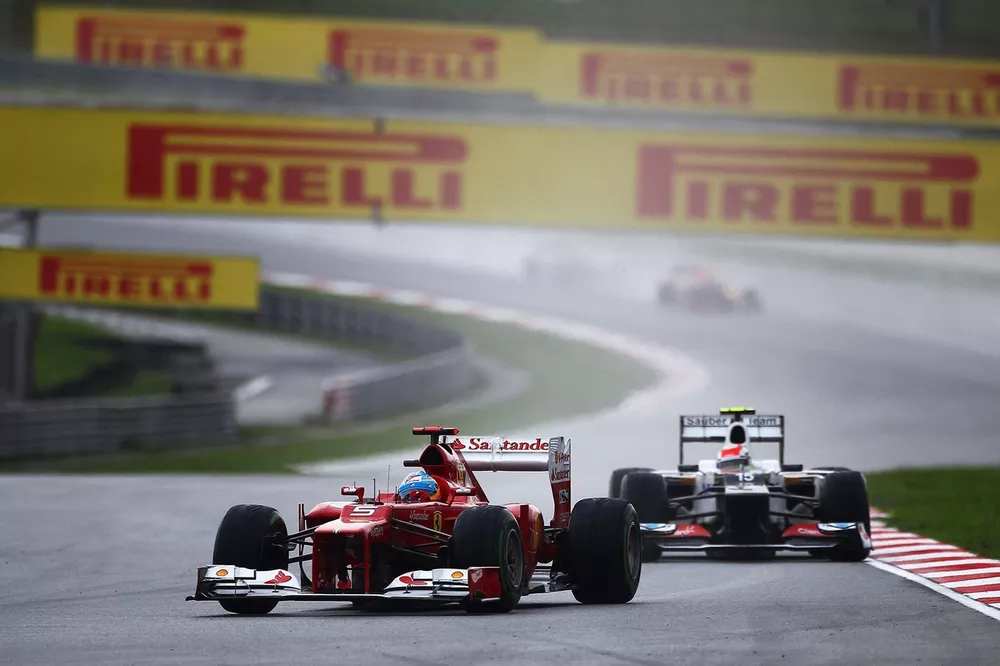
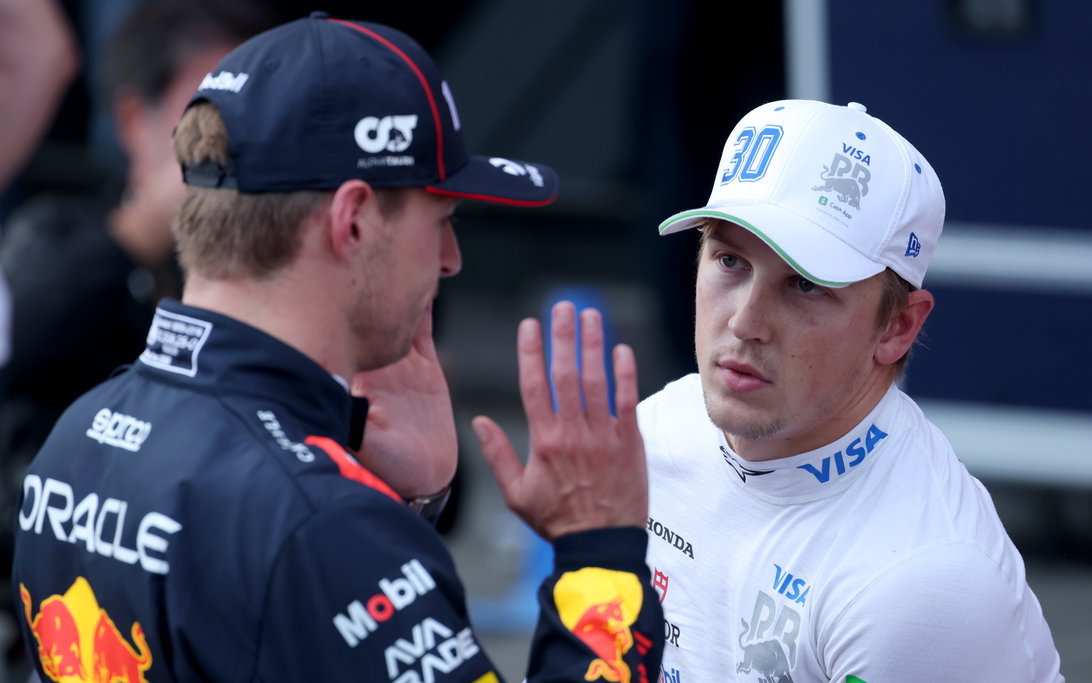
- A Safety Incident Highlights the Flaw: The crash involving Oliver Bearman and Franco Colapinto was directly linked to energy management. Colapinto was harvesting energy at a significantly reduced speed on a straight when Bearman approached at full pace, creating a dangerous and unprecedented speed delta.
- The Core Problem: With half the car's power coming from the battery, drivers are slaves to a pre-programmed energy script. Challenging corners are neutered as drivers must lift and coast to recharge, leading to unnatural and confusing racing.
- FIA Response: The governing body has acknowledged the issues, scheduling April meetings to review the regulations' functionality and discuss adjustments.
What's next:
Several technical adjustments are on the table for discussion to salvage the 2026 formula before the season is irreparably damaged.
- Reducing Electrical Power: Cutting the max electrical output from 350kW could extend battery life and reduce the need for constant management.
- Tweaking Energy Recovery: Lowering the recoverable energy per lap or increasing the recovery rate are options, each with trade-offs in performance or safety.
- Boosting the Combustion Engine: A simpler solution may be to increase the power output of the internal combustion engine (ICE), effectively reducing the reliance on the complex electrical system. Insiders suggest the current engines could be tuned to 700-800 HP with relative ease.
- A Radical Proposal: One suggested overhaul is to ban artificial "lift-and-coast" harvesting entirely, allowing energy recovery only through the brakes. The ICE would be strengthened, and electrical power could become a constant, moderate boost or a limited-use KERS-style system, putting strategic control and driving skill firmly back in the driver's hands.
The coming weeks of discussion will determine if the FIA and F1 choose incremental fixes or a more fundamental rethink to restore driver agency and clarity to the sport.
Don't miss the next lap
Get the deep dives and technical analysis from the world of F1 delivered to your inbox twice a week.
Zero spam. Only high-octane analysis. Unsubscribe anytime.
Join the inner circle
Get the deep dives and technical analysis from the world of F1 delivered to your inbox twice a week.
Zero spam. Only high-octane analysis. Unsubscribe anytime.
Continue Reading
View More News