How Red Bull's Calculated Risks Led to Verstappen's Brazilian GP Recovery
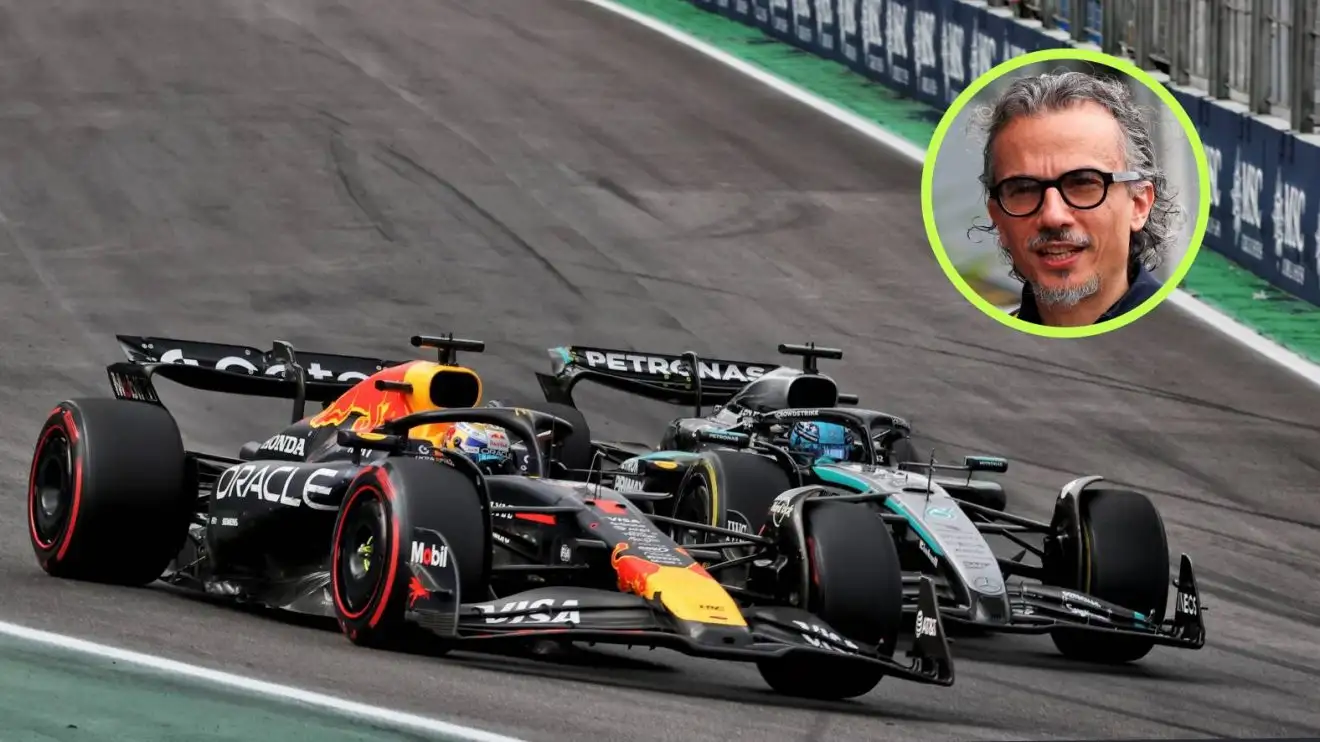
Max Verstappen's remarkable podium finish at the Brazilian Grand Prix came after Red Bull took extreme, calculated risks with his car's setup. Following a disastrous Q1 exit, the team broke parc ferme rules to overhaul his RB21 overnight, starting him from the pit lane. Red Bull boss Laurent Mekies emphasized that this risk-taking philosophy, even when it backfires, is essential for their pursuit of victory and a key part of their learning process, ultimately transforming their challenging weekend into a success.
Max Verstappen staged a remarkable recovery at the Brazilian Grand Prix, climbing from a pit lane start to a podium finish, thanks to Red Bull's bold setup gambles. After a dismal qualifying that saw him knocked out in Q1, the team completely revamped his RB21 overnight, a decision that ultimately paid off handsomely.
Why it matters:
Red Bull's willingness to take extreme setup risks, even in the face of parc ferme regulations, highlights their aggressive approach to maximizing performance. This strategy, though sometimes leading to setbacks, is a core part of their DNA and critical for a team aiming to consistently compete for wins. Verstappen's recovery not only salvaged a strong result but also demonstrated the team's ability to learn and adapt under pressure, a trait essential for championship contention.
The details:
- Initial Struggles: The Sprint weekend format at Interlagos, with limited practice time, immediately put Red Bull on the back foot. The RB21 lacked balance, leading to Verstappen qualifying sixth and finishing fourth in the Sprint, unable to challenge the frontrunners.
- Qualifying Disaster: Ahead of main qualifying, Red Bull made another significant setup change, which backfired spectacularly. Verstappen described the car as having "no grip," resulting in a shocking Q1 exit and a P16 starting position.
- Overnight Overhaul: With nothing to lose, Red Bull broke parc ferme rules. They performed a full setup change and fitted a new Honda power unit, incurring a pit lane start penalty.
- Podium Recovery: Despite starting from the pit lane, Verstappen showcased incredible pace, not only achieving a podium finish but briefly looking capable of challenging for the win, finishing just 10 seconds behind the race winner.
- Laurent Mekies' Explanation: Red Bull boss Laurent Mekies stated that taking calculated risks is fundamental to their racing philosophy. He acknowledged the qualifying misstep but emphasized that the desire to win necessitates such gambles.
- Learning from Mistakes: Mekies highlighted that the "dark moment" of qualifying provided invaluable lessons. The team's rigorous analysis of what went wrong led to a new understanding of the car's behavior, fostering collective progress.
- Puncture and VSC: Verstappen's race was further complicated by a slow puncture early on. While the Virtual Safety Car minimized the time loss, it altered his initial hard-tire strategy, leaving a 'what if' scenario regarding his ultimate potential.
The big picture:
Red Bull essentially ran three different versions of the RB21 over the Brazilian Grand Prix weekend, from the underperforming Sprint car to the disastrous qualifying setup and finally, the race-winning capable machine. This adaptability, driven by an engineering culture that embraces risk and learns from failure, is a testament to their championship-winning pedigree. It showcases that even at the pinnacle of motorsport, continuous experimentation and a willingness to challenge established norms are key to unlocking peak performance. The team's immediate analysis of the qualifying misstep enabled them to make the crucial changes that transformed their weekend.
What's next:
Red Bull will undoubtedly carry the lessons learned from Interlagos into future races, particularly those with Sprint formats. The ability to quickly identify and rectify setup issues, even under strict regulations, will be vital for maintaining their competitive edge. This experience will refine their approach to car setup and strategic decision-making, reinforcing their position as a formidable force on the F1 grid. The team's confidence in their risk-taking ethos suggests more aggressive approaches could be seen as they continue to push the boundaries of performance.