Inside F1's Critical 2026 Pre-Season Testing Protocol
F1 faces its biggest regulation overhaul yet for 2026, making pre-season testing vital. With new power units and active aero, teams head to Barcelona and Bahrain to validate extreme engineering changes before the season opener.
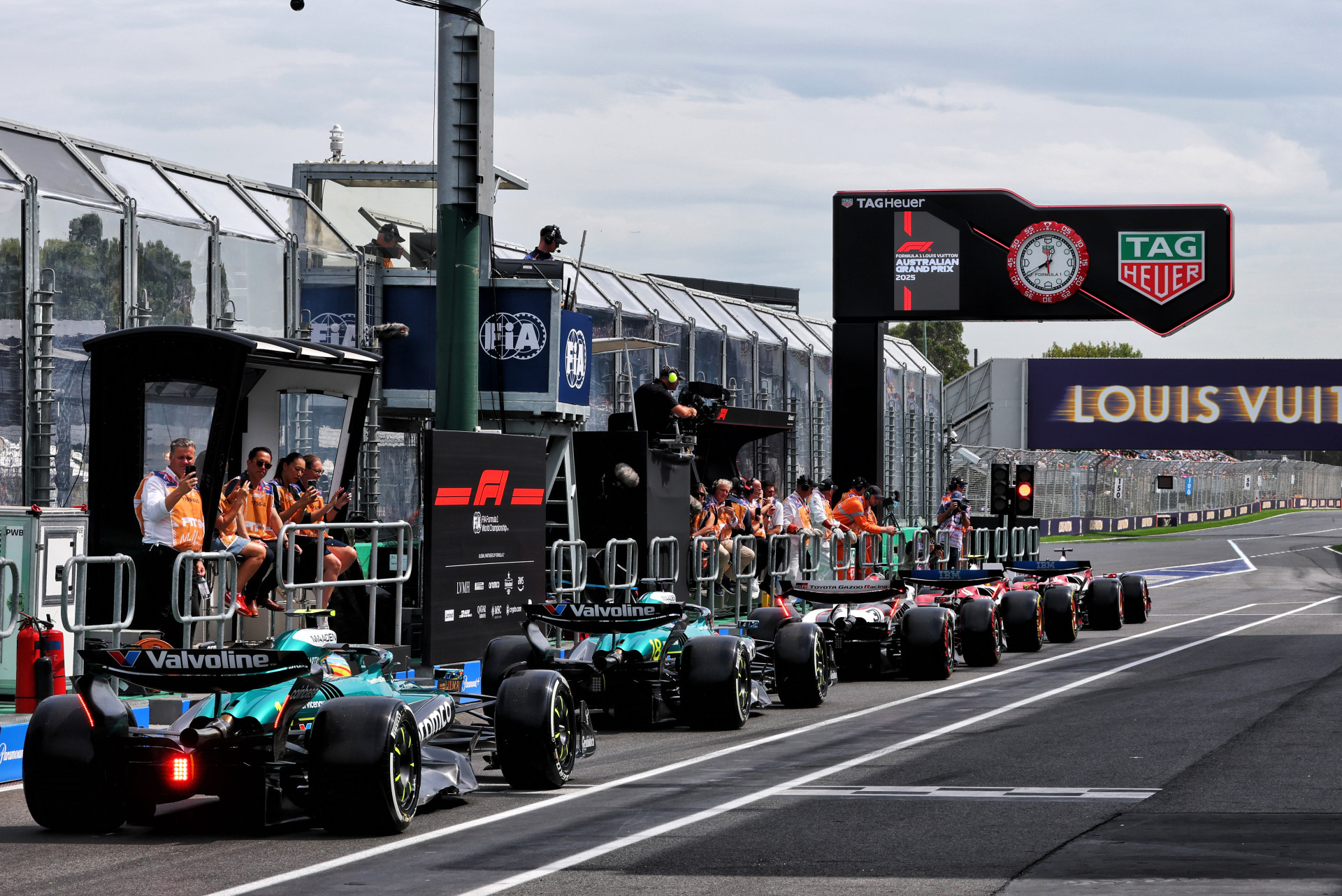
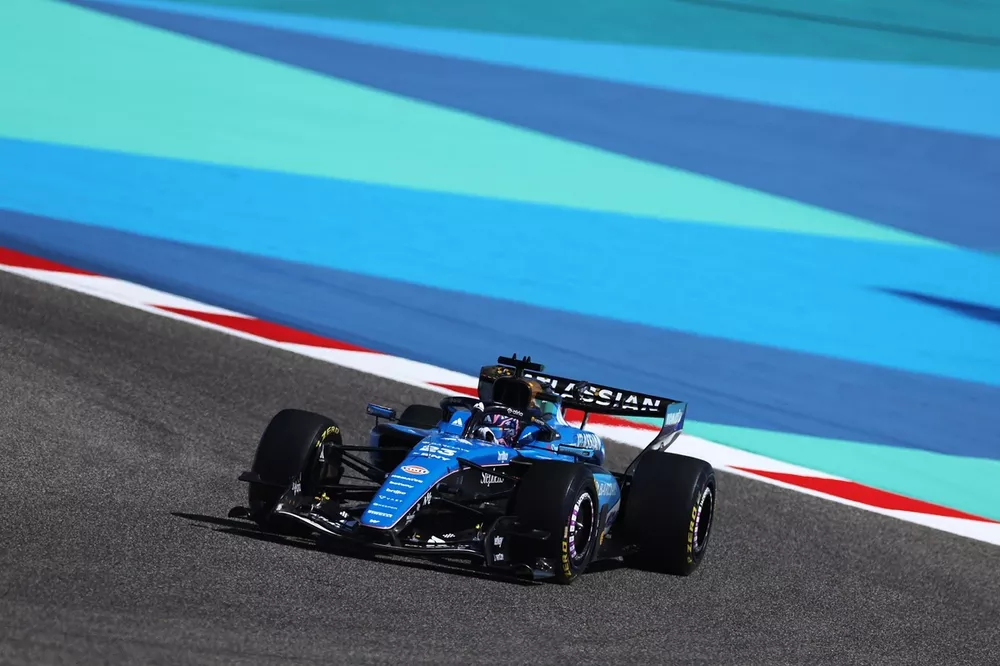
The 2026 F1 season brings the most significant regulatory overhaul in years, featuring new power units with increased electrical power and active aerodynamics. Consequently, pre-season testing becomes a critical phase for teams to validate these radical changes, starting with a private shakedown in Barcelona before moving to Bahrain for three official tests.
Why it matters:
The 2026 regulations represent the single-biggest overhaul in F1 history, with power units now featuring a 50-50 split between internal combustion and electrical power (up to 350kW). Lewis Hamilton has branded these changes the biggest of his career, highlighting the immense pressure on teams to get their designs right immediately. With active aerodynamics also introduced, the correlation between wind-tunnel data and track reality is more precarious than ever.
The details:
- Schedule: Teams begin with a private, five-day shakedown in Barcelona (Jan 26-30), where each team chooses three days to run. This is followed by two three-day tests in Bahrain.
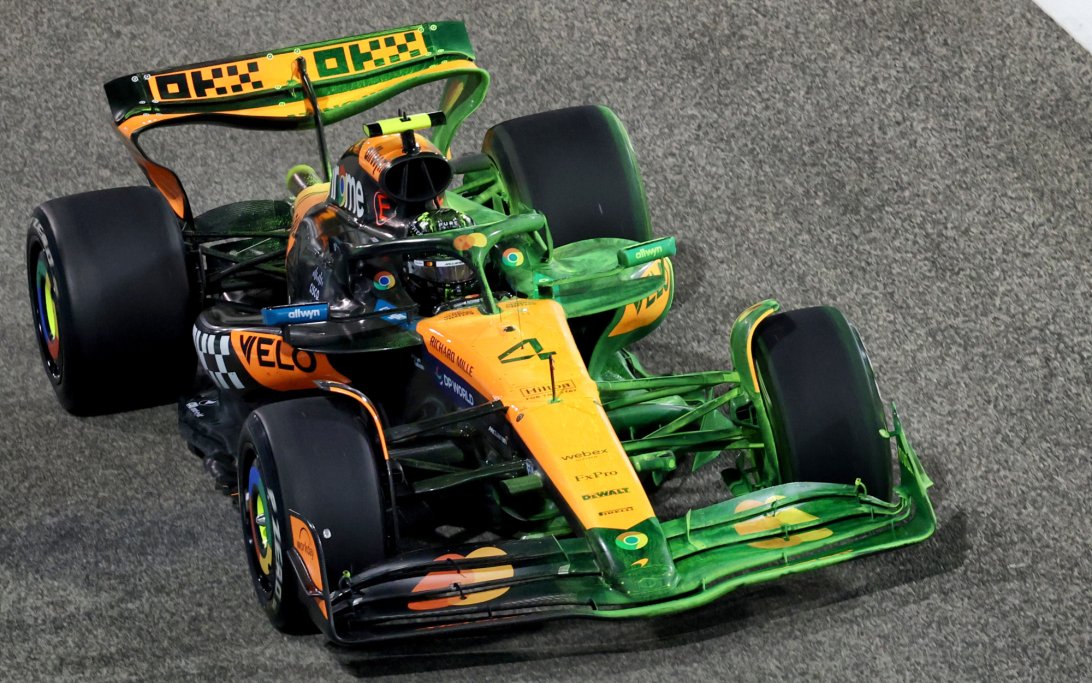
- Technical Validation: Expect to see cars equipped with aero-rakes and flow-viz paint. These tools measure airflow to ensure CFD simulations match real-world performance, crucial for the new active aero concepts.
- Tactical Play: Teams will likely engage in sandbagging—running heavy fuel loads and lower engine modes to disguise true performance. However, GPS tracking usually reveals the reality, and expect "glory runs" on the final days to grab headlines.
What's next:
The focus will shift from system checks in Barcelona to performance peaking in Bahrain. With the season opener in Australia on March 8, teams have a narrow window to solve reliability issues and understand the new 50-50 power delivery before the lights go out.
Don't miss the next lap
Get the deep dives and technical analysis from the world of F1 delivered to your inbox twice a week.
Zero spam. Only high-octane analysis. Unsubscribe anytime.
Join the inner circle
Get the deep dives and technical analysis from the world of F1 delivered to your inbox twice a week.
Zero spam. Only high-octane analysis. Unsubscribe anytime.
Continue Reading
View More News