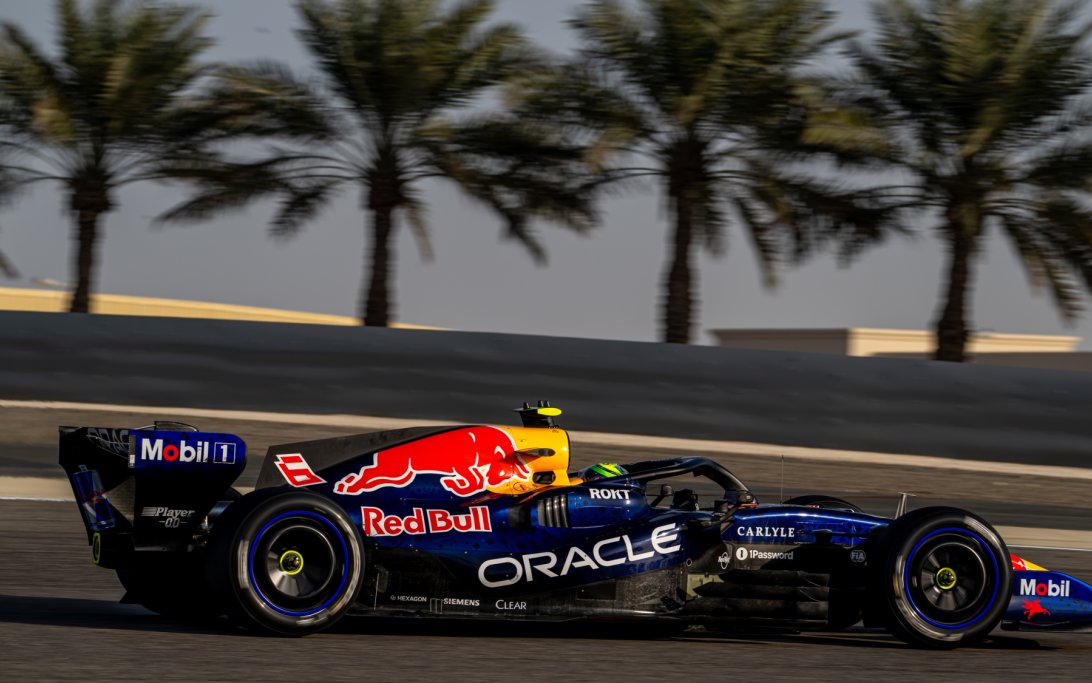
Isack Hadjar joins F1 drivers in calling for faster cars under new regulations
Red Bull's Isack Hadjar has criticized F1's new regulations, joining stars like Verstappen and Hamilton in warning that the cars will be slower and lap records may stand unchallenged. He argues that while the rules make driving more strategic, the dream is to pilot the fastest possible machines.
Red Bull junior driver Isack Hadjar has added his voice to the growing chorus of Formula 1 drivers expressing concern over the sport's new regulations, calling for "faster cars" and questioning the ability to break lap records under the current framework. The 21-year-old Frenchman, who recently moved from Racing Bulls to partner Max Verstappen, believes the significant changes for the upcoming season will make the cars slower and driving less natural, despite creating new opportunities for driver skill to shine.
Why it matters:
Hadjar's comments reflect a broader unease within the F1 paddock about the direction of the new technical era. When emerging talents and established champions alike voice similar criticisms about car performance, it signals a potential disconnect between the regulatory goals and the core spectacle of the sport—ultra-fast, record-breaking machines. This debate touches on the fundamental identity of Formula 1 as the pinnacle of motorsport.
The details:
- The new power unit and chassis regulations have drawn widespread criticism from top drivers including Lewis Hamilton, Max Verstappen, and Fernando Alonso.
- Key performance concerns center on the necessity for extensive energy management, leading to behaviors like lifting and coasting during qualifying laps and the car slowing before the braking zone on long straights.
- Estimates suggest the new cars could be several seconds per lap slower than their predecessors, making existing lap records potentially untouchable.
- Hadjar emphasized that driving the fastest possible car is a childhood dream for any racer, and breaking records is a core part of the Formula 1 allure.
The big picture:
The regulatory shift is fundamentally altering the driving experience. While the increased focus on energy management makes the process "less natural" and more mentally demanding, Hadjar acknowledges it could widen the window for drivers to make a difference. The challenge for the FIA and Formula 1 is to balance sustainability, cost-control, and competitive racing with the raw speed and visceral thrill that defines the sport's elite status.
What's next:
Despite his reservations about outright speed, Hadjar remains focused on the competition, stating the excitement of fighting for wins against top drivers is what matters most. The true test will come when the new cars hit the track in race conditions. If the predicted performance deficit materializes and fan reaction is negative, pressure will mount on the sport's governing bodies to reassess the long-term performance trajectory of the regulations to ensure Formula 1 cars remain the fastest circuit racing machines in the world.