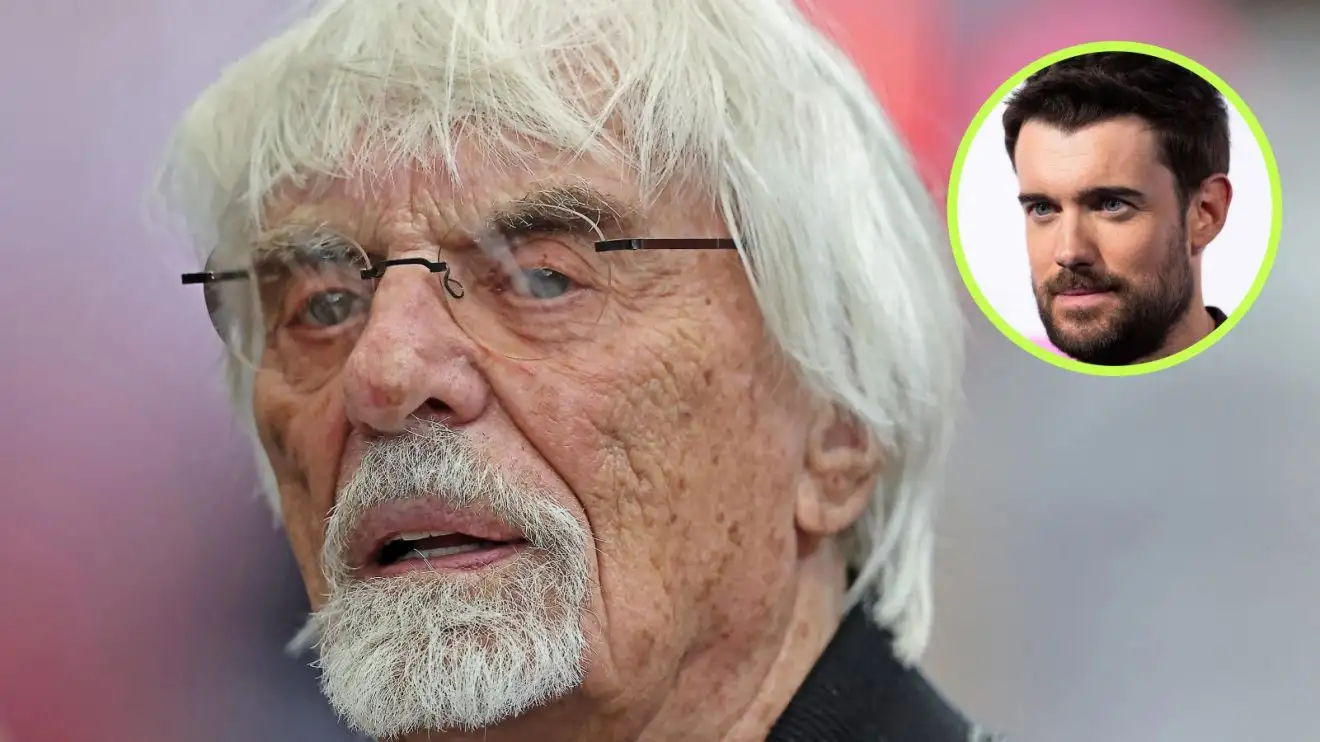
Jack Whitehall on His 'Heavily Policed' F1 Script and Getting George Russell's Approval
Comedian Jack Whitehall, host of F1's 75th-anniversary event, revealed his script was heavily scrutinized. Jokes about Bernie Ecclestone and Flavio Briatore were banned, and a joke about George Russell required the Mercedes driver's direct approval via a voice note. Whitehall noted that drivers generally have a sense of humor, unlike the cautious people around them, highlighting F1's tight control over its public image.
British comedian Jack Whitehall, host of Formula 1's 75th-anniversary launch event, revealed the extensive scrutiny his script underwent. Jokes about Bernie Ecclestone and Flavio Briatore were banned, and one specific joke targeting George Russell required direct approval from the Mercedes driver via a voice note.
Why it matters:
This anecdote highlights the meticulous control and brand management within Formula 1, even in seemingly lighthearted events. It underscores the sport's sensitivity to its image and past figures, as well as the unique balance between entertainment and strict governance, showcasing how F1 protects its reputation while still allowing for some level of personality and humor, especially from the drivers themselves.
The Details:
- Strict Script Policing: Whitehall's script for the F1 75 launch event at London's O2 was "heavily policed," with numerous jokes and references being cut or banned by event organizers.
- Banned Subjects: Specifically, jokes about former F1 supremo Bernie Ecclestone and ex-team principal Flavio Briatore were prohibited.
- George Russell Joke: A joke comparing Mercedes driver George Russell to a TikTok trainspotter (Francis Bourgeois) initially faced resistance from organizers.
- Direct Approval Needed: To get the Russell joke approved, Whitehall was instructed to record a voice note delivering the joke, which was then sent to Russell for his personal permission.
- Russell's Approval: Russell granted permission, indicating that the drivers "have a sense of humor," while those "around them are terrified" of potential PR issues.
- Fandom Growth: Whitehall admitted he became a significant F1 fan after watching "Drive to Survive," appreciating the personal stories and rivalries within the sport.
- Personal Connections: He recounted a coincidental meeting with George Russell in a hotel gym at 1 AM during the Singapore Grand Prix, where Russell secured his second victory of the season.
Between the lines:
This incident sheds light on the often-unseen layers of media control in major sports like F1. While the sport has embraced a more open and personality-driven approach, particularly through "Drive to Survive," there remains a clear line drawn by the governing bodies and brand managers. The need for a direct voice note to a driver for a relatively innocuous joke demonstrates the intricate web of approvals required, especially when dealing with high-profile athletes and sensitive historical figures. It also suggests a generational shift, where newer fans like Whitehall connect with the sport through narratives and individual personalities, rather than solely through team affiliations, a trend heavily influenced by Netflix's docuseries.
What's next:
This kind of strict oversight is likely to continue as Formula 1 expands its global reach and seeks to maintain a carefully curated public image. While drivers are encouraged to show more personality, expect event organizers and media teams to remain vigilant in policing content. The ongoing balance between engaging entertainment and corporate control will continue to shape how F1 presents itself to its growing audience.