Japanese GP exposes 2026 F1's dangerous flaw as Antonelli wins again
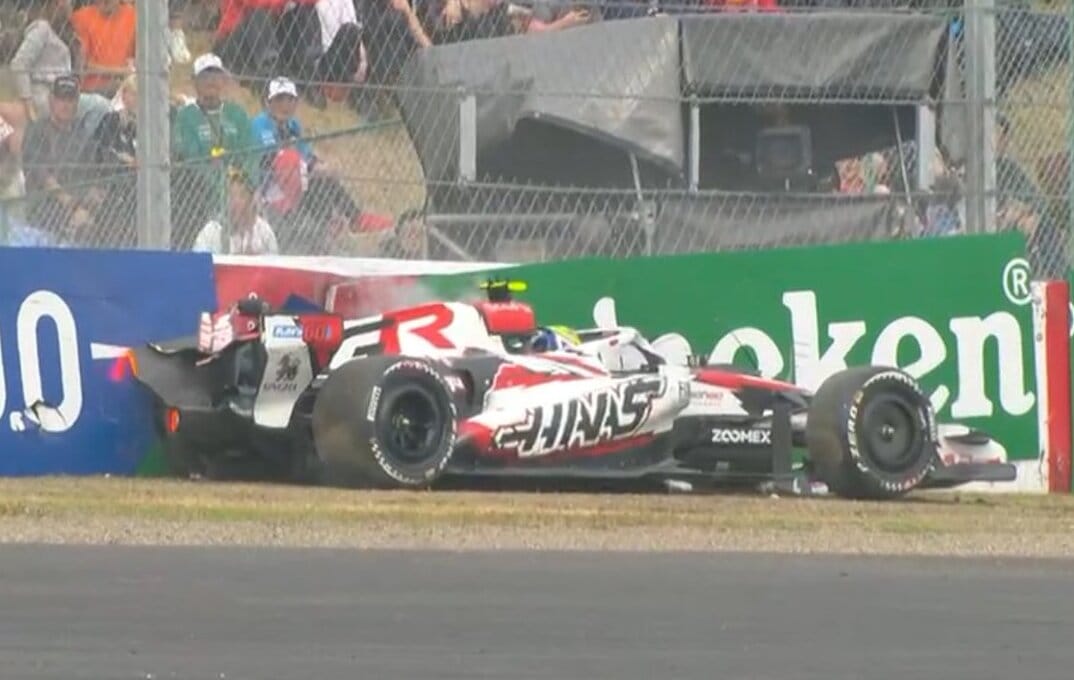
Kimi Antonelli won his second F1 race at the Japanese GP, but the event was defined by Ollie Bearman's huge crash, blamed on the 2026 cars' dangerous energy recovery systems. The accident has triggered urgent calls for the FIA to fix critical safety flaws with the new regulations during the upcoming five-week break.
The Japanese Grand Prix delivered a dramatic win for Mercedes rookie Kimi Antonelli but was overshadowed by a massive crash for Ollie Bearman, which critics say is a direct result of dangerous closing speeds created by F1's new 2026 power unit regulations. The race has intensified calls for the FIA to urgently address fundamental safety and sporting flaws before the next event.
Why it matters:
Bearman's 50G impact at Suzuka, caused by a car ahead suddenly losing electrical energy, validated pre-season warnings from drivers and team principals about the perils of "super clipping." The incident has shifted the conversation from the entertainment value of the new rules to an immediate safety imperative, forcing the sport's governing body to consider swift regulatory changes during an upcoming five-week break in the calendar.
The details:
- The Catalyzing Crash: Haas driver Ollie Bearman's high-speed crash occurred when the car in front, likely Franco Colapinto's Williams, suddenly slowed due to a battery energy shortfall. This created an extreme and unpredictable closing speed, a scenario McLaren team principal Andrea Stella and others had explicitly warned could cause a "massive accident."
- Artificial Racing Dynamic: Overtakes were largely dictated by battery deployment cycles rather than pure driver skill or car performance. Drivers described moves as "artificial," with positions often swapping back and forth on straights based solely on who had more stored energy, reducing iconic corners like 130R to mere recharging zones.
- Antonelli's Statement Victory: The 19-year-old Mercedes driver secured his second consecutive win with a dominant performance, taking pole, fastest lap, and the victory. While a Safety Car period aided his recovery from a poor start, his pace throughout the weekend confirmed he has adapted to the 2026 cars faster than teammate George Russell, applying significant championship pressure.
- Russell's Rising Frustration: George Russell's vocal frustration over team radio, despite not being the only driver disadvantaged by the Safety Car, was noted as a potential sign of pressure. Losing the championship lead to his rookie teammate marks a significant psychological shift within the Mercedes camp.
- A Spoiled Contest: The Safety Car that neutralized the race arguably robbed fans of a genuine strategic battle between Oscar Piastri, Russell, and a charging Antonelli, preventing a clearer assessment of the 2026 cars' racing merits in a straight fight.
What's next:
The five-week gap until the Miami Grand Prix presents a critical window for the FIA to enact changes. The focus will be on mitigating dangerous closing speeds and re-injecting genuine qualifying and racecraft challenge into the sport. Teams are likely to push for temporary relaxations in testing rules to trial solutions. The urgency to act is now paramount, as the 2026 formula's promising aspects risk being permanently overshadowed by its fundamental safety flaws.
Don't miss the next lap
Get the deep dives and technical analysis from the world of F1 delivered to your inbox twice a week.
Zero spam. Only high-octane analysis. Unsubscribe anytime.
Join the inner circle
Get the deep dives and technical analysis from the world of F1 delivered to your inbox twice a week.
Zero spam. Only high-octane analysis. Unsubscribe anytime.
Continue Reading
View More News