Lance Stroll Compares Driving Aston Martin AMR26 to Being 'Electrocuted'
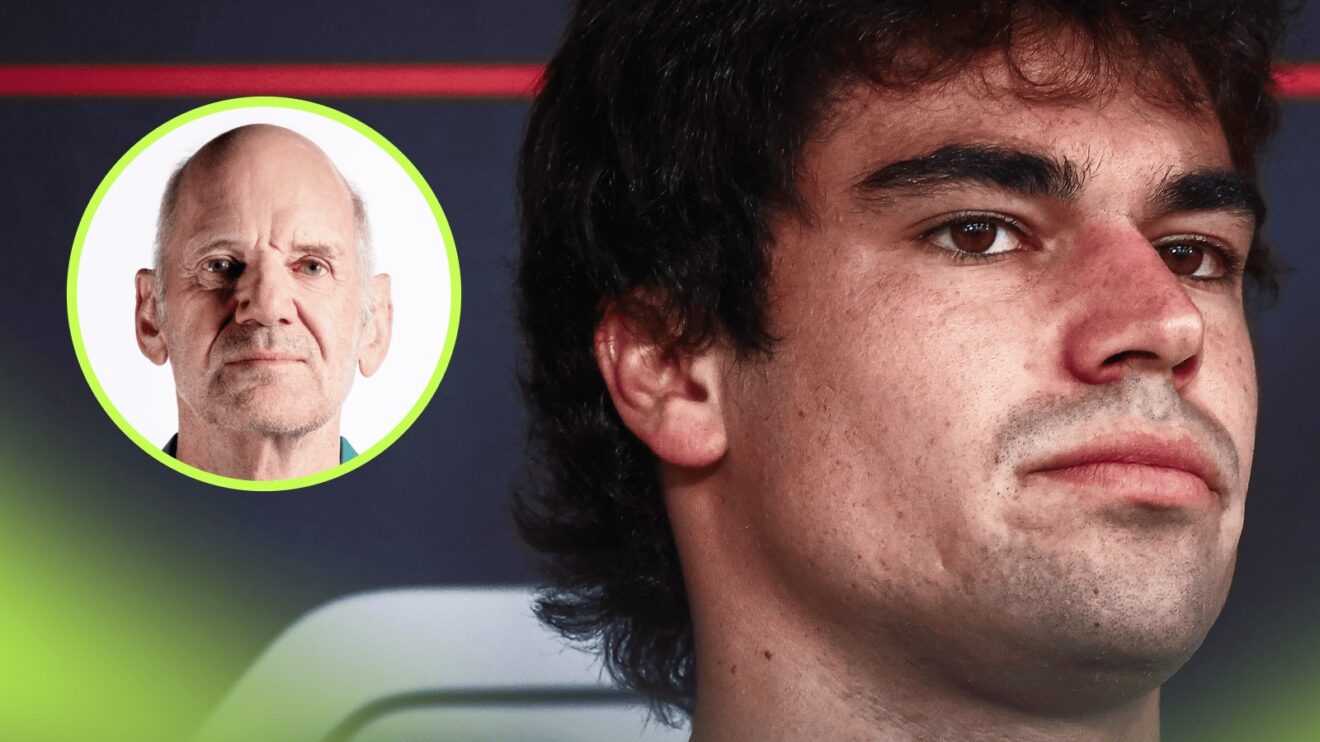
Lance Stroll says driving the Aston Martin AMR26 feels like being electrocuted due to severe Honda engine vibrations. Team boss Adrian Newey warns both Stroll and Fernando Alonso risk permanent nerve damage, forcing strict lap limits that threaten their participation in the full Australian Grand Prix distance.
Lance Stroll has described the extreme vibrations from the Aston Martin AMR26's Honda power unit as akin to being "electrocuted," with the team facing severe reliability and driver safety concerns ahead of the Australian Grand Prix. Team principal Adrian Newey has warned that drivers Stroll and Fernando Alonso risk "permanent nerve damage" if they complete too many consecutive laps, forcing the team to consider drastic race strategy limitations.
Why it matters:
Aston Martin's 2026 season is starting under a cloud of significant technical crisis, jeopardizing their ability to compete from the outset. The severe vibrations pose a dual threat: they risk damaging the power unit itself and, more critically, the long-term health of their star drivers, forcing the team into a damage-limitation mode for the opening races.
The details:
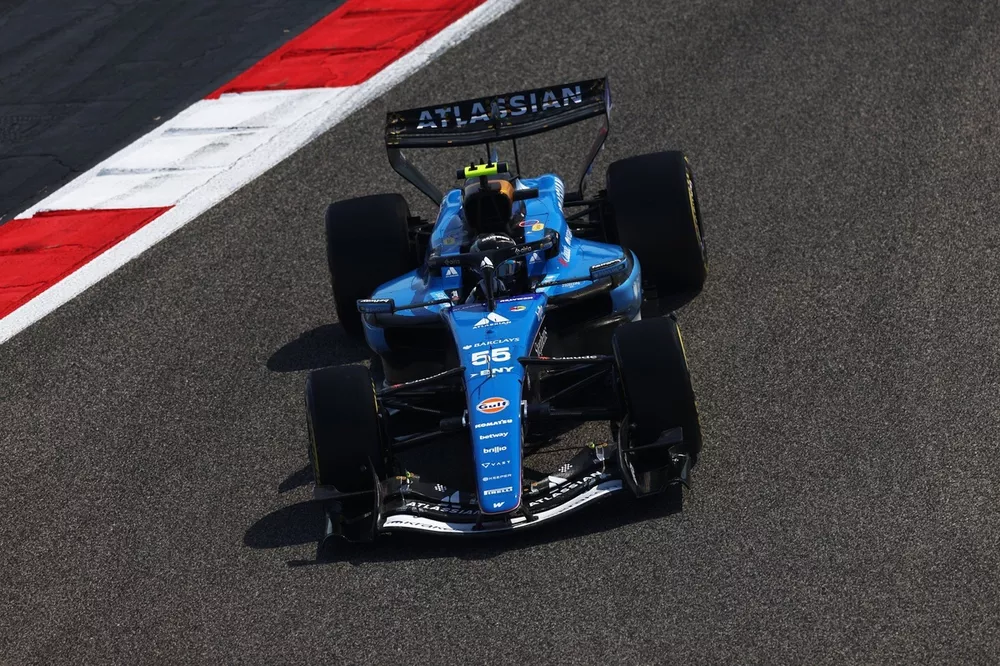
- The issue stems from the new Honda power unit, which proved slow and unreliable during pre-season testing in Bahrain, limiting the team's running.
- Driver Impact: Fernando Alonso reported his hands and feet going numb after 20-25 minutes of driving. Newey stated Alonso can manage roughly 25 consecutive laps, while Stroll is limited to just 15. The Australian GP is 58 laps long.
- Weekend Strategy: The team's plans for the race weekend hinge entirely on fixes trialed during Friday practice. If unresolved, completing more than 10-15 laps in the race will be difficult.
- Stroll's Description: The Canadian driver was blunt about the sensation, stating, "It's a very uncomfortable vibration. It's bad for the engine, but it's also bad for the human inside the car."
- Team Focus: Stroll expressed confidence in the chassis side of the operation but admitted the engine needs both reliability fixes and more power to be competitive.
What's next:
All eyes are on Friday's practice sessions in Melbourne to see if Honda's countermeasures have alleviated the vibration issue. A successful fix could allow Aston Martin to salvage some crucial race mileage. If not, the team faces the prospect of a severely compromised weekend, potentially retiring early from the race to protect their drivers and equipment. The situation underscores a rocky start to Aston Martin's new partnership with Honda and Adrian Newey's first car project with the team.
summary: Lance Stroll says driving the Aston Martin AMR26 feels like being electrocuted due to severe Honda engine vibrations. Team boss Adrian Newey warns both Stroll and Fernando Alonso risk permanent nerve damage, forcing strict lap limits that threaten their participation in the full Australian Grand Prix distance.
Don't miss the next lap
Get the deep dives and technical analysis from the world of F1 delivered to your inbox twice a week.
Zero spam. Only high-octane analysis. Unsubscribe anytime.
Join the inner circle
Get the deep dives and technical analysis from the world of F1 delivered to your inbox twice a week.
Zero spam. Only high-octane analysis. Unsubscribe anytime.
Continue Reading
View More News