Lando Norris identifies core problem with 2026 F1 power unit regulations
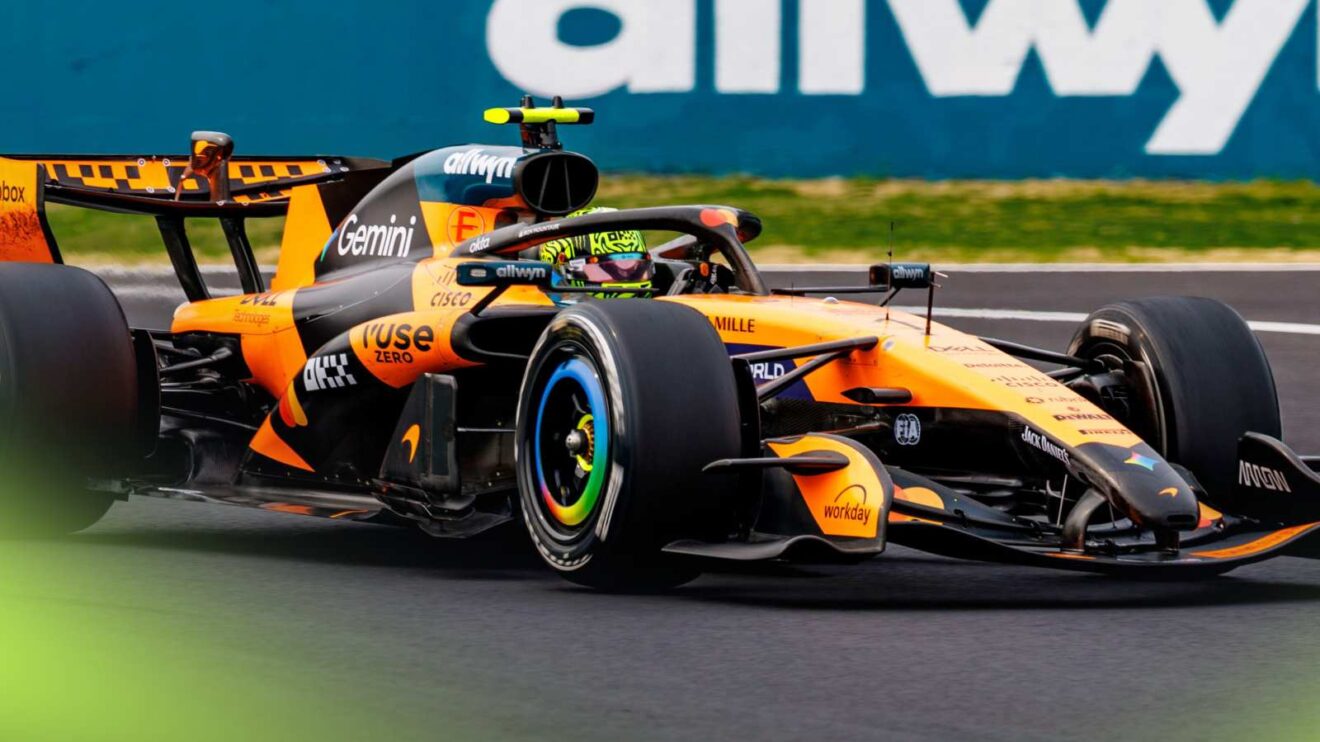
McLaren's Lando Norris says the 2026 F1 power unit regulations risk taking too much control from drivers, citing an incident in Japan where automated battery deployment forced an unwanted overtake. He warns the system could create artificial and dangerous racing, but remains hopeful the FIA will find a solution before the new rules debut.
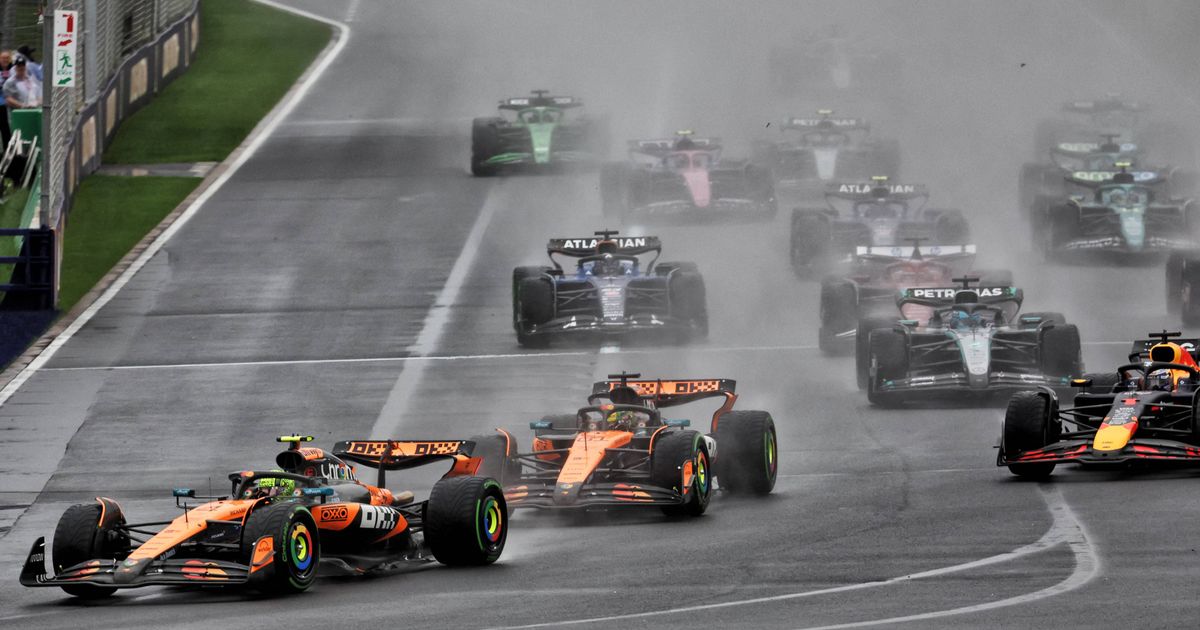
Lando Norris has clarified that his primary concern with the upcoming 2026 Formula 1 regulations is the new power unit formula, not the chassis or aerodynamic concept. The McLaren driver highlighted a specific incident at the Japanese Grand Prix where automated battery deployment forced an unwanted overtake, leaving him vulnerable on the following straight. He argues this takes too much control away from the driver, a sentiment echoed by others following a high-speed crash for rookie Oliver Bearman at Suzuka.
Why it matters:
The 2026 regulations represent the biggest technical shift in a generation, aiming for a near 50-50 split between internal combustion and electric power. If the current power unit deployment logic remains, it risks introducing artificial and potentially dangerous race scenarios where drivers have limited agency. Striking a balance between technological spectacle, sustainability goals, and pure sporting competition is the central challenge for the FIA and F1 stakeholders.
The details:
- Norris's criticism is laser-focused on the power unit's energy management system, specifically how and when the battery deploys its significant electrical power.
- He described a concrete example from Suzuka: "I had a scenario in Japan where the battery deployment triggered, even though I didn’t really want it to, and I had to overtake Lewis as a result. That meant I was then a sitting duck on the next straight."
- The issue stems from the system's design, which sees the battery deploy and recharge multiple times per lap with limited manual control from the cockpit. This can force drivers into tactical moves at inopportune moments.
- The potential danger was underscored when Ferrari junior Oliver Bearman crashed at high speed in Suzuka's Formula 2 race. He experienced a significant closing speed differential (reportedly around 30mph) with a car ahead on the approach to Spoon Curve, a situation linked to the energy recovery and deployment characteristics of the new-spec powertrains.
- Despite his concerns, Norris praised the current 2024 cars' driving characteristics, calling them "very exciting" and noting they allow drivers to make more of a difference, reminiscent of junior formula cars.
What's next:
Norris expressed confidence that the issue is being addressed, noting "good dialogue with the FIA" and an expectation that a solution will be found. The sport's authorities are under pressure to refine the system before the 2026 debut to ensure racing remains a genuine contest of driver skill and strategy. Norris concluded by emphasizing the sport's entertainment value, stating the goal is to avoid artificial elements while delivering "a really exciting era of racing." The coming months of simulation and testing will be critical in finding the right balance for the new era.
Don't miss the next lap
Get the deep dives and technical analysis from the world of F1 delivered to your inbox twice a week.
Zero spam. Only high-octane analysis. Unsubscribe anytime.
Join the inner circle
Get the deep dives and technical analysis from the world of F1 delivered to your inbox twice a week.
Zero spam. Only high-octane analysis. Unsubscribe anytime.
Continue Reading
View More News