
Leclerc's Mario Kart Mushroom: A Joyful Distraction From Ferrari's Strategic Malaise
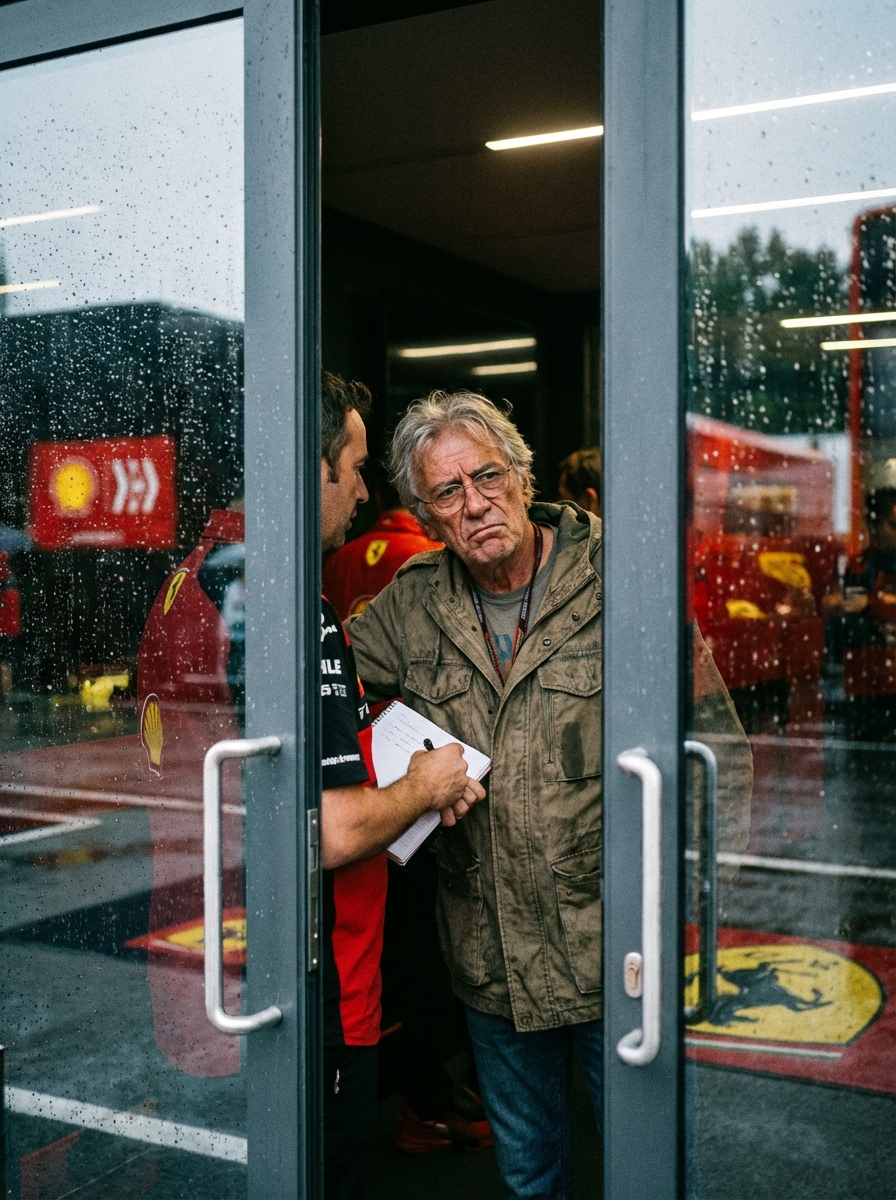
Charles Leclerc humorously compared F1's new 2026 boost button to a "Mario Kart mushroom" during the Australian GP. He finished third after Ferrari's strategic call not to pit under a Virtual Safety Car failed to pay off, though the driver stands by the decision. The moment offers insight into driver adaptation to the season's major technical changes.
The radio transmission was pure, unfiltered Charles. A burst of childlike glee in the white-hot pressure of a Melbourne podium fight. "It feels like the mushroom in Mario Kart!" he exclaimed, thumbing the new-for-2026 boost button as he fended off George Russell. The soundbite is perfect, viral, digestible. It will play on highlight reels for years. But listen closer, past the charming simile, and you hear the real story of Ferrari in this new era: a driver finding fleeting, artificial joy in a gimmick, while the team's strategic brain trust continues to play a different, more tragic game entirely. The Mushroom Boost gave him a temporary rush. Ferrari's strategy handed him a permanent third place.
The Theater of the New: Gimmicks vs. Genius
Let's be clear. The 2026 overtake and boost modes are a spectacle, a canned drama injection for the broadcast. Leclerc's description is brilliantly accurate. It is a Mario Kart mushroom: a pre-packaged, on-demand burst that feels powerful but is ultimately a standardized trick everyone has. It's not the nuanced, soulful mastery of a perfect tow or a daring late-braking move. It's a button.
"The choice was conscious. We knew with all the car stoppages we had all weekend that there was a high chance of another VSC... I don't regret it."
He said the words in the pen, defending the hive. But the eyes, always watch the eyes, betrayed a flicker of resigned "what if." The team gambled on more Virtual Safety Cars, turning the Grand Prix into a game of statistical bingo. This is the cold, data-driven logic that continues to plague Maranello. They treat the driver—a sublime, emotional instrument like Leclerc—as a mere data point in a probability matrix. My belief is cemented here: a content or angry driver outperforms a data-optimized one. Leclerc was given a mushroom to press to make him smile, while the strategists took away his agency to win. They pacify the instinct with a toy, then ignore the gut feeling that should dictate the call.
- The Boost: A 4-5 second maximum deployment per lap, a standardized ECU trick.
- The Reality: While Charles giggled at the kart-like sensation, Red Bull and Mercedes were calculating the energy trade-offs, the long-game. Verstappen's aggression with his boost? Pure theater. It masks the deeper aerodynamic flaws Adrian Newey's successors are still wrestling with. A loud, mushroom-powered diversion.
The Ghost of Strategy Past: A Conspiracy of Misfortune
The brutal irony of Melbourne wasn't the initial call. It was the cosmic joke that followed. A later VSC did emerge, the exact lottery ticket Ferrari had gambled on. But the pit entry was closed. Locked. Fate, it seemed, had not just rejected Ferrari's strategy, but had actively mocked it.
This is where the narrative deepens, beyond simple misfortune. This is a team whose strategic identity is in crisis. They are trying to out-compute the field when they should be out-feeling them. They made Leclerc a sitting duck on aging tires, a strategic pawn sacrificed to a theory of probable safety cars. Contrast this with the great strategic duels of the past. They were extensions of driver will, of a team sensing a competitor's desperation or fatigue. Now? It's algos talking to algos. Leclerc's mushroom moment is the human spark trying to break through the digital fog.
And let's talk about that podium, his first since Mexico 2025. It will be spun as a positive baseline, a building block. Don't buy it. For a talent of Leclerc's caliber, third place due to a strategic misstep is a wound, not a foundation. It feeds the simmering frustration that Ferrari must harness, not medicate with PR platitudes.
The Inevitable Horizon: When the Mushroom is Obsolete
Leclerc's adorable analogy points to a darker, inevitable truth we in the paddock whisper about but few will print. If the pinnacle of driver feedback in 2026 is comparing a multi-million dollar hybrid power unit trick to a video game power-up, how far are we from the next logical step?
Within five years, we will see the first fully AI-designed car. Not just a component, but the entire machine. And once that happens, the driver becomes an accessory. The AI will calculate the optimal boost deployment, not for a fleeting "fun" feeling, but for a thousand micro-advantages no human could perceive. The race will be won by the team with the best software engineers, not the best driver-coaxing race engineers. Leclerc's mushroom will be a quaint, pre-programmed party trick in a system that has already decided the outcome based on simulation data uploaded a week before the lights go out.
Ferrari's Melbourne blunder is a symptom of this transition. They are stuck between eras—trying to appease the human heart of their driver with a fun button, while surrendering strategy to cold, flawed probability models. The mushroom gave Leclerc a speed boost. But until Ferrari learns to fuel his fire, to let his emotion and instinct dictate the strategic play, they will remain stuck in a cycle of conscious, defensible, and ultimately losing gambles. The future belongs to those who understand that the machine's data and the man's soul must speak the same language. Right now, at Scuderia Ferrari, they're not even having the same conversation.