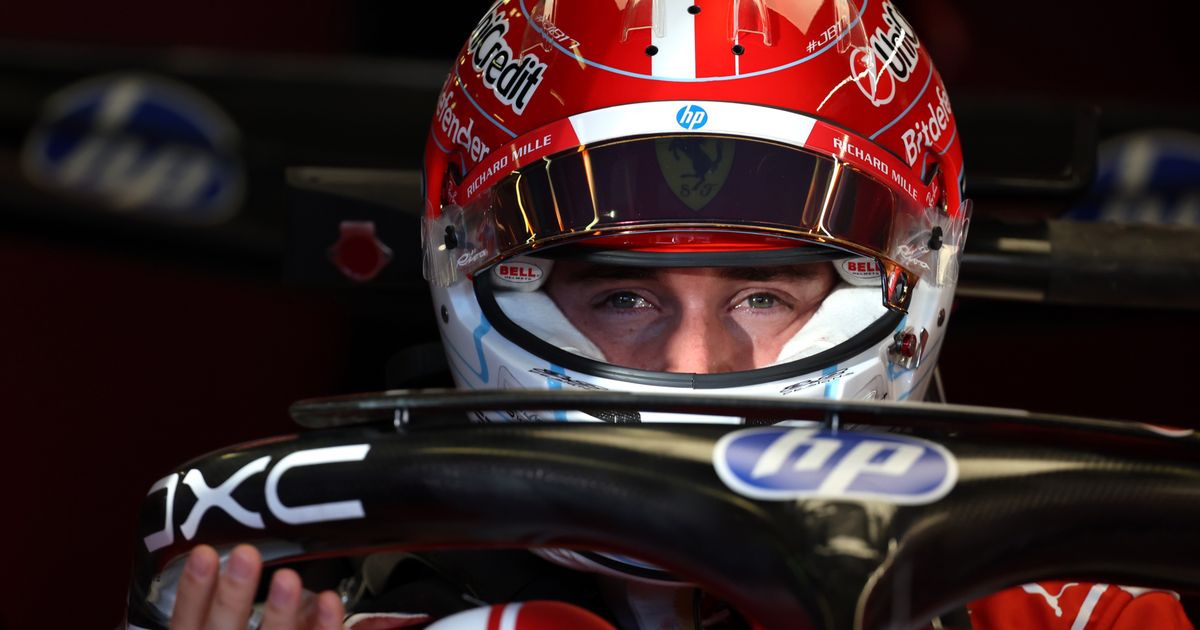
Leclerc explains Ferrari's debated VSC strategy in Melbourne
Charles Leclerc has clarified Ferrari's controversial strategy call at the Australian GP, revealing the team consciously chose not to pit under an early Virtual Safety Car. He explained the decision was a calculated gamble, anticipating more VSCs later in the race—a prediction that proved correct, though bad timing ultimately prevented them from benefiting.
Charles Leclerc defended Ferrari's decision not to pit under an early Virtual Safety Car at the Australian Grand Prix, a strategic gamble that ultimately cost the team a potential victory. The Monegasque driver finished third, 15 seconds behind winner George Russell, after the call to stay out while rivals Mercedes pitted.
Why it matters:
In a season where every point is critical, Ferrari's choice highlights the high-stakes, predictive nature of modern F1 strategy. The decision was based on data suggesting more VSC periods were likely, showcasing a team willing to make a calculated risk rather than a reactive move. While it didn't pay off this time, it reveals a strategic mindset focused on maximizing opportunities over a full race distance.
The details:
- The pivotal moment came on Lap 11 when a technical retirement for Isack Hadjar triggered a VSC. Mercedes immediately double-stacked both cars for a pit stop.
- Ferrari, with Leclerc leading, chose to keep both its cars on track. Leclerc explained the team anticipated further VSC periods, citing that every session of the weekend had seen at least one car stop.
- The Gamble: Leclerc stated the choice was "wanted and conscious," believing it better to wait for a later, potentially more advantageous VSC. He acknowledged it was always a gamble.
- The Unlucky Break: Another VSC did occur later, but the pit entry was closed at that precise moment, preventing Ferrari from capitalizing on the very scenario they had hoped for.
- The Outcome: Leclerc and teammate Lewis Hamilton (driving for Ferrari) finished third and fourth, unable to challenge the Mercedes of George Russell and Lando Norris ahead after their earlier stop.
What's next:
Ferrari will analyze the data from Melbourne to refine its real-time decision-making process. While the strategy was logically sound, its execution was thwarted by unpredictable race circumstances. The incident underscores that even the best-laid plans require a degree of luck. The team's focus will now shift to Suzuka, where maximizing every strategic opportunity will be paramount to close the gap in both championships.
Between the lines: Leclerc's firm "I don’t regret it" stance is telling. It signals full team alignment and confidence in their strategic process, even when the result is suboptimal. This unity is crucial for Ferrari as it battles the consistent operational excellence of rivals like Mercedes and Red Bull.