Leclerc finds 'different way' to enjoy challenging 2026 F1 cars
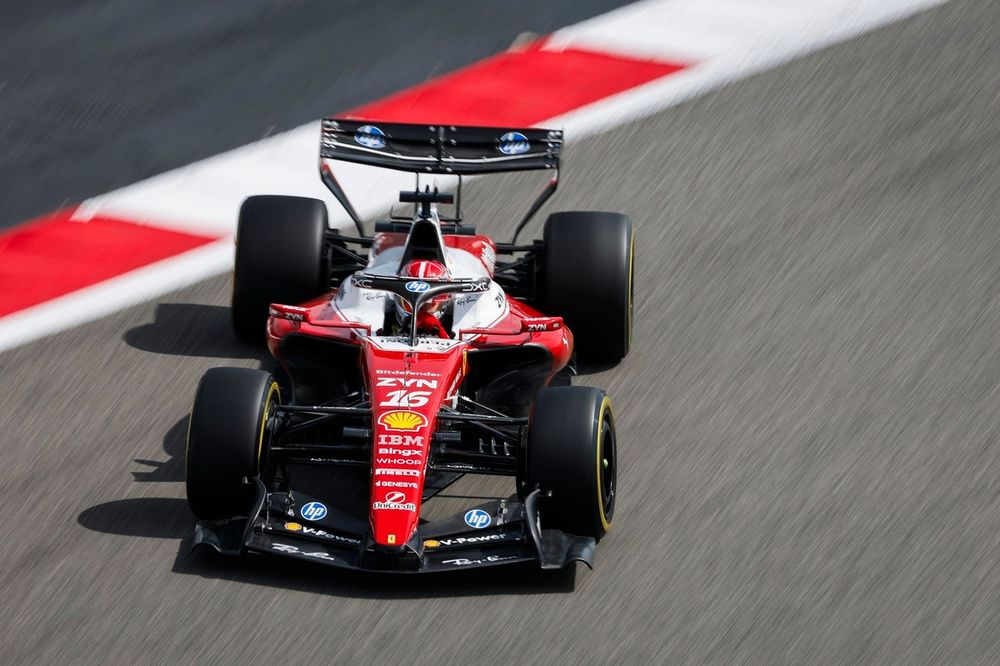
Charles Leclerc says F1's 2026 cars require a major shift in focus from pure driving to energy system management, making them less fun in a traditional sense but offering a new technical challenge. While he enjoys the lighter, nimbler chassis, he shares concerns about overtaking difficulty and predicts potential chaos at race starts.
Ferrari's Charles Leclerc admits Formula 1's new 2026 cars are not the most enjoyable to drive due to a heavy focus on energy management, but says he finds fun in the technical challenge of mastering the complex new systems. The Monegasque driver highlights that while the lighter chassis offers a more responsive feel, the mental workload required to optimize energy harvesting and deployment has fundamentally changed the driving experience.
Why it matters:
The shift in driving style and increased cognitive load for 2026 represents one of the most significant changes for drivers in recent regulatory cycles. How top drivers like Leclerc adapt to a style that prioritizes system management over pure attack could define the competitive order and the quality of racing this season, especially with widespread concerns about overtaking becoming more difficult.
The details:
- Leclerc describes the 2026 car as "not the funniest" and acknowledges a reduction in the pure attacking driving style he loved in previous F1 cars.
- He finds enjoyment in the engineering challenge, stating the process of "developing this whole new system" is "very interesting" and allows for creative, out-of-the-box thinking to maximize performance.
- Chassis Positives: The driver praises the reduced weight of the new cars, which makes them feel "more alive" and allows for a more oversteer-oriented, snappy balance that suits his preference.
- The Mental Shift: A significant portion of the drive is now dedicated to managing energy systems through techniques like lift-and-coast and strategic downshifting, requiring drivers to "think actively a lot more compared to in the past."
- Overtaking Concerns: Leclerc shares the paddock's consensus that overtaking is now "extremely difficult," as the new Overtake Mode comes with a heavy energy cost, making it hard to complete a pass and then pull away from the rival.
What's next:
Leclerc openly predicts potential chaos, especially at race starts, due to the removal of the MGU-H making it trickier to find the right operational window when the lights go out. He warns that the unpredictability of a packed grid start could lead to surprising and memorable moments, aligning with Pierre Gasly's recent comments to "turn your TV on for the start in Australia." The true test of these new cars and the drivers' adaptation will come under genuine race conditions, where managing energy while battling wheel-to-wheel will be the ultimate challenge.
Don't miss the next lap
Get the deep dives and technical analysis from the world of F1 delivered to your inbox twice a week.
Zero spam. Only high-octane analysis. Unsubscribe anytime.
Join the inner circle
Get the deep dives and technical analysis from the world of F1 delivered to your inbox twice a week.
Zero spam. Only high-octane analysis. Unsubscribe anytime.
Continue Reading
View More News