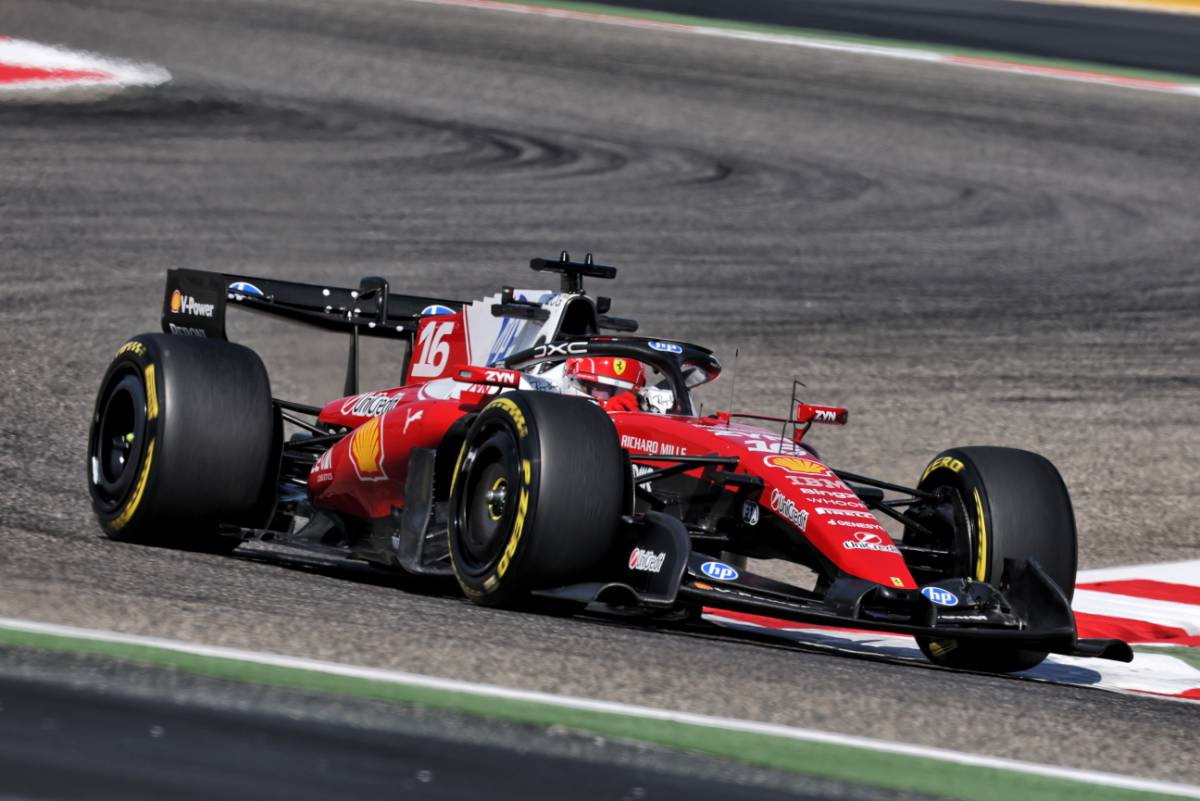
Leclerc Praises Lighter, More Responsive 2026 F1 Cars
Ferrari's Charles Leclerc says F1's new 2026 cars are more agile and responsive but require far more mental focus to manage complex systems, fundamentally changing the driver's role during a race.
Charles Leclerc has welcomed Formula 1's new 2026 cars as "a bit more alive," praising their lighter weight and snappy handling but noting a significant increase in the mental workload for drivers managing complex new systems. The Ferrari driver highlighted a shift from pure driving to active systems management as the key challenge of the new regulations.
Why it matters:
The driver's feedback provides the first real-world insight into the sport's latest technical revolution, which aims to produce more agile and exciting cars. Leclerc's comments underscore the evolving role of the modern F1 driver, who must now excel as both a racer and an in-cockpit systems engineer to extract maximum performance.
The details:
- Physical Feel: Leclerc reported a clear improvement in drivability, stating the roughly 30kg lighter chassis feels more responsive and allows him to play with the car's balance more, particularly enjoying a "very snappy rear end."
- Increased Mental Load: The major trade-off is cognitive. Leclerc explained that drivers now spend a lower percentage of their time purely driving, with more focus required to actively manage and optimize the new power unit and aerodynamic systems.
- Driving Style Adaptation: While drivers are accustomed to adapting, Leclerc called the 2026 change more significant than recent seasons. He compared the adjustment to the shift between qualifying and race trim, but on a larger scale.
- Exploiting the Edge: For a qualifying specialist like Leclerc, the car's agility is a boon. He noted the lighter cars allow him to be "more extreme" with oversteer, a handling characteristic he prefers, compared to the more difficult-to-manage heavier cars of the previous era.
What's next:
The true test will come at the season-opening Bahrain Grand Prix, where race-long reliability and the ability to manage these complex systems under pressure will be paramount. If Leclerc and Ferrari can master the new car's physical edge while efficiently handling the increased cockpit workload, they could establish a formidable early advantage.
Don't miss the next lap
Get the deep dives and technical analysis from the world of F1 delivered to your inbox twice a week.
Zero spam. Only high-octane analysis. Unsubscribe anytime.
Join the inner circle
Get the deep dives and technical analysis from the world of F1 delivered to your inbox twice a week.
Zero spam. Only high-octane analysis. Unsubscribe anytime.
Continue Reading
View More News