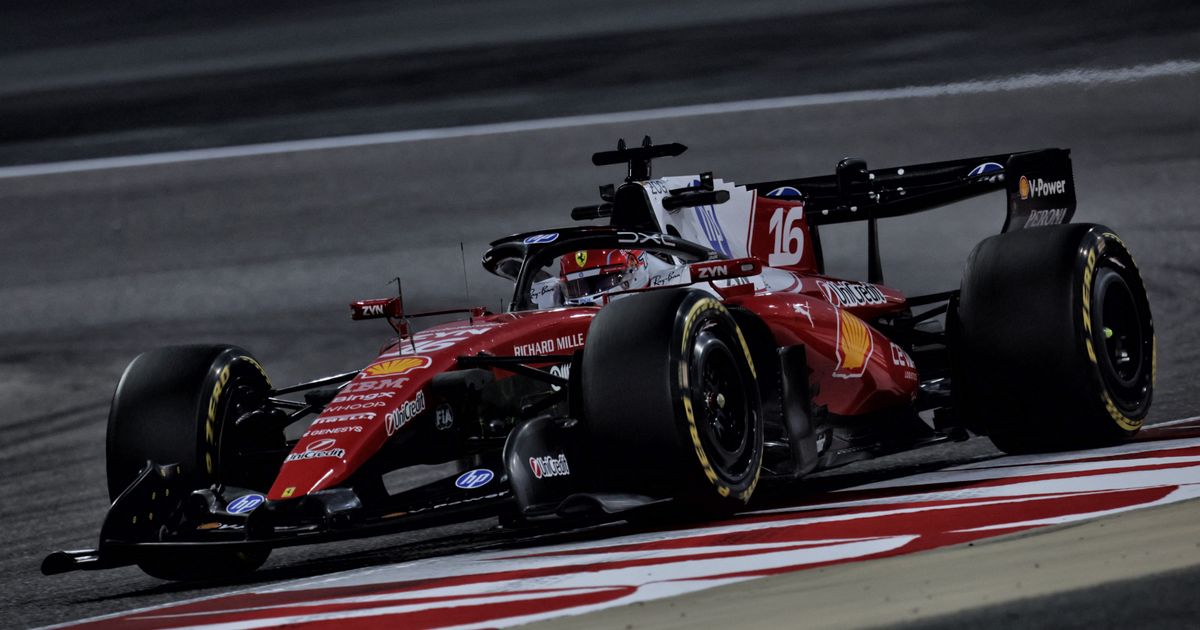
Leclerc warns overtaking will be 'very difficult' under new 2026 F1 regulations
Charles Leclerc confirms that overtaking with F1's 2026 cars is 'extremely difficult' due to a much higher strategic energy cost, a concern echoed by McLaren's Andrea Stella, raising early alarms about the new regulations' impact on race action.
Charles Leclerc has confirmed widespread driver concerns that overtaking will become significantly more difficult under Formula 1's 2026 technical regulations, citing a much higher energy cost for passing maneuvers. The Ferrari driver's assessment, shared by McLaren team principal Andrea Stella, points to a potential fundamental challenge for the sport's racing spectacle.
Why it matters:
The core promise of the 2026 regulation overhaul was to create closer, more exciting racing. If the new cars inherently make overtaking harder and more strategically costly, it could undermine the competitive drama that defines F1. Drivers feeling unable to race freely risks turning Grands Prix into high-speed processions, a scenario the rulemakers explicitly aimed to avoid.
The details:
- Leclerc stated that after analyzing data, he finds it "extremely difficult to make any overtakes" with the new car concept, aligning with feedback from other drivers on the grid.
- The primary issue is a drastic increase in the strategic "price" of an overtake. Managing the new, more powerful battery and hybrid systems during a close-following situation consumes energy that is far more costly to the overall race strategy than under previous regulations.
- This high cost makes it difficult for a driver to not only complete a pass but also to then "pull away" from the rival afterwards, potentially leaving them vulnerable to an immediate counter-attack.
- McLaren's Andrea Stella corroborated the concern, noting that with cars having similar drag and power when following, the overtaking tools have been blunted. His drivers reportedly found it "extremely difficult to overtake" during pre-season testing.
What's next:
The early and unified feedback from both a top driver and a leading team principal creates immediate pressure on the FIA and F1 to address the issue. While Leclerc suggested the situation "might improve with time" as teams learn to manage the new systems, Stella has already called for changes before the season-opening Australian Grand Prix. The coming months will test whether the 2026 regulations can be tuned to deliver on their promise or if a fundamental flaw in the racing concept needs urgent correction.