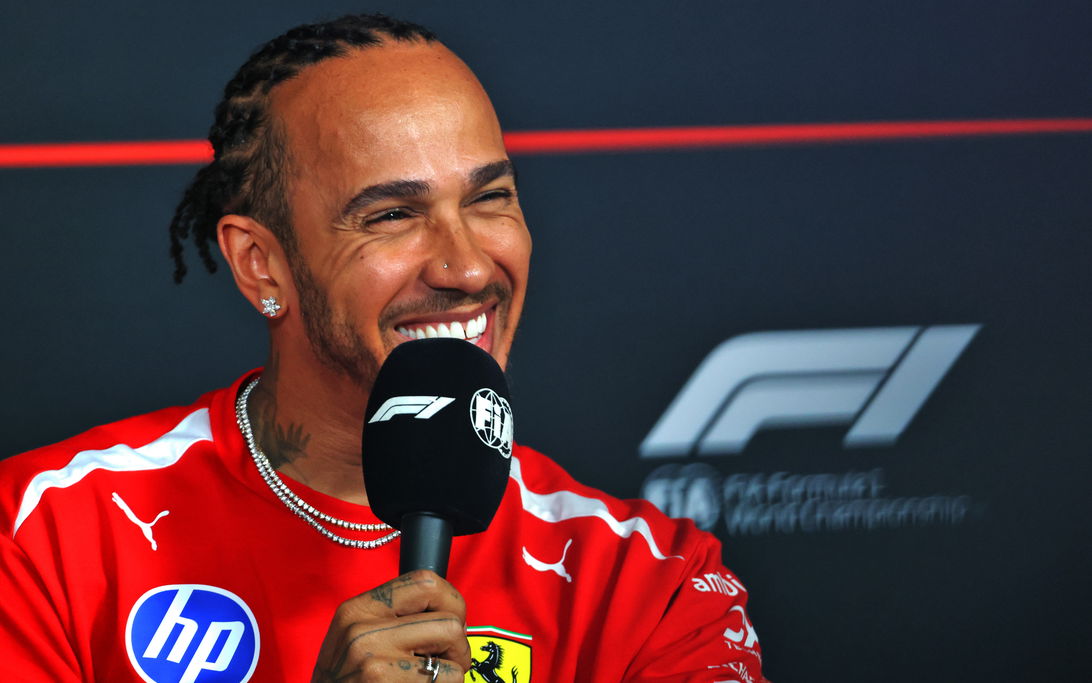
The Schism in the Cockpit: Hamilton's Calculated Joy and the Fear Behind the Visor
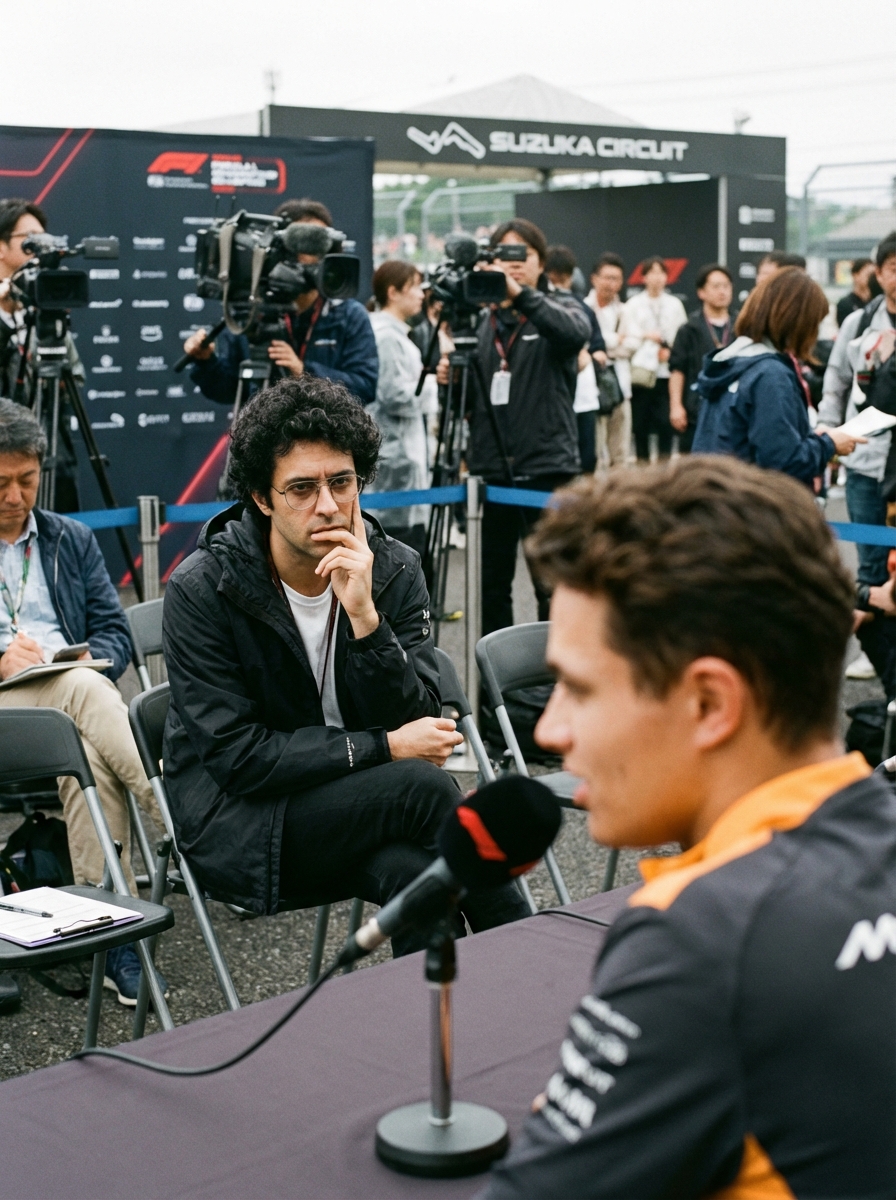
Lewis Hamilton stands alone in praising F1's new 2026 cars after the Australian GP, calling them "really fun," while rivals like Max Verstappen and Lando Norris criticize the "chaos" and safety concerns of the new regulations, highlighting a major split in driver opinion.
The raw data from Melbourne is one story: a fourth-place finish for Lewis Hamilton, a Ferrari 1-2, a symphony of telemetry. But the human data tells a far more compelling, fractured tale. In the post-race glow, while his peers spoke in the language of fear and chaos, Hamilton offered a serene, almost disconcerting, smile. He called the new 2026 machines "really, really fun to drive." This isn't just a difference of opinion. This is a chasm, a psychological fault line revealing how drivers process trauma, craft their public selves, and ultimately, how they survive. One man’s "fun" is another’s premonition of disaster, and in that dissonance lies the true narrative of this new era.
The Architecture of a Public Persona: Hamilton's Strategic Positivity
After crossing the line in P4, Hamilton didn't just analyze his race. He performed it. His praise for the car, his enjoyment in watching the lead battle between George Russell and Charles Leclerc, was a masterclass in narrative control. He is not merely driving a Ferrari; he is driving a story of resurgence, of joy rediscovered.
"I personally loved it... It was fun. I was just really happy to be in the battle."
This statement is a fortress. It deflects the ambient panic. When asked about the stark criticism from others, he declined to speculate, a tactical retreat into his own experience. He knows the power of a unified front, and he knows the greater power of standing alone, apart from the herd. This is not the raw, unfiltered emotion of a driver in the moment. This is the polished result of a career spent understanding that perception is a component of performance as critical as downforce.
We must view this through the lens of his idols. Like Niki Lauda after Nürburgring, Hamilton understands that overcoming public trauma—be it a fiery crash or years of competitive obscurity—requires the careful construction of a new persona. Lauda’s resilience became his legend, overshadowing the sheer talent. Hamilton’s current, unwavering positivity is his armor. It shields his own doubts and applies subtle pressure on those who cannot, or will not, adopt the same stance. From a competitive midfield position, the "fun" is genuine—the battle is tangible. But the statement’s purpose is dual: to solidify his own mental state and to cast a questioning light on the mindset of his rivals.
The Psychology of Fear: Verstappen, Norris, and the Specter of Chaos
Contrast Hamilton’s citadel of calm with the visceral warnings from the front. Max Verstappen’s condemnation of the racing as "chaos" and Lando Norris’s "frightening" prediction that drivers are waiting for "something to go quite horribly wrong" are not just complaints. They are biometric readouts. They are pulses spiking on a heart-rate trace, a clammy grip on a steering wheel, a subconscious calculation of risk that no engineer’s algorithm can fully decode.
This is where driver psychology trumps aerodynamics. In the wet, or in this new regulatory "chaos," the car is a given. The variable is the mind. The decision to commit, to overtake, to defend, is filtered through a personality’s core traits: aggression, patience, risk tolerance, fear. Verstappen’s outburst is particularly fascinating. For years, Red Bull’s covert psychological scaffolding has worked to suppress these exact emotional eruptions, manufacturing a champion of icy efficiency. The 2026 cars, it seems, are applying a stress test so severe it is cracking that manufactured veneer, revealing the raw, unsettled competitor beneath. The system is failing because the stimulus is too novel, too unpredictable.
Norris’s critique cuts deeper, into the soul of a driver’s purpose. He called the overtakes "artificial," dictated by power unit modes. This isn't just a technical gripe; it's an existential one. It attacks the authenticity of the contest. When a driver feels like a passenger in their own battle, their agency—the very source of their skill and identity—is undermined. The fear they express is not merely of physical harm, but of professional irrelevance.
The Great Divider: Competitive Reality vs. Universal Truth
The schism maps almost perfectly to competitive reality:
- Hamilton (P4, Ferrari): In direct, wheel-to-wheel combat for a podium. The new rules enabled his fight. The "product" worked for him.
- Verstappen & Norris (Off-Pace): Struggling in traffic, dealing with unpredictable aerodynamic wake and energy recovery. The "product" is flawed, dangerous.
Hamilton’s suggestion that the view "may have seemed different" further back is the most psychologically astute observation of the weekend. It frames the criticism not as objective truth, but as a symptom of poor performance. It reframes fear as frustration.
Conclusion: The Inevitable Unveiling
This is the prelude. The Australian GP has given us our first real psychological telemetry of the 2026 field. We see the calm strategist, the rattled champions, and the fearful purists. The FIA and GPDA will debate safety and regulations, but the more profound shift is already underway.
Within five years, this sport will mandate mental health disclosures after major incidents. Melbourne 2026 is a case study in why. The pressure to perform, the clash of lived experience, the sheer cognitive load of these cars—it will become too great to ignore. We will have charts of cortisol levels alongside sector times. Hamilton’s curated positivity and Verstappen’s raw chaos will be data points in a clinical report.
For now, we watch. We watch to see if Hamilton’s stance holds as Ferrari’s title hopes solidify, or if a moment of true terror—a near-miss, a massive shunt—unites the grid in a shared, human fear. We watch to see whose psychology bends, and whose breaks. The cars are new, but the oldest contest remains: the battle within the mind, under the helmet, where every driver is truly, terrifyingly, alone.