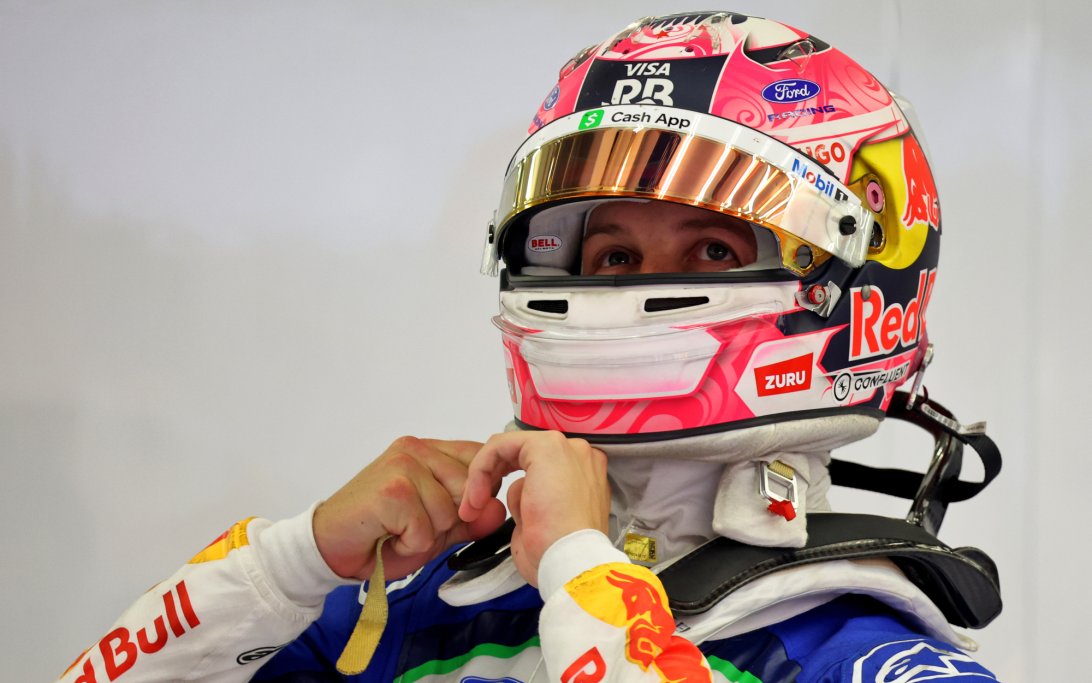
Liam Lawson Deletes Social Media After Facing 'Toxic' Online Abuse
Racing Bulls driver Liam Lawson has deleted social media from his personal devices after facing severe online abuse during his 2024 substitute drives for Daniel Ricciardo and Sergio Perez. He describes the platforms as 'toxic' and notes a significant improvement in his well-being since stepping away, highlighting a widespread issue of harassment faced by F1 drivers.
Racing Bulls driver Liam Lawson has revealed he removed social media apps from his personal devices after receiving significant online abuse, describing the platforms as a "toxic place." The New Zealander, who stepped in for Daniel Ricciardo and later Sergio Perez during the 2024 season, faced a barrage of hateful comments during and after his substitute appearances, leading him to prioritize his mental well-being by disconnecting.
Why it matters:
Online abuse targeting F1 drivers has become a pervasive issue, with young talents like Lawson and Kimi Antonelli facing intense negativity that can impact mental health and performance. Lawson's decision to step back highlights a growing need within the sport to address the culture of anonymous online harassment and protect its competitors from its harmful effects.
The details:
- Lawson faced two major waves of abuse: first when he replaced the popular Daniel Ricciardo at Racing Bulls, and again after filling in for Sergio Perez at Red Bull for two races.
- The negative comments continued even after he returned to his Racing Bulls seat, prompting his decision to delete the apps from his phone.
- He still maintains an Instagram account for fan engagement and to stay connected with friends and family, but he has been absent from platform X for nearly a year.
- On the Gypsy Tales podcast, Lawson stated, "It's so much better. So, so much better. It can be such a toxic place."
- He expressed sympathy for younger generations, noting that social media has made bullying inescapable, even outside of school.
Between the lines:
Lawson's experience is not isolated. Rookie Kimi Antonelli also received an "extraordinary amount" of abuse after a mistake in Qatar potentially affected the championship battle. Lawson believes "99%" of those posting hateful comments online lack the courage to say such things in person, criticizing the ease with which people spread negativity about drivers and teams they dislike. His action reflects a personal coping mechanism in an environment where direct, official support systems against online abuse are still evolving.
What's next:
While drivers like Lawson are taking individual steps to shield themselves, the sport faces a broader challenge in curbing online toxicity. As social media remains a vital tool for fan engagement and driver promotion, finding a balance between accessibility and protection will be crucial. Lawson's improved state of mind since disconnecting serves as a potent reminder of the very real human cost behind anonymous online comments.