Max Verstappen's Controversial 2026 F1 Battery Charging Technique
Max Verstappen is employing a controversial downshift technique to charge his F1 car's battery, a method yielding performance gains but questioned by rivals over reliability costs. As energy management becomes the key 2026 differentiator, teams are split on the optimal strategy, setting up a critical technical divergence for the start of the season.
Max Verstappen is using a unique and deliberate downshift technique to charge his car's battery, a method proving effective but controversial among rival teams. While Red Bull and Audi employ this aggressive energy recovery strategy, competitors like Mercedes and Ferrari favor more traditional lift-and-coast methods, citing concerns over increased mechanical wear and inconsistent track-to-track benefits.
Why it matters:
The debate highlights a fundamental split in 2026's new technical philosophy, where energy management has temporarily surpassed aerodynamics as the primary performance differentiator. The approach a team chooses could define their early-season competitiveness, making this a critical strategic battleground as engineers explore the largely uncharted territory of the new power units.
The details:
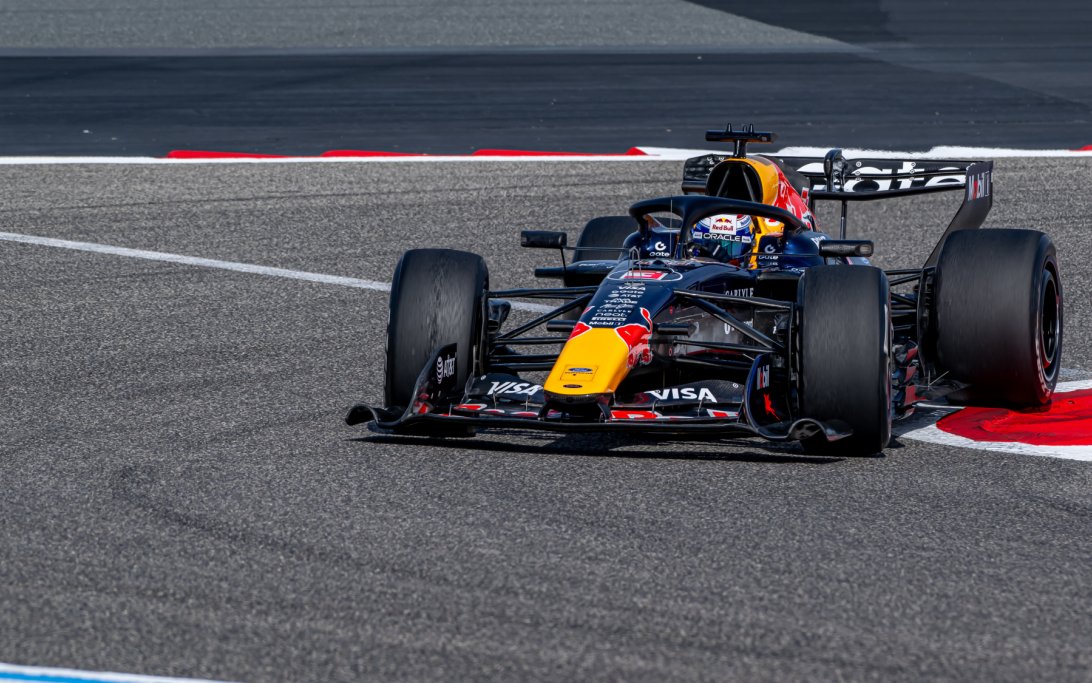
- During Bahrain testing, Verstappen was heard executing unusual downshifts in corners where they wouldn't normally occur, specifically to harvest more energy for the battery.
- This method provides a potent energy boost for deployment on straights, giving a clear lap-time advantage.
- Key drawbacks include significantly increased gearbox wear over a race distance and potential for higher tire degradation.
- Rivals Mercedes and Ferrari are avoiding the technique. Lewis Hamilton has previously criticized the required lift-and-coast method as "unnatural," but their calculus suggests Red Bull's alternative comes with its own costly trade-offs.
- The technique's effectiveness is also circuit-dependent; what works in Bahrain may not be beneficial at other tracks on the calendar.
What's next:
Engineers predict a convergence of techniques rather than one dominant strategy emerging. The opening races will see teams evaluating the cost-benefit balance of battery recharge methods in real conditions. With energy harvesting offering a larger window for performance gains than established aerodynamic development, this area remains the focal point for early-season innovation and could shuffle the competitive order until a consensus on the optimal approach is found.
Don't miss the next lap
Get the deep dives and technical analysis from the world of F1 delivered to your inbox twice a week.
Zero spam. Only high-octane analysis. Unsubscribe anytime.
Join the inner circle
Get the deep dives and technical analysis from the world of F1 delivered to your inbox twice a week.
Zero spam. Only high-octane analysis. Unsubscribe anytime.
Continue Reading
View More News