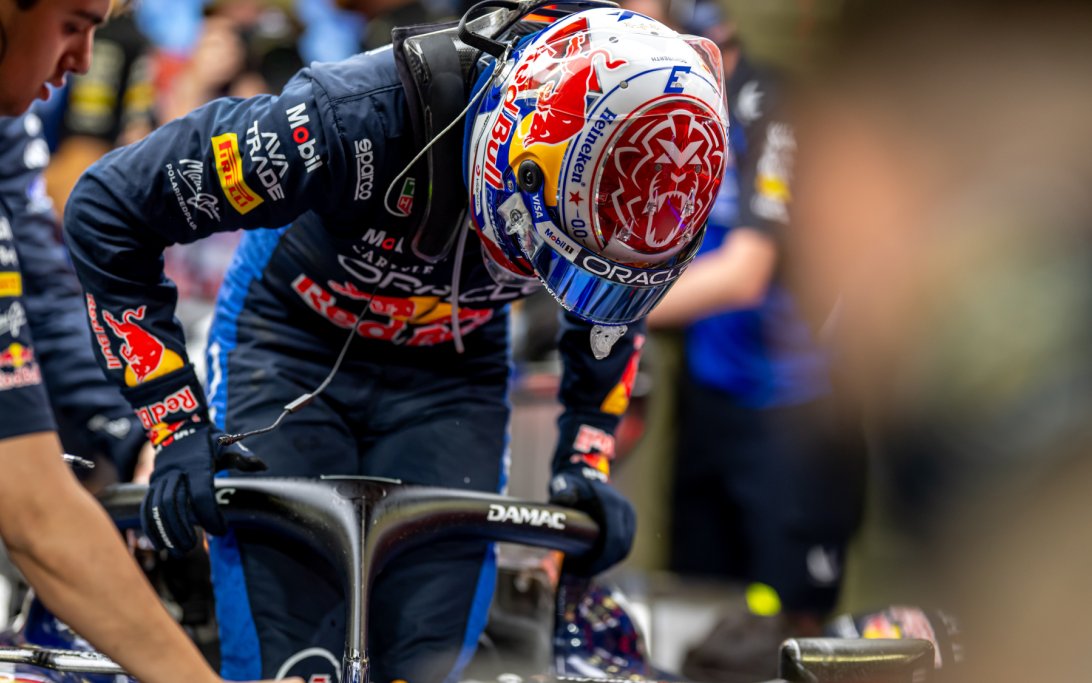
Max Verstappen's Formula E critique could backfire as the electric series accelerates
Max Verstappen's plea to keep Formula 1 distinct from Formula E may be challenged by the electric series' rapid advancement. As Formula E prepares to launch a dramatically faster Gen4 car and plans a Gen5 model that could rival F1's speed, the debate over which championship represents the true pinnacle of motorsport is set to intensify.
Max Verstappen has bluntly criticized Formula 1's move towards electrification, calling the 2026 power unit rules "like Formula E on steroids" and pleading for the series to remain distinct. His comments highlight a growing tension as Formula E prepares to launch its significantly faster Gen4 car, a development that could narrow the performance gap and challenge F1's status as the pinnacle of motorsport.
Why it matters:
Verstappen's vocal stance represents a core philosophical debate about the identity and future of top-level racing. As Formula E's technology rapidly advances, his desire to keep the series completely separate could be undermined if the electric championship's cars become comparable in speed, potentially forcing a re-evaluation of what defines the "pinnacle" of the sport.
The details:
- Verstappen's criticism emerged during pre-season testing, where he labeled the 2026 F1 power unit regulations as "anti-racing" and argued for F1 to stick with internal combustion engines powered by sustainable fuel.
- Formula E CEO Jeff Dodds responded logically, agreeing that drivers seeking electric racing should join Formula E, but intriguingly suggested the upcoming Gen4 car's performance might appeal to Verstappen's tastes.
- Gen4 Performance Leap: The next-generation Formula E car, set for a competitive debut at the end of this year, is a game-changer. It is expected to slash 8-10 seconds per lap from the current Gen3 Evo, placing its pace squarely between Formula 1 and Formula 2.
- Verstappen's Awareness: Despite his criticism, Verstappen is well-informed about Formula E's progress through friends in the paddock and has acknowledged the Gen4 will be a "really cool car." His core argument remains one of separation: "let them be Formula E, and we should stay Formula 1."
What's next:
The technological trajectory suggests Verstappen's wish for clear separation may become increasingly difficult. The Gen4 car is the first major step, and the planned Gen5 car—potentially arriving around 2030—is already being discussed as a machine that could match or even surpass current F1 lap times, especially if paired with slick tires. As battery technology improves, Formula E's upward performance curve is clear. If it achieves its speed goals, the series could actively challenge F1's premier status, forcing drivers, fans, and the industry to confront what they truly value in motorsport's hierarchy.
Don't miss the next lap
Get the deep dives and technical analysis from the world of F1 delivered to your inbox twice a week.
Zero spam. Only high-octane analysis. Unsubscribe anytime.
Join the inner circle
Get the deep dives and technical analysis from the world of F1 delivered to your inbox twice a week.
Zero spam. Only high-octane analysis. Unsubscribe anytime.