Max Verstappen's Mastery Highlights F1's New Downshifting Era
New F1 regulations have turned strategic downshifting into a crucial skill for energy recovery, with Max Verstappen and Red Bull leading the way. This technique, which can gain nearly a second per lap, is reshaping driving styles and sparking debate about the sport's focus on energy management versus pure racing skill.
The 2026 F1 power unit regulations are fundamentally altering how drivers race, with strategic downshifting for energy recovery becoming a critical new skill. Max Verstappen and Red Bull have emerged as early masters of this technique, reportedly gaining nearly a second per lap on straights through superior electrical deployment, while other teams like Ferrari and Mercedes pursue different, more conservative paths.
Why it matters:
This shift represents more than a technical tweak; it's a philosophical change in what defines driving skill in Formula 1. The sport is moving from a pure focus on extracting maximum mechanical performance to a complex dance of harvesting and deploying electrical energy, pushing drivers to act as hybrid system managers. This evolution blurs the line between F1 and Formula E, raising questions about the series' core competitive identity.
The details:
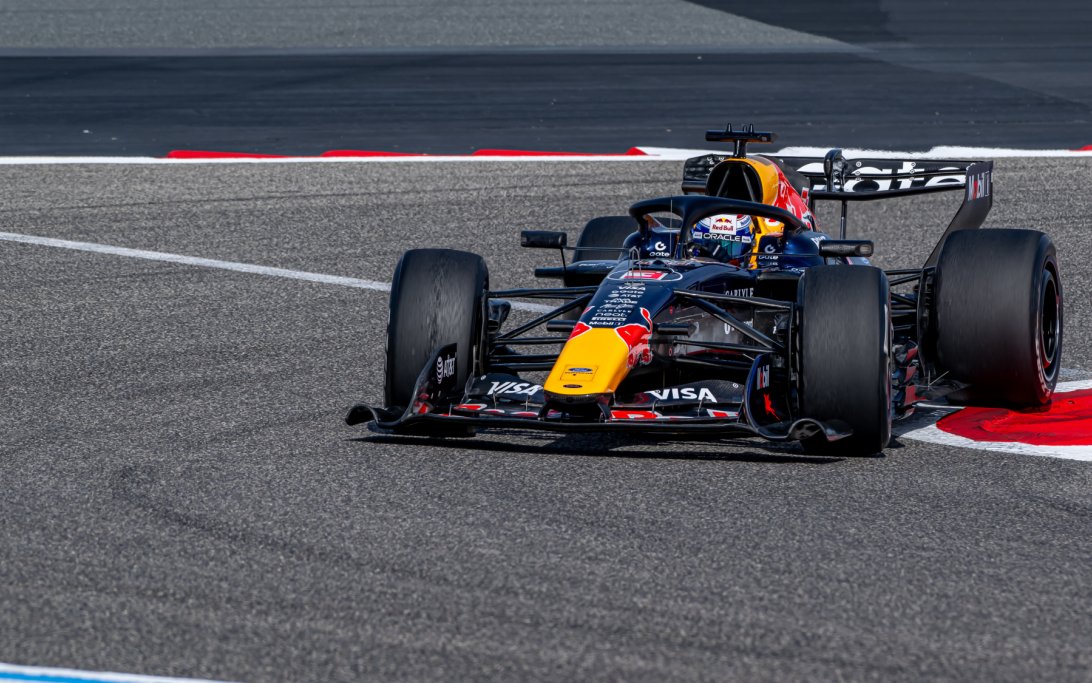
- Red Bull's Aggressive Approach: Red Bull, with Verstappen at the wheel, has perfected an aggressive downshifting technique. Drivers downshift at points on the circuit previously used for braking alone, using the engine's compression to generate more electrical energy for the MGU-K.
- The Performance Payoff: Rivals estimate this method gives Red Bull up to a full second of additional full-power electric deployment on straights, a massive advantage in modern F1.
- The Reliability Trade-off: This technique comes with significant costs, including accelerated gearbox wear and potential tire degradation from drivetrain imbalances during rapid downshifts.
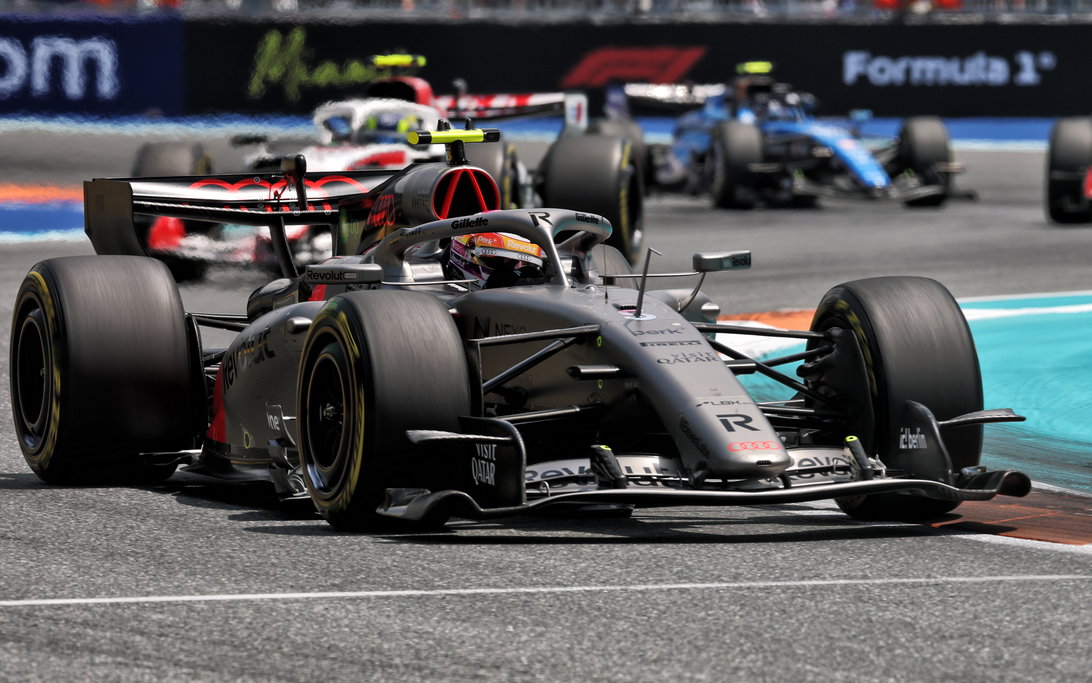
- Ferrari's Alternative Path: Instead of aggressive downshifts, Ferrari focuses on precise engine braking calibration to recover energy, achieving similar gains with fewer mechanical side effects.
- Mercedes' Hesitation: Mercedes' high-compression engine design is particularly susceptible to knocking from sudden RPM spikes during aggressive downshifts, creating reliability concerns with valves and pistons. This has made the team reluctant to adopt the method.
Between the lines:
The driver reactions reveal a deeper tension. Verstappen has expressed concern that the focus on energy management feels like an "economy run," moving F1 too close to Formula E's ethos. Lewis Hamilton noted the extreme complexity of the new systems, which conflicts with the traditional principle of simply driving the car as fast as possible. The debate centers on whether the pinnacle of motorsport should prioritize raw driver skill or sophisticated energy management.
What's next:
The current landscape is likely an early-phase experiment, not the final word. Power unit and energy recovery concepts are still in their infancy, with ample room for evolution. As the season progresses, teams will either converge on the most effective method or diversify their approaches based on their car's architecture. The true test will come in race conditions, revealing which philosophy—Red Bull's aggressive harvesting or Ferrari's calibrated efficiency—wins out, and ultimately, how permanently this changes the skillset required to become a Formula 1 world champion.
Don't miss the next lap
Get the deep dives and technical analysis from the world of F1 delivered to your inbox twice a week.
Zero spam. Only high-octane analysis. Unsubscribe anytime.
Join the inner circle
Get the deep dives and technical analysis from the world of F1 delivered to your inbox twice a week.
Zero spam. Only high-octane analysis. Unsubscribe anytime.
Continue Reading
View More News