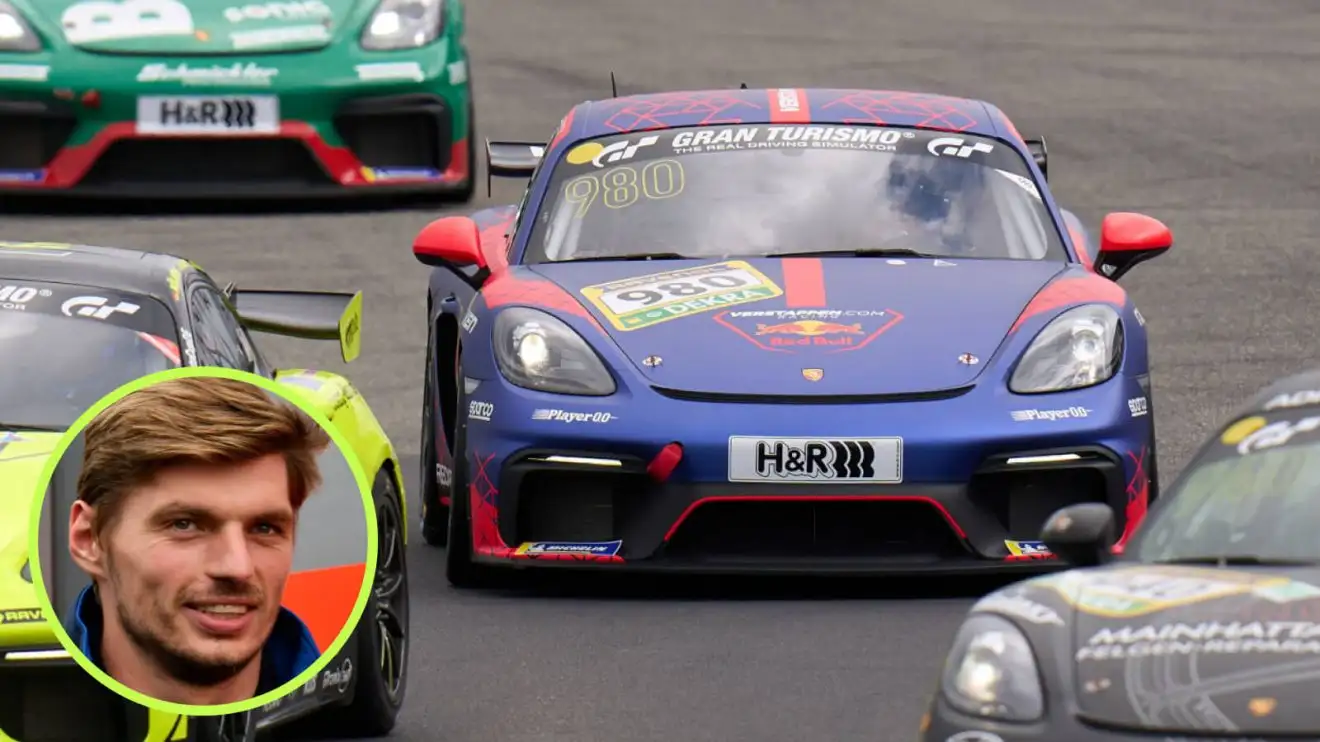
Max Verstappen's Nordschleife Success Sparks Major Sim Racing License Change
Max Verstappen's dominant performance in his Nordschleife debut race has prompted Germany's motorsport federation, the DMSB, to integrate sim racing into its official licensing criteria. This landmark decision now recognizes virtual racing credentials, offering a new pathway for drivers to obtain permits for iconic events like the Nurburgring 24 Hours, effectively bridging the gap between the digital and real racing worlds.
Max Verstappen's impressive debut CUP3 race at the Nordschleife has triggered a significant shift in how Germany's motorsport federation, the DMSB, evaluates its Nordschleife permit criteria, now formally recognizing sim racing credentials.
Why it matters:
- This change marks a pivotal moment in motorsport, bridging the gap between virtual and real-world racing and acknowledging the high level of skill and preparation developed through sim racing, especially on demanding tracks like the Nordschleife.
- For aspiring racers, particularly those without extensive real-world track time, this new pathway offers a more accessible route to obtaining a crucial license for major endurance events.
The Details:
- Verstappen completed the requirements for a DMSB Permit Nordschleife in September, including a written exam and a driving test for Permit B under instructor Andreas Gülden.
- In his debut NLS7 race, Verstappen qualified seventh in the Cup3 class and was 25 seconds faster than the next identical CUP3(G) car within his subsection.
- He and teammate Chris Lulham finished seventh overall, with Verstappen completing 14 laps of the 'Green Hell' to secure his Permit A, enabling him to compete in next year's Nurburgring 24 Hours.
- New Permit B Criteria: The DMSB has revised its Permit B regulations to include sim racing credentials. Previously, drivers needed to complete the standard DPN B course or two RCN races (one solo or two with a driver change).
- The updated criteria now offer a third option: completing one RCN race with a driver change, combined with three penalty-free DNLS (Digital Nürburgring Langstrecken-Serie) winter rounds.
- Verstappen's Influence: VLN sporting director Christian Vormann highlighted how Verstappen's participation demonstrated the crucial role of virtual preparation, especially on the Nordschleife, citing his 'countless laps on iRacing' as key to his immediate comfort.
The Big Picture:
This regulatory update reflects a growing recognition within motorsport that high-fidelity simulation platforms can effectively prepare drivers for real-world challenges. The Digital Nürburgring Langstrecken-Serie (DNLS), launched in 2020, has been instrumental in showcasing the accuracy and competitive nature of sim racing. This move by the DMSB, supported by organizations like Porsche (through PEETN) and real-world NLS officials, reinforces the unique link between digital and physical motorsport, solidifying sim racing's position beyond mere entertainment.
What's next:
This progressive change is expected to pave the way for more sim racers to transition into real-world endurance racing, potentially diversifying the talent pool in events like the Nurburgring 24 Hours. Verstappen himself has expressed a desire for more experience before contesting the 24 Hours, indicating he might participate in more NLS races next year. The success of this new licensing pathway could also inspire other motorsport federations globally to re-evaluate their own credentialing processes.